Oil Prices Rise as U.S.-Iran Tensions Continue Around Strait of Hormuz
Oil markets moved higher Monday as investors reacted to renewed tensions involving the United States and Iran and ongoing concerns about shipping security near the Strait of Hormuz.
Save Article
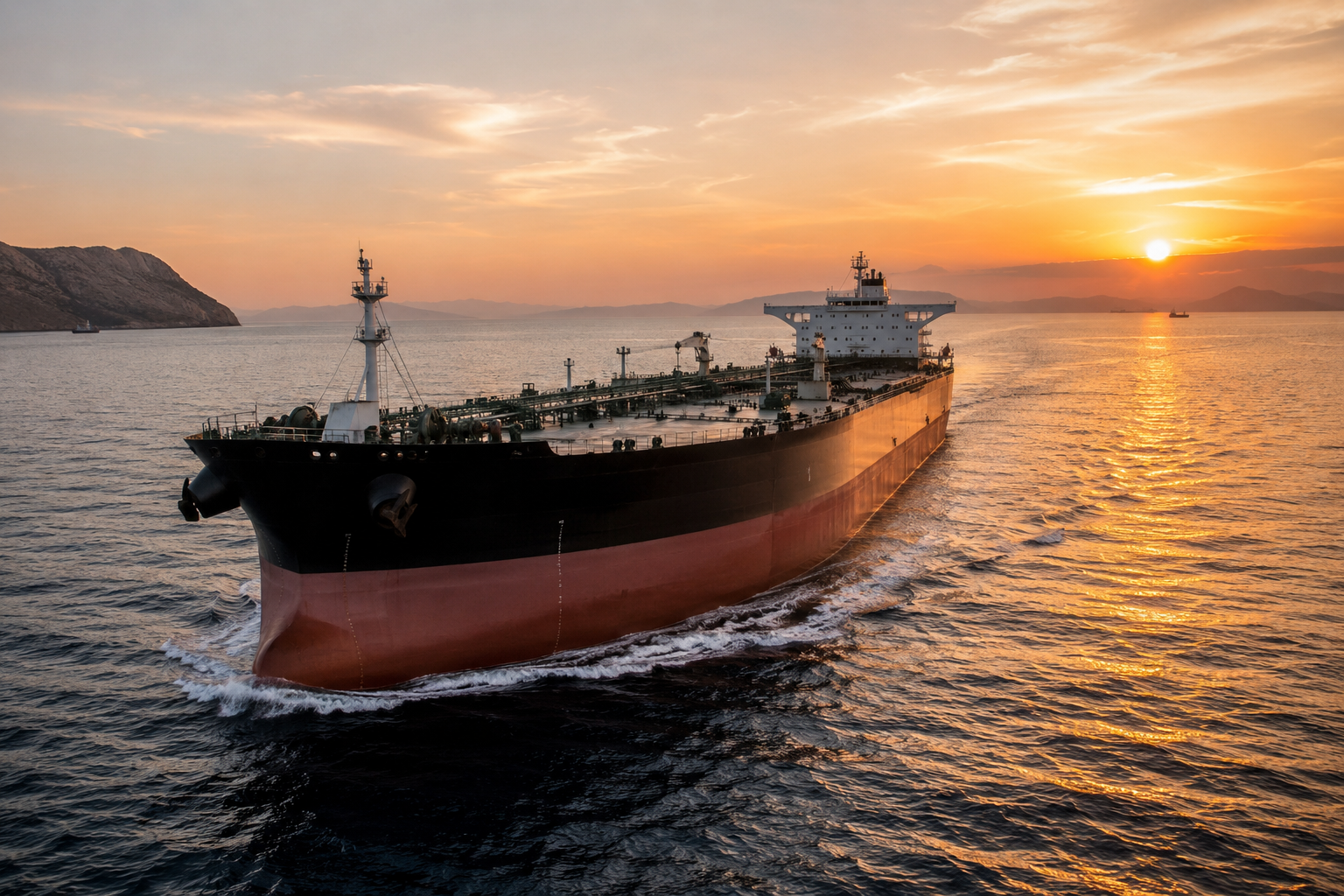
Oil markets moved higher Monday as investors reacted to renewed tensions involving the United States and Iran and ongoing concerns about shipping security near the Strait of Hormuz. Editorial illustration by TheDailyGlobe.
Key Facts
- Oil prices rose Monday following renewed U.S.-Iran tensions.
- The United States and Iran exchanged competing proposals tied to ongoing disputes.
- Shipping concerns around the Strait of Hormuz remain active.
- Markets reacted to uncertainty about potential energy supply disruptions.
- The Strait of Hormuz remains one of the world's most important oil shipping routes.
Oil prices moved higher Monday as investors reacted to renewed tension between the United States and Iran and continuing uncertainty around shipping routes near the Strait of Hormuz, one of the world's most important energy corridors.
Markets responded after the two countries exchanged competing proposals tied to ongoing diplomatic disputes, while traders and shipping companies continued watching for any signs that regional tensions could affect commercial traffic through the narrow waterway connecting the Persian Gulf to global markets.
The rise in oil prices reflected broader concerns about supply disruptions rather than confirmation of any immediate interruption to shipping. Analysts and investors have closely monitored developments around the Strait of Hormuz for years because a significant share of the world's oil exports passes through the area each day.
Although no major escalation was confirmed Monday, the renewed uncertainty was enough to push energy markets upward and add another layer of pressure to a global economy already dealing with inflation concerns and uneven growth.
Why Markets Watch the Strait of Hormuz
The Strait of Hormuz sits between Iran and Oman and serves as a critical route for oil exports from several Middle Eastern producers. Energy shipments moving through the passage help supply markets across Asia, Europe, and other parts of the world.
Because so much global oil trade moves through the strait, even the possibility of instability can quickly influence prices. Traders often react not only to confirmed disruptions but also to signs that political or military tensions could increase risks for tankers or insurers operating in the region.
Shipping companies and energy markets tend to become more cautious during periods of heightened uncertainty involving Iran, especially when diplomatic talks stall or when competing political demands emerge between Tehran and Washington.
That caution can affect transportation costs, insurance rates, and market expectations about future energy supplies. Even temporary fears about delays or restrictions can ripple through global fuel markets within hours.
Economic Effects Reach Beyond Oil Traders
Oil price increases can eventually affect consumers through higher gasoline and transportation costs, though changes at the pump do not happen immediately. Businesses that rely heavily on fuel, shipping, or manufacturing also closely monitor energy prices because sudden increases can raise operating expenses.
Financial markets often treat oil prices as a signal about broader geopolitical risk. When tensions rise in major energy-producing regions, investors sometimes move money into assets considered safer while becoming more cautious about industries vulnerable to rising fuel costs.
Analysts have warned in recent years that energy markets remain especially sensitive to geopolitical events because global supply systems are still recovering from earlier disruptions tied to wars, sanctions, inflation pressures, and shifting production strategies among major oil-producing countries.
Monday's market reaction reflected those broader concerns. Traders appeared focused less on immediate military action and more on the possibility that continued diplomatic friction could create longer-term instability around energy exports.
Diplomatic Uncertainty Continues
Public reporting Monday described the United States and Iran as exchanging competing proposals tied to ongoing disagreements, though there was no indication of a breakthrough. The details of the proposals were still developing, and uncertainty surrounding negotiations contributed to the market response.
Relations between Washington and Tehran have remained strained for years over security concerns, sanctions, regional influence, and nuclear-related disputes. Periods of diplomatic activity are often accompanied by market swings as investors try to assess whether tensions are easing or becoming more severe.
Energy markets generally react quickly to uncertainty because oil supplies are deeply connected to international trade and transportation networks. Traders monitor official statements, military activity, shipping conditions, and diplomatic developments for signs that regional tensions could affect exports.
At this stage, markets appeared to be responding primarily to uncertainty rather than confirmed supply losses. Still, analysts noted that even limited instability near the Strait of Hormuz can influence prices because of the route's importance to the global economy.
What Investors and Consumers Are Watching
Investors are expected to continue watching for any new statements from U.S. or Iranian officials, along with updates involving regional shipping activity or diplomatic negotiations. Markets are also likely to monitor whether other countries in the region respond publicly to the latest developments.
For consumers, the biggest concern is whether higher oil prices continue long enough to affect fuel and transportation costs more broadly. Short-term price spikes sometimes ease quickly if tensions calm, but sustained uncertainty can have wider economic effects.
Economists have repeatedly warned that energy volatility can complicate efforts to control inflation, especially when fuel costs influence shipping, food prices, and manufacturing expenses across multiple industries.
While Monday's market moves did not signal a major supply crisis, they showed how sensitive global energy systems remain to geopolitical developments around the Strait of Hormuz. Investors, governments, and consumers are likely to continue watching the region closely in the days ahead.
If tensions continue without a diplomatic resolution, energy markets could remain volatile even without a direct disruption to oil shipments. That uncertainty alone is often enough to keep traders and global markets on edge.
Reporting note: Reporting draws on Reuters, CBS, Washington Post reporting, market coverage, and reviewed background context related to global energy markets and shipping security. All claims This article was produced with AI-assisted research and reviewed by an editor before publication.