Congress Faces New Deadline in Fight Over FAA Funding and Air Traffic Modernization
Lawmakers are weighing how to fund air traffic control upgrades and address staffing shortages as pressure grows to improve the reliability of the nation's aviation system.
Save Article
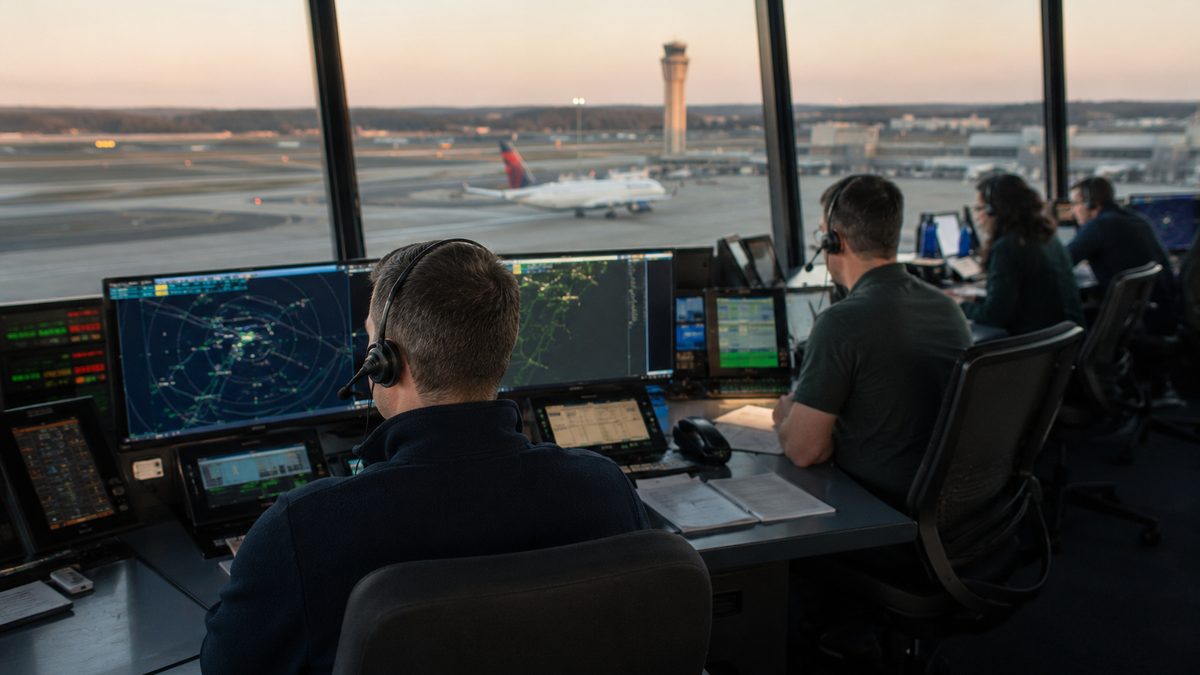
Congress and federal aviation officials continue debating how to fund upgrades and staffing improvements across the national air traffic system. Editorial illustration by TheDailyGlobe.
Key Facts
- Congress is debating future funding priorities tied to FAA operations and air traffic modernization.
- The FAA continues work on long-term technology upgrades across the national air traffic system.
- Staffing shortages remain a concern in parts of the air traffic control workforce.
- Lawmakers from both parties generally support modernization but differ on funding approaches and priorities.
- Questions remain about timelines, costs, and how quickly improvements can be implemented.
Most travelers do not think much about air traffic control until a flight is delayed, rerouted, or canceled. Yet behind every commercial flight is a national system that depends on technology, staffing, and long-term planning. Congress is once again debating how much funding should be directed toward that system and how quickly modernization efforts should move forward.
Why Lawmakers Are Focused on the FAA
The Federal Aviation Administration oversees a system that manages thousands of flights each day across the United States. That responsibility includes maintaining air traffic control operations, supporting safety programs, and upgrading technology that helps keep aircraft moving efficiently.
Congress regularly reviews funding for these responsibilities, but recent discussions have placed additional attention on the long-term condition of the nation's aviation infrastructure. Lawmakers have been examining whether existing funding levels are sufficient to support modernization projects while also addressing workforce needs.
The debate is less about whether upgrades are necessary and more about how quickly they can be completed, how they should be funded, and which projects should receive priority.
The Push to Modernize an Aging System
Many modernization efforts are designed to replace or improve older systems that have been operating for years. FAA planning documents describe ongoing projects aimed at improving communications, navigation capabilities, and the technology used to manage air traffic.
Supporters argue that modernization can improve reliability and efficiency across the aviation network. More modern systems may help controllers manage traffic more effectively while reducing some operational limitations associated with older technology.
For travelers, these upgrades are not always visible. Most passengers will never see the systems being replaced. The practical goal is a network that operates more smoothly behind the scenes and is better equipped to handle future demand.
Why Staffing Has Become Part of the Debate
Technology is only one part of the discussion. Staffing levels within the air traffic control workforce have also become a major topic for lawmakers and aviation officials.
Air traffic controllers perform highly specialized work that requires extensive training. Replacing retiring personnel and expanding staffing levels cannot happen immediately because new controllers must complete a lengthy qualification process before taking on full responsibilities.
As a result, staffing shortages cannot always be solved through short-term funding decisions alone. Even when additional hiring is approved, it can take years before new recruits move through training and become fully operational members of the workforce.
Supporters of increased staffing argue that a larger workforce can provide greater scheduling flexibility, reduce strain on existing personnel, and help improve system resilience during periods of heavy travel demand.
What Remains Unresolved
While broad support exists for maintaining a safe and reliable aviation system, several questions remain unsettled. Congress continues to debate funding priorities, spending levels, and how resources should be distributed among competing transportation and infrastructure needs.
It is also unclear how quickly modernization projects will produce noticeable operational improvements. Large government technology programs often unfold over many years, making progress difficult for the public to measure in the short term.
Officials have not fully resolved questions surrounding long-term workforce planning, future staffing targets, or the pace at which training pipelines can meet future demand.
What Travelers Should Watch Next
For most Americans, the debate ultimately comes down to reliability. Travelers care less about budget line items than whether flights operate safely and on schedule.
The next major developments will likely come through congressional funding decisions, FAA implementation updates, and future reports on controller staffing levels. Those actions will provide a clearer picture of how quickly modernization efforts are advancing and whether workforce shortages are improving.
The national air traffic system is rarely front-page news when it works well. The current debate reflects a broader question facing policymakers: how much investment is needed today to keep a critical piece of public infrastructure reliable for years to come.
Reporting note: Reporting draws on congressional materials, FAA documentation, national reporting, and reviewed background materials. This article was produced with AI-assisted research and reviewed by an editor before publication.