Supreme Court Takes Up Dispute Over How Long Some Immigrants Can Be Held
The Supreme Court agreed to hear a case that could determine when some immigrants are entitled to bond hearings while challenging deportation orders.
Save Article

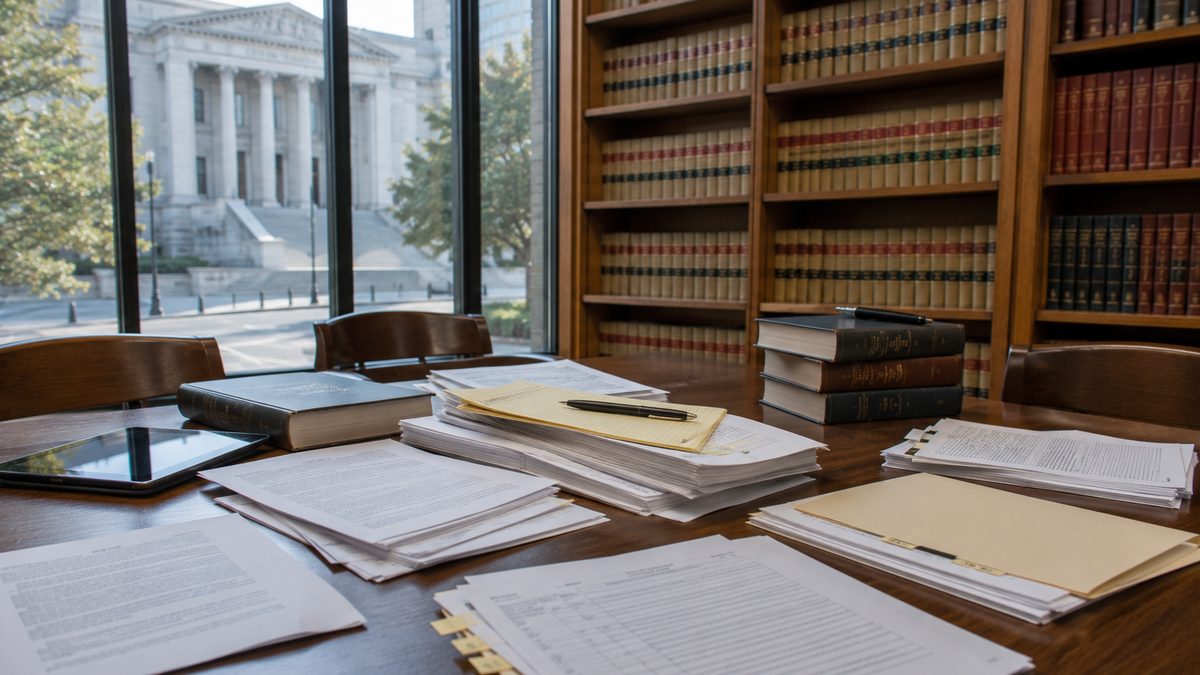
The Supreme Court’s immigration docket can shape how federal detention powers are used while cases are still pending. Editorial illustration by TheDailyGlobe.
Key Facts
- The Supreme Court agreed to review a case involving immigration detention during deportation proceedings.
- The dispute concerns whether certain immigrants may be held without bond hearings while legal challenges continue.
- Lower courts have disagreed on parts of the government's interpretation of immigration detention law.
- The Court has not ruled on the merits of the case.
- A future decision could clarify detention authority and bond-hearing requirements nationwide.
When an immigration case stretches on for months or longer, one question can become just as important as the outcome itself: can a person remain detained the entire time while the legal process continues?
That question moved closer to an answer Monday when the U.S. Supreme Court agreed to hear a case involving the detention of certain immigrants during deportation proceedings. The case centers on whether federal law allows some noncitizens to remain in detention without receiving a bond hearing while their legal challenges continue.
The Court did not decide the issue. It agreed only to review the dispute. But because lower courts have reached different conclusions on parts of the question, the eventual ruling could affect immigration enforcement practices nationwide.
What the Court Agreed to Review
The case focuses on a legal question rather than a specific deportation dispute. Federal officials argue that immigration law permits detention in certain covered cases while removal proceedings and related legal challenges move through the system.
Opponents of that position argue that lengthy detention without an opportunity to seek release through a bond hearing raises due-process concerns. They contend that people should have a chance to argue for release before an immigration judge when detention becomes prolonged.
Because immigration proceedings can sometimes take months or even years to resolve, the disagreement is not merely procedural. It involves the balance between the government's authority to enforce immigration laws and an individual's liberty interests while a case remains unresolved.
Why the Case Matters Beyond the Courtroom
For many readers, immigration law can feel distant until a case touches on a broader principle. This dispute raises a question that extends beyond immigration policy: how long can the government hold someone while legal proceedings are still underway?
The answer could affect detained immigrants, their families, immigration courts, federal agencies, and attorneys who handle removal cases. It could also influence how judges and officials approach detention decisions during future proceedings.
The case arrives during a period of continued national debate over immigration enforcement, border policy, and the rights afforded to people facing removal from the United States. The Supreme Court's eventual ruling will not resolve every disagreement in that debate, but it could clarify one important legal standard.
What the Justices Did Not Decide
Monday's action should not be mistaken for a final ruling. The Court did not determine whether the government's legal position is correct, nor did it decide that bond hearings must be provided in all situations.
Instead, the justices agreed to hear arguments and review the legal questions presented by the case. That process will include written briefs and, eventually, oral arguments before a final decision is issued.
The Court's order also does not establish how broadly any future ruling may apply. Available reporting indicates that the scope of the eventual decision remains one of the central uncertainties surrounding the case.
Questions Still Awaiting Answers
Several important questions remain unresolved. It is not yet clear how broadly the Court may interpret the detention provisions at issue or which groups of immigrants could ultimately be affected by the ruling.
Reporting reviewed by TheDailyGlobe also indicates uncertainty about how the decision could affect lawful permanent residents and other immigrants who have prior criminal records and become involved in removal proceedings. Those details will likely receive closer examination as the case moves forward.
The Court's final opinion could be narrow and focused on specific legal provisions, or it could provide broader guidance on detention authority and bond-hearing rights. At this stage, the justices have not indicated which direction they may take.
What Readers Should Watch Next
The next major developments will come as attorneys file briefs explaining their positions and the Court schedules oral arguments. Those filings should provide a clearer picture of the legal questions the justices intend to address.
For now, the key takeaway is straightforward: the Supreme Court has agreed to hear a case involving immigration detention and bond hearings, but it has not yet decided who is right. The eventual ruling could help define how federal detention authority and due-process protections interact when deportation cases remain unresolved.
Reporting note: Reporting draws on Supreme Court records, court filings, national legal reporting, Associated Press reporting, and reviewed background materials. This article was produced with AI-assisted research and reviewed by an editor before publication.