NOAA Hurricane Outlook Starts the Preparedness Clock for Coastal Families
NOAA expects a below-normal Atlantic hurricane season, but forecasters warn that even one landfalling storm can put families and communities at risk.
Save Article
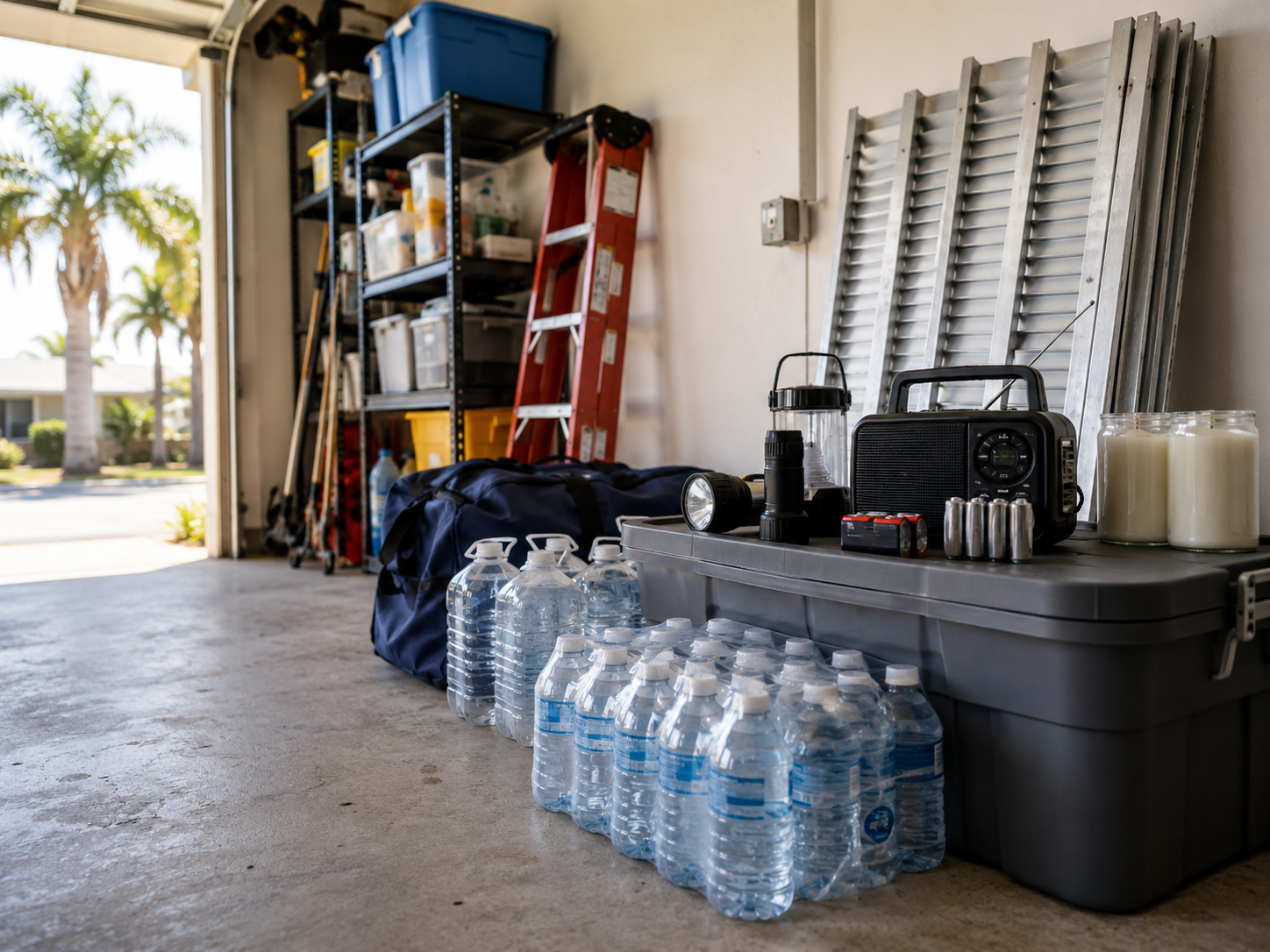
NOAA’s hurricane outlook gives coastal families an early reminder to prepare before storms form. Editorial illustration by TheDailyGlobe.
Key Facts
- NOAA predicted a below-normal 2026 Atlantic hurricane season.
- NOAA forecast 8 to 14 named storms, 3 to 6 hurricanes, and 1 to 3 major hurricanes.
- The Atlantic hurricane season runs from June 1 to November 30.
- NOAA said its outlook included a 70% probability range.
- Forecasters and emergency officials emphasized that even one landfalling storm can be dangerous.
NOAA is forecasting a below-normal 2026 Atlantic hurricane season, but that does not mean coastal families can ignore the calendar.
NOAA predicted 8 to 14 named storms, 3 to 6 hurricanes, and 1 to 3 major hurricanes for the season, which runs from June 1 through November 30. The agency said the forecast is a 70% probability range.
For families along the Gulf Coast, Atlantic Coast and inland flood-prone areas, the practical point is simple: a quieter forecast can still produce a dangerous storm. Preparedness starts before a storm has a name, a track or a cone on a weather map.
Below Normal Does Not Mean No Risk
A seasonal outlook describes the basin as a whole. It does not tell one family, one town or one county whether a storm will come close to home.
That is why a below-normal forecast can be easy to misread. A season can produce fewer storms than average and still bring one damaging landfall. For the people in that storm’s path, the season does not feel quiet.
Forecasters and emergency officials emphasized that even one landfalling storm can be dangerous. That warning is the part of the outlook most useful for households. The number of storms matters, but location matters more once a storm forms.
What Families Can Take From the Forecast
The forecast gives families time. That may be its most practical value.
Before storms form, families can think through the basics: where they would go if told to evacuate, how they would handle power outages, whether they have supplies, how they would keep phones charged, what medications or documents they would need, and how older relatives, children or pets would be cared for.
This article is not emergency advice. Residents should follow official guidance from local emergency managers, the National Weather Service and other public agencies. The broader point is that preparedness is easier before a storm is approaching and stores, roads and fuel stations are under pressure.
Inland Flooding Belongs in the Conversation
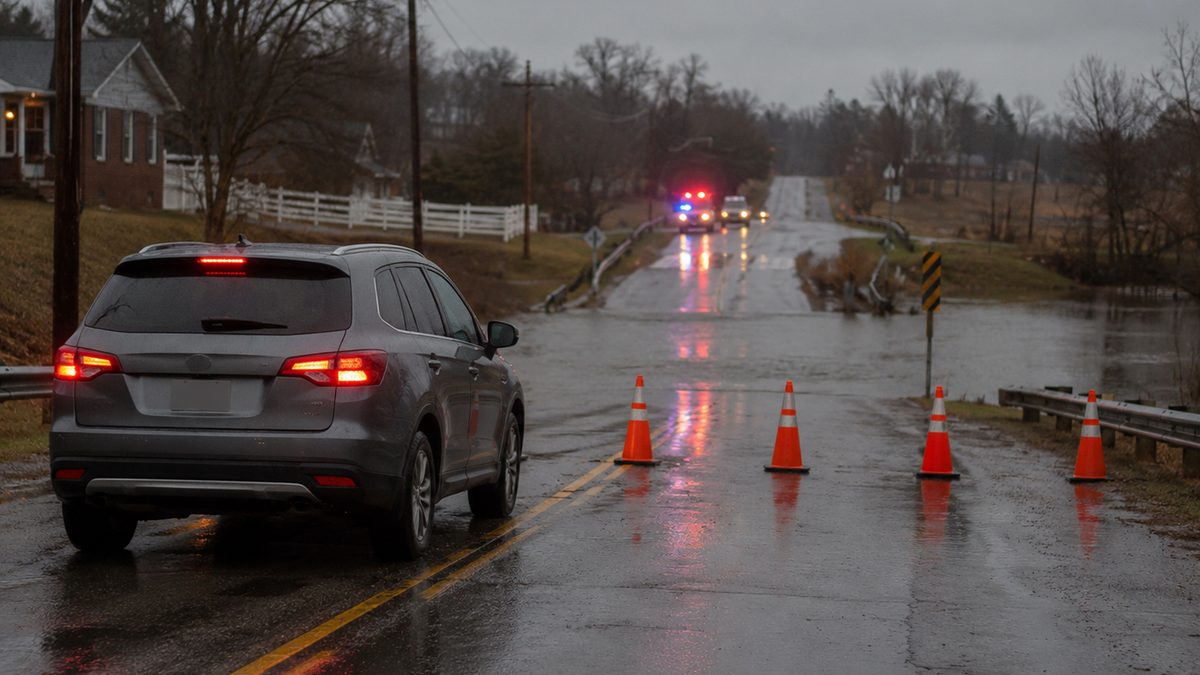
Hurricane risk is not limited to beachfront homes. Inland communities can face flooding, road closures, power outages and emergency response problems even after a storm weakens.
That is why the forecast matters beyond coastal counties. A storm that makes landfall can carry rain far inland. Families who do not think of themselves as living in a hurricane zone may still need to pay attention if they live near rivers, low roads or areas with poor drainage.
The available source material does not show how prepared individual communities are for flooding, wind or power outages. That can vary widely from place to place.
What the Outlook Cannot Tell Us Yet
NOAA’s outlook gives a range for the season, but it does not say where storms will form or make landfall. It also does not guarantee that the season will stay below normal as conditions evolve.
That uncertainty is not a flaw in the forecast. It is how seasonal hurricane outlooks work. They help explain the expected environment for the season. They do not replace storm-by-storm forecasts once a system develops.
For readers, the difference matters. A seasonal outlook is useful for early planning. A local forecast and official emergency guidance become more important when a specific storm threatens a specific area.
The Preparedness Clock Has Started
A below-normal hurricane outlook should not create false comfort. It should create a calmer window to prepare.
Families do not need to treat every forecast as a reason to panic. They do need to understand what the forecast can and cannot say. NOAA expects fewer storms than normal in the Atlantic this year, but the agency’s own range still includes hurricanes and major hurricanes.
The useful takeaway is not that 2026 is safe. It is that now is the easier time to check plans, supplies, insurance documents, evacuation routes and local alert systems. Once a storm is already on the map, the clock moves faster.
Reporting note: Reporting draws on NOAA forecast materials, weather reporting, public safety context, and reviewed background materials. This article was produced with AI-assisted research and reviewed by an editor before publication.