Cargo Theft Has Gone Cyber, and the New Scam Can Start With a Fake Shipping Order
Federal agencies are warning that cargo theft increasingly starts online, with criminals impersonating legitimate businesses and redirecting shipments before they reach their destination.
Save Article
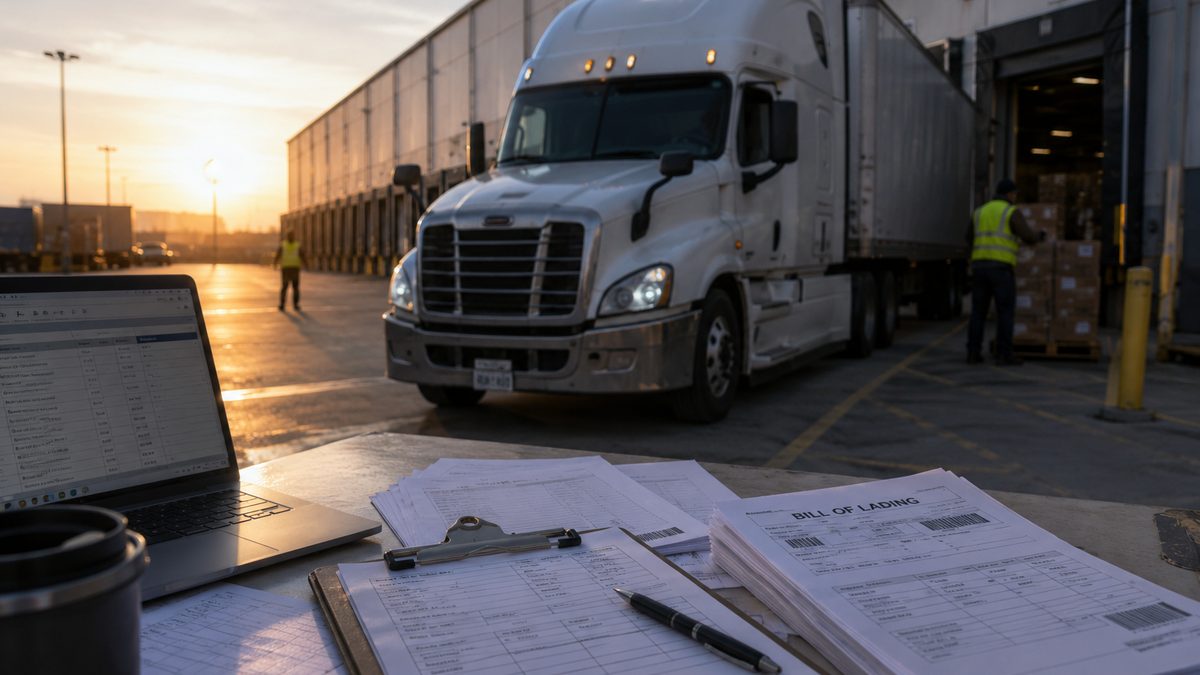
Cargo theft now often begins before a shipment ever leaves the loading dock. Editorial illustration by TheDailyGlobe.
Key Facts
- Federal agencies have warned transportation and logistics organizations about rising cargo-theft threats.
- IC3 says cyber-enabled cargo theft can involve impersonating legitimate companies and fraudulently rerouting shipments.
- CBP has issued cargo-theft alerts that include security and prevention recommendations.
- The FBI treats cargo theft as a transnational organized crime concern.
- Federal agencies continue to encourage reporting and preventive security measures.
Most people picture cargo theft as something that happens on a highway or in a warehouse yard. Federal investigators say that image is increasingly outdated. In many cases, the theft now begins online, long before a truck leaves a loading dock.
The FBI, the Internet Crime Complaint Center (IC3), and U.S. Customs and Border Protection have recently warned transportation and logistics companies about a rise in cyber-enabled cargo theft. The schemes often involve criminals posing as legitimate businesses and manipulating shipping arrangements to gain control of freight.
Why the Warning Matters Beyond the Shipping Industry
The transportation sector sits in the middle of countless everyday transactions. Retailers depend on shipments arriving on time. Manufacturers rely on parts moving through supply chains. Small businesses often have little room to absorb losses if products disappear before delivery.
That is why federal officials are paying attention to cargo theft trends. When freight is stolen, the effects can extend beyond the company that owns the shipment. Delays, insurance costs, replacement expenses and supply disruptions can ripple through the businesses that depend on those goods.
The current warnings are not limited to physical theft. Agencies increasingly describe a blend of fraud, impersonation and digital manipulation that can allow criminals to target shipments without ever approaching a warehouse fence or truck stop.
How Agencies Describe the Threat
According to federal advisories, cyber-enabled cargo theft often relies on deception. Criminals may present themselves as legitimate companies or trusted business partners in order to interfere with shipping arrangements and redirect freight.
Federal agencies have deliberately focused public messaging on awareness rather than operational details. The goal is to help businesses recognize warning signs while avoiding the release of information that could help copycat criminals.
IC3 has described these schemes as part of a broader trend affecting transportation and logistics organizations. The FBI has separately identified cargo theft as an issue connected to organized criminal activity, including transnational networks in some cases.
What Businesses Are Being Told to Watch For
Federal guidance emphasizes verification, communication controls and routine security practices. Agencies have encouraged organizations to carefully verify business relationships, review shipping documentation, maintain internal security procedures and report suspicious activity promptly.
For many companies, the warning serves as a reminder that cybersecurity and physical security are increasingly linked. A shipment can be vulnerable not only when it is moving across the country but also when information about that shipment is being exchanged electronically.
The alerts are particularly relevant for carriers, warehouses, brokers, retailers and smaller logistics firms that may not have large security teams but still handle valuable freight.
What the Data Does Not Yet Show
Federal agencies describe cargo-theft threats as increasing, but the full national picture remains incomplete. Public reports do not provide a definitive count of every incident, and loss estimates can vary depending on how cases are reported and tracked.
It is also unclear which regions or industry sectors currently face the greatest exposure. The available warnings are national in scope, but they do not establish that every area or business faces the same level of risk.
That uncertainty is common in fraud and cybercrime reporting, where incidents may be underreported or categorized differently across agencies, insurers and private industry databases.
What Readers Should Watch Next
The next developments are likely to come through additional federal advisories, industry guidance and enforcement actions. Agencies may release updated information as they gather more data on how these schemes operate and where they are occurring.
For now, the practical takeaway is straightforward. Cargo theft is no longer only a physical-security problem. Federal officials increasingly describe it as a fraud and cybersecurity challenge as well. Businesses that depend on shipping are being urged to treat suspicious communications and identity verification with the same seriousness as locks, cameras and other traditional security measures.
Reporting note: Reporting draws on FBI warnings, Internet Crime Complaint Center advisories, Customs and Border Protection security guidance, and reviewed public-safety materials. This article was produced with AI-assisted research and reviewed by an editor before publication.