Judge Keeps $1.8 Billion Anti-Weaponization Fund on Hold Until Officials Put Plans in Writing
A federal judge extended a block on the Anti-Weaponization Fund, saying verbal assurances were not enough and seeking a stronger written commitment from government officials.
Save Article
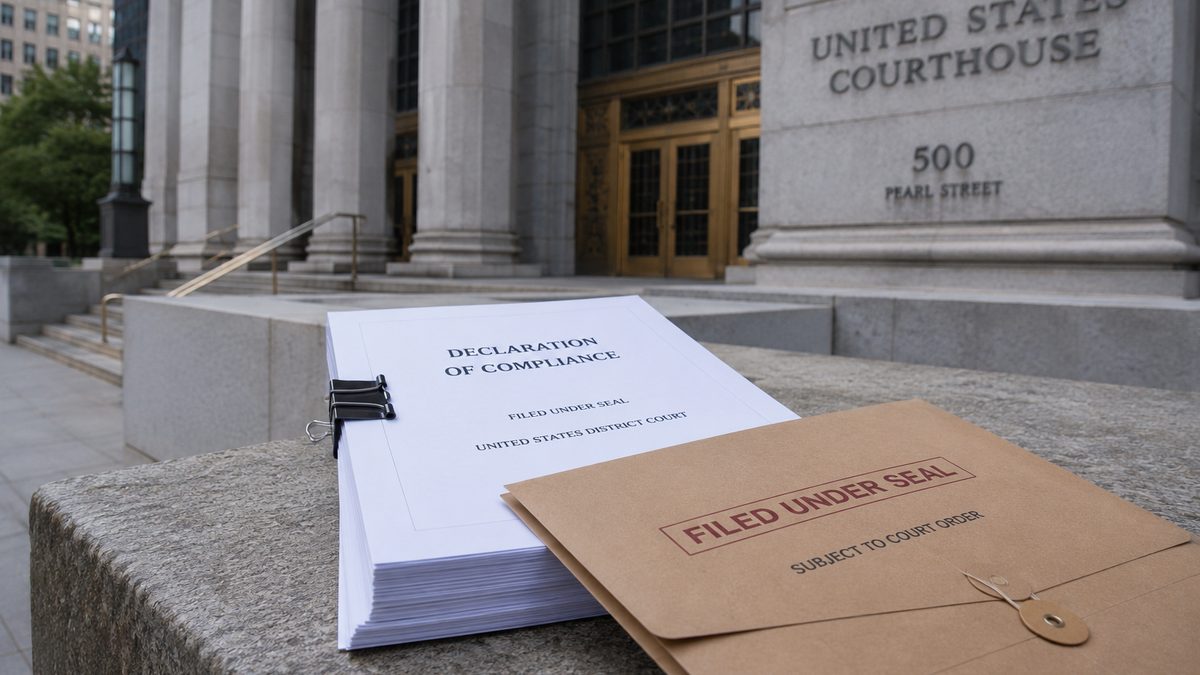
Court oversight often turns on what officials put in the record, not what they say in public. Editorial illustration by TheDailyGlobe.
Key Facts
- A federal judge extended a block on the Anti-Weaponization Fund.
- Reporting describes the fund as a $1.8 billion mechanism tied to claims of government weaponization.
- Government officials indicated the fund would not move forward.
- The judge sought stronger written assurances rather than relying on informal statements.
- The dispute remains procedural and is not a final ruling on all underlying claims.
One of the simplest ideas in government accountability is that important promises should be written down. That principle sits at the center of a federal court dispute involving a proposed $1.8 billion Anti-Weaponization Fund that remains blocked even after government officials indicated it would not move forward.
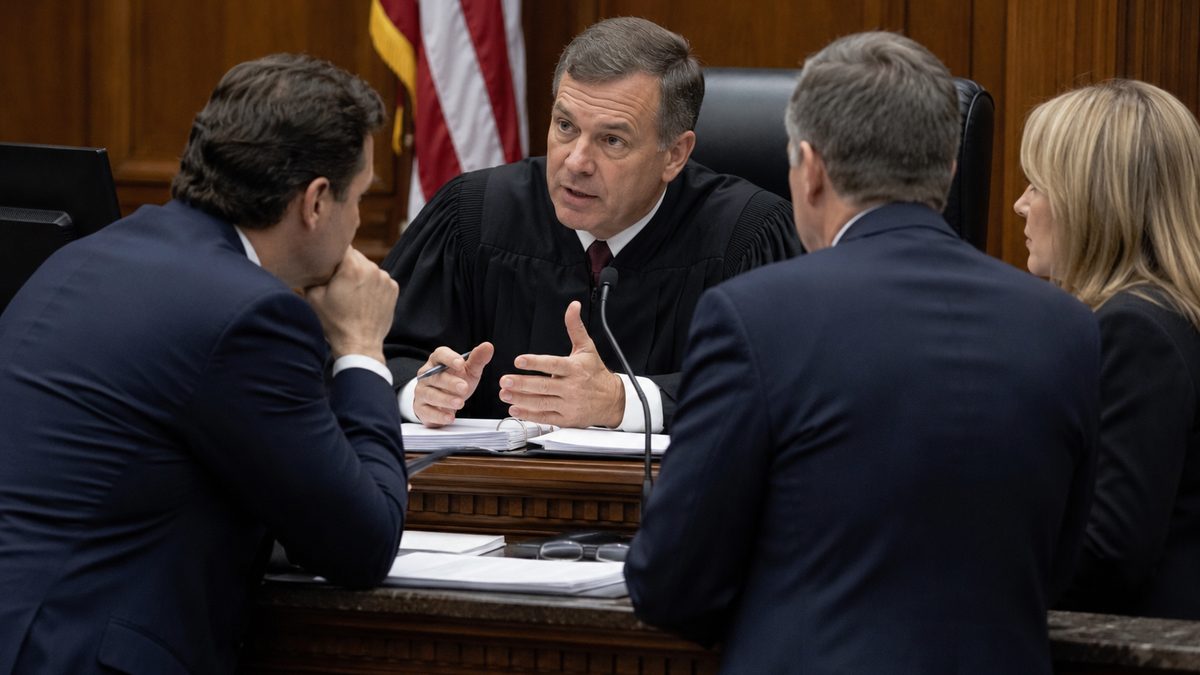
A federal judge extended an order preventing the fund from proceeding, concluding that public statements and informal assurances were not enough to resolve the case. Instead, the court signaled that a more durable written commitment may be necessary before the dispute can be put to rest.
Why the Case Is Still Active
At first glance, the disagreement may seem unusual. If officials say a program is no longer moving forward, why would a court continue blocking it?
The answer appears to be the court's concern about what exists in the official record. According to reporting on the case, government representatives indicated the fund would not proceed. The judge, however, was not satisfied that those assurances were binding enough to eliminate the possibility of future action.
Courts often look beyond public statements and focus on formal commitments, filings and orders. A statement made today can be changed tomorrow. A written representation submitted to a court carries different legal weight and creates a record that can be reviewed and enforced if disputes arise later.
A Dispute About Process, Not Final Outcomes
The judge's decision should not be confused with a final ruling on every issue surrounding the fund. The current fight is largely procedural. The court is addressing whether the fund can move forward and what assurances are required, not resolving every allegation or claim raised by the parties.
That distinction matters because politically charged cases often generate public debate that moves faster than the legal process itself. The court's latest action focuses on preserving the status quo while questions about government commitments remain unresolved.
Reporting has described the Anti-Weaponization Fund as a $1.8 billion mechanism connected to claims of government weaponization. Questions about eligibility, compensation and related claims remain tied to court filings and legal arguments rather than established judicial findings.
Why Written Assurances Matter
The broader public lesson from the case has less to do with partisan politics and more to do with how government accountability works. When public money is involved, courts often require more than verbal promises.
Written commitments create a record. They allow judges, litigants and the public to understand exactly what government officials are promising to do—or not do. They also reduce confusion about whether a policy has truly ended or merely been paused.
That principle applies regardless of which administration is in power. Courts routinely rely on documents, sworn filings and formal representations because those records provide a clearer foundation for oversight than political messaging or media statements.
The Public-Money Question
The size of the proposed fund is one reason the case has attracted attention. A dispute involving $1.8 billion naturally raises questions about how public resources are managed and what safeguards exist before money is distributed.
The judge's decision does not determine whether the concept behind the fund is valid or invalid. Instead, it reflects a narrower question: whether the government has provided enough formal assurance for the court to conclude that the fund is no longer a live issue requiring judicial intervention.
For taxpayers, that may seem like a technical distinction. Yet many major court disputes turn on procedural questions because procedures help determine how public power is exercised and documented.
What Remains Unclear
Several questions remain unanswered. It is not yet clear whether the administration will provide the written assurances the court appears to be seeking. It is also unclear whether related litigation elsewhere could change the legal landscape surrounding the dispute.
Another open question is whether a different policy approach or replacement mechanism could emerge in the future. Current reporting does not establish what any such alternative might look like.
What to Watch Next
The next developments are likely to come through court filings rather than political statements. Readers should watch for written submissions from government officials, responses from litigants and any additional rulings that clarify whether the injunction remains necessary.
For now, the judge's message appears straightforward: when billions of dollars and government commitments are involved, the court wants more than reassurance. It wants a record.
Reporting note: Reporting draws on federal court reporting, legal filings, national reporting, and reviewed background materials. This article was produced with AI-assisted research and reviewed by an editor before publication.