New Federal Drug Strategy Tests the Balance Between Enforcement and Recovery
The 2026 National Drug Control Strategy lays out a federal plan that combines supply enforcement, prevention, treatment access, recovery support, and overdose response.
Save Article

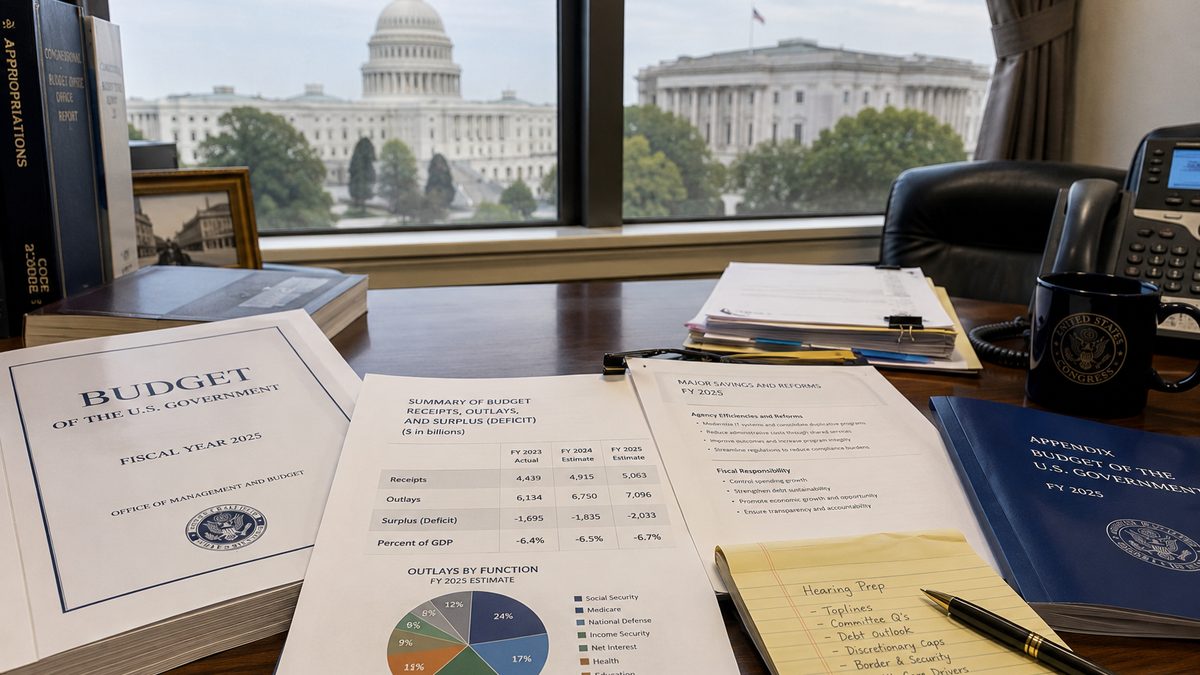
The 2026 National Drug Control Strategy combines enforcement, prevention, treatment, recovery, and overdose-response goals. Editorial illustration by TheDailyGlobe.
Key Facts
- ONDCP released the 2026 National Drug Control Strategy on May 4, 2026.
- The White House said the strategy is prepared biennially and serves as a federal roadmap for addressing illicit drugs and addiction.
- ONDCP coordinates across 19 federal agencies and oversees a $44 billion budget connected to addiction and overdose response.
- The White House fact sheet says the strategy includes supply-chain enforcement, prevention, treatment access, peer support, data modernization, overdose response, and wastewater testing.
- CDC provisional overdose data are updated monthly, but CDC cautions that provisional counts are incomplete and subject to change.
The White House Office of National Drug Control Policy released the 2026 National Drug Control Strategy on May 4, laying out a federal roadmap that tries to connect law enforcement, prevention, treatment, recovery, overdose response, and local implementation into one national plan.
The strategy matters because drug policy is not only a Washington issue. It reaches emergency rooms, county jails, schools, treatment providers, families, first responders, public health offices, and local budgets. The federal government can set priorities and direct funding, but much of the work happens close to home.
For readers, the central question is whether the strategy can balance two needs that often compete for attention: stopping illicit drug supply and helping people survive, enter treatment, and stay in recovery.
What the Strategy Is Trying to Do
The National Drug Control Strategy is prepared every two years and is meant to guide federal work on illicit drugs and addiction. ONDCP coordinates across 19 federal agencies and oversees a $44 billion budget connected to addiction and overdose response, according to the source materials.
The 2026 plan includes several major pieces: disrupting drug supply chains, expanding prevention, improving treatment access, supporting peer recovery, modernizing data systems, strengthening overdose response, and using tools such as wastewater testing to track drug trends.
That mix shows the administration is not presenting the drug crisis as only a criminal justice issue or only a health care issue. The strategy uses both frames. It aims to reduce the supply of illicit drugs while also supporting systems that help people avoid addiction, survive overdose risk, and enter recovery.
Why the Overdose Data Need Careful Reading
CDC provisional overdose data provide one way to track national and state-level overdose-death trends. But provisional data are not final. CDC cautions that these counts are incomplete and subject to change as death records are updated and reviewed.
That caveat matters. If provisional overdose numbers move down, that can be encouraging, but it does not automatically prove that one policy caused the change or that the trend will continue. If numbers move up in a state or region, that may signal a serious local problem, but the data still need to be read with the limits CDC attaches to them.
For families and communities, the numbers are not abstract. They point to whether people are dying, whether emergency response is working, whether treatment is reachable, and whether local systems have enough support to respond before a crisis becomes fatal.
The Enforcement Side of the Plan
One part of the strategy focuses on enforcement and supply reduction. That includes targeting illicit drug supply chains and using federal coordination to respond to changing drug markets.
The DEA warned in May 2026 that illicit fentanyl is increasingly being mixed with synthetic substances including xylazine, nitazenes, cychlorphine, and medetomidine. That warning helps explain why federal officials are emphasizing drug-supply monitoring and enforcement: the illegal market is not static, and new combinations can create risks that local responders may not immediately recognize.
Still, enforcement alone cannot answer every part of the problem. Arrests and seizures may disrupt trafficking, but they do not by themselves make treatment easier to find, stabilize someone in recovery, or help a county build a stronger behavioral health system.
The Recovery and Local Systems Test
The strategy also points to treatment access, peer support, prevention, overdose response, and better data. Those areas are where the plan becomes most visible to regular people: whether help is available, whether naloxone and other overdose-response tools are accessible, whether treatment slots exist, and whether recovery support continues after an immediate crisis.
Counties are especially important. The National Association of Counties said counties are central to substance-use prevention, behavioral health, emergency response, treatment, recovery, justice operations, and opioid settlement investments. That means local governments may carry much of the practical burden even when the strategy is written at the federal level.
This is where the balance becomes harder. A strategy can name prevention, treatment, recovery, and enforcement as priorities. But local officials, health providers, sheriffs, courts, schools, and community organizations have to turn those priorities into working programs.
What Remains Unclear
The first unknown is how the strategy’s priorities will translate into actual agency spending and local outcomes. Federal roadmaps can set direction, but budgets, grants, agency decisions, state choices, and local capacity determine what people see on the ground.
The second unknown is whether enforcement-heavy elements will complement or compete with treatment and recovery efforts. The strongest version of the strategy would make those pieces work together: disrupting dangerous supply while expanding help for people already affected. The weaker version would let one side crowd out the other.
The third unknown is whether any overdose declines shown in provisional data will continue once final data are available and the new strategy is implemented. The source material does not support treating those trends as settled or guaranteed.
What Readers Should Watch Next
The real test will come after the strategy leaves the page. Readers should watch agency budgets, county implementation plans, overdose data updates, naloxone and reversal access, treatment availability, and whether local systems say they have the staff and money to carry out the work.
The 2026 strategy is broad by design. It tries to address supply, prevention, treatment, recovery, data, and emergency response at once. That breadth may be necessary, because addiction and overdose touch many systems at the same time.
But breadth can also make accountability harder. The clearest question over the next year is whether the federal plan produces measurable changes for communities dealing with overdoses, treatment gaps, and an illicit drug market that keeps changing.
Reporting note: Reporting draws on White House and ONDCP materials, CDC provisional overdose data, DEA public safety information, county government context, and reviewed public health policy background. This article was produced with AI-assisted research and reviewed by an editor before publication.