The Lifeguard Chair May Be Empty Again This Summer
As pools and beaches enter peak season, staffing concerns are forcing some communities to rethink hours, safety zones and what families should assume near the water.
Save Article
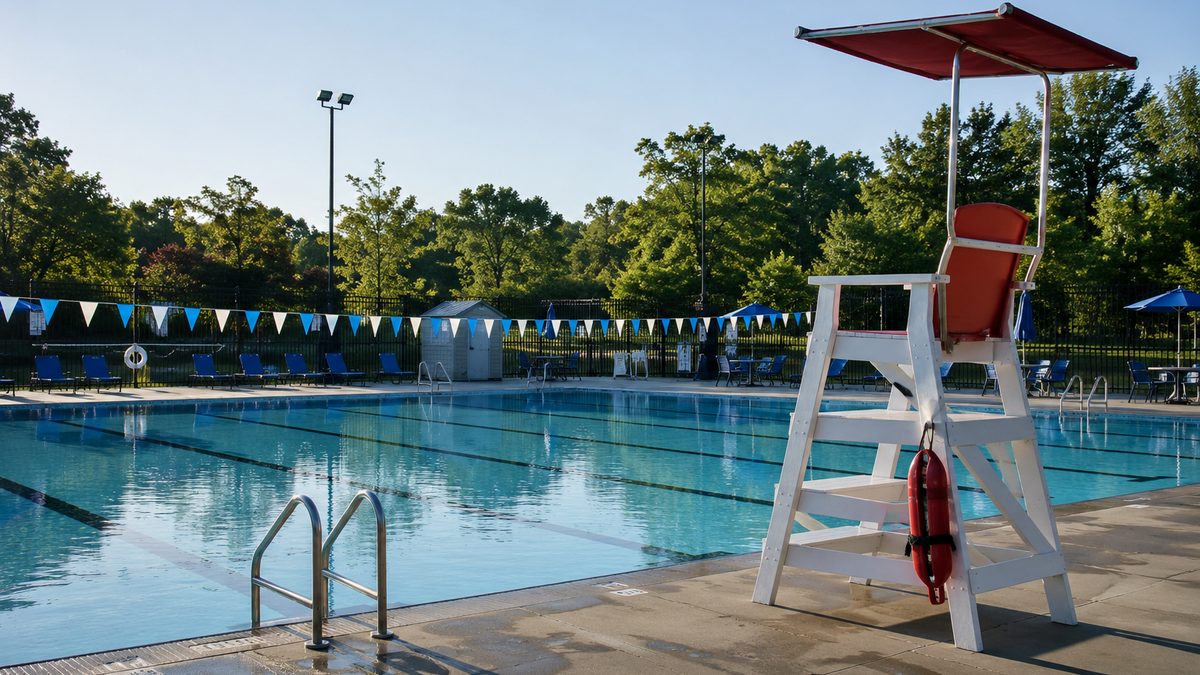
Families may need to check whether a pool or beach is guarded before assuming someone is watching the water. Editorial illustration by TheDailyGlobe.
Key Facts
- The American Lifeguard Association warned that lifeguard shortages can reduce operating hours or close facilities.
- Local reporting from Missouri said pools in the Ozarks were seeing lifeguard staffing challenges as summer opened.
- Aquatic facilities often depend on seasonal workers, training schedules and certification availability.
- It remains unclear how widespread local closures or reduced hours will be in summer 2026.
- Local staffing conditions can change week to week during peak swim season.
A family can arrive at a pool or beach, see the gate open and assume the water is being watched. This summer, that may not always be a safe assumption.
Lifeguard staffing concerns are again affecting the start of swim season in some communities. The American Lifeguard Association has warned that shortages can reduce operating hours or close facilities, while local reporting from Missouri said pools in the Ozarks were seeing lifeguard staffing challenges as summer opened.
The issue is not only whether a pool opens. It is whether the pool, beach or swim area has enough trained people on duty to operate safely, keep normal hours and maintain the zones families expect.
Why Staffing Changes the Swim Day
A lifeguard shortage can show up in several ways. A city pool may open later, close earlier, reduce the number of swim lanes, limit capacity or cancel certain programs. A beach may keep some areas guarded while leaving others unguarded. A community may also decide that a facility cannot open safely without enough certified staff.
For families, the practical effect can be confusing. A pool may be open one week and have shorter hours the next. A beach may be available to the public but not fully staffed. A swim lesson or summer program may depend on whether enough guards are certified and scheduled.
That is why open water does not always mean guarded water. The difference matters most for parents, grandparents, camp leaders and anyone taking children to a public swim area.
Why Lifeguards Are Hard to Replace
Lifeguarding is seasonal work in many places, and that creates a narrow hiring window. Pools and beaches often need workers trained, certified and ready just as schools let out and summer schedules begin.
Certification also matters. A facility cannot simply place any available employee in a lifeguard chair. Guards need training, testing and ongoing readiness. If fewer people sign up, if training slots are limited, or if hiring starts late, the shortage can appear right when public demand rises.
The point is not to blame young workers or local staff. Many communities rely on a fragile seasonal system. When that system is short even a few people, the effects can reach the public quickly.
What Families Should Check
Before planning a swim day, families should check the latest notice from the pool, park district, city, county or beach authority. Hours posted at the start of the season may change if staffing changes.
Parents should also look for clear information about whether lifeguards are on duty, what areas are guarded and whether any part of the water is swim-at-your-own-risk. At beaches, guarded zones can matter as much as opening hours. At pools, capacity limits or program cancellations may signal that staffing is tight.
The safest habit is simple: ask before assuming. If the answer is unclear, families should treat the water as unguarded and supervise accordingly.
What Remains Unclear
The national picture for summer 2026 is still developing. It is not yet clear how widespread local closures will be, which communities will reduce hours or swim zones, or whether hiring will improve later in the season.
Local conditions can also shift quickly. A pool may find enough certified guards after a training class finishes. A beach may add coverage later in the summer. Another facility may lose staff and cut hours with little warning.
What to Watch This Summer
The most useful updates will come from local pool operators, parks departments, beach authorities and school or camp programs. Families should watch for changes in posted hours, guarded areas, swim lessons and capacity rules.
The larger lesson is practical. A lifeguard chair is part of public safety infrastructure, not summer decoration. When that chair is empty, families need to know before they arrive, not after they are already at the water.
Reporting note: Reporting draws on American Lifeguard Association materials, local reporting on pool staffing, aquatic safety context, and reviewed background materials. This article was produced with AI-assisted research and reviewed by an editor before publication.