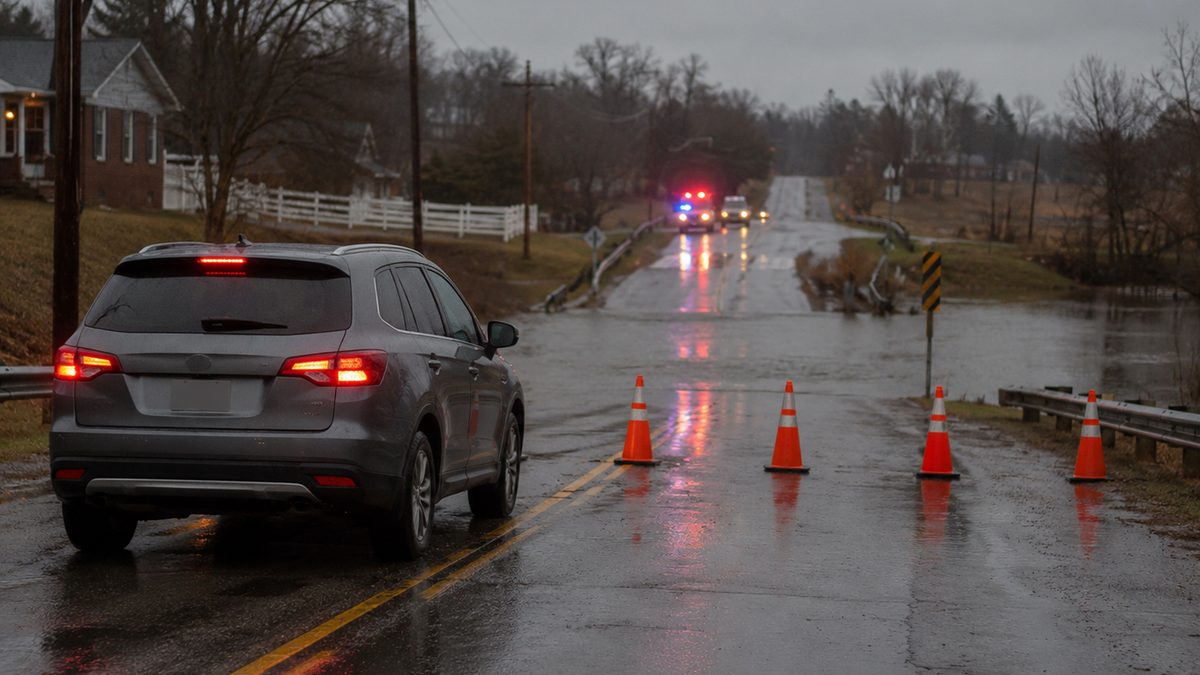
Hot Cars Are Still Killing Children, Even When Parents Think It Could Never Happen to Them
Vehicle heatstroke deaths remain a preventable summer danger, and safety experts warn that routine changes, distraction and heat can put children at risk faster than many parents realize.
Save Article
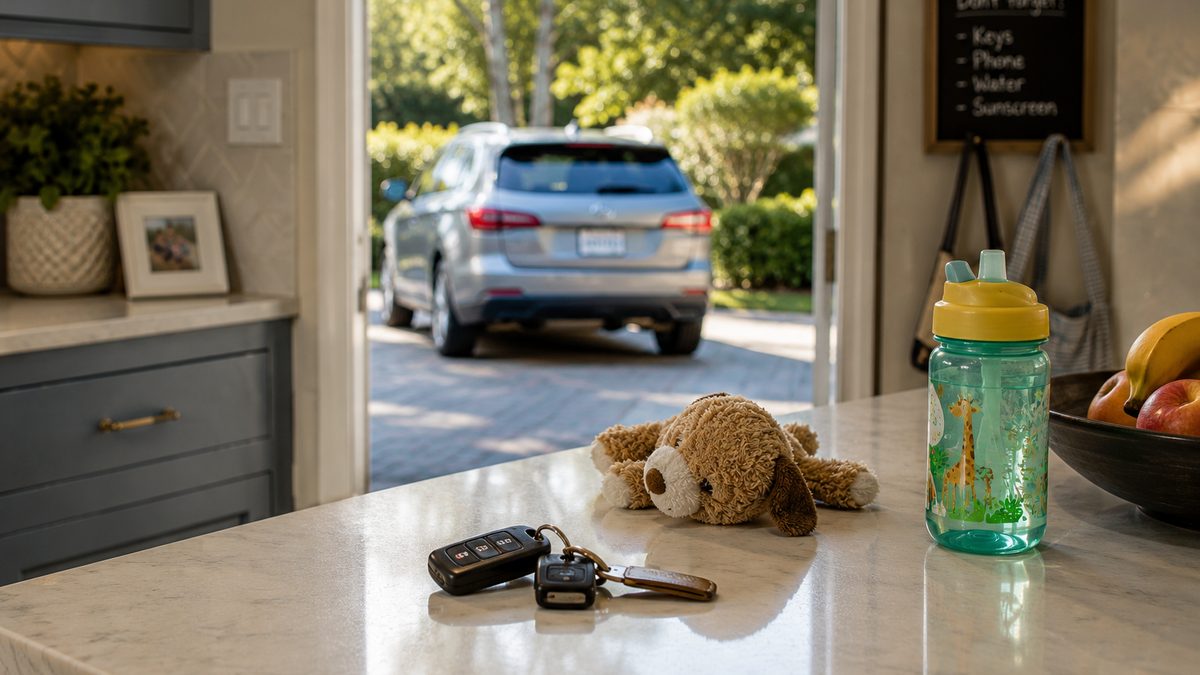
Hot-car prevention starts with routines that account for distraction, schedule changes and summer heat. Editorial illustration by TheDailyGlobe.
Key Facts
- NoHeatstroke.org reports more than 1,000 pediatric vehicular heatstroke deaths since 1998.
- NHTSA says 31 children died of heatstroke in vehicles in 2025.
- National Safety Council data listed five reported child hot-car deaths in 2026 at the time indexed.
- Final 2026 totals will not be known until later in the year.
- Individual incidents often remain under local investigation.
Many parents hear stories about children dying in hot cars and think the same thing: that could never happen to me. Safety experts warn that this belief can be part of the danger.
Vehicle heatstroke deaths are often discussed only after a tragedy, but the risk builds quietly around ordinary routines. A changed drop-off plan, a distracted morning, a sleeping child in the back seat or a car that heats faster than expected can turn a normal day into an emergency.
The warning is newly relevant as summer heat returns. NoHeatstroke.org reports more than 1,000 pediatric vehicular heatstroke deaths since 1998. The National Highway Traffic Safety Administration says 31 children died of heatstroke in vehicles in 2025, and National Safety Council data listed five reported child hot-car deaths in 2026 at the time indexed.
Why Routine Changes Matter
A hot-car death is sometimes described in ways that make it sound like it only happens to careless people. That framing is not helpful for prevention. The safer lesson is that families need routines that work even when a normal day gets interrupted.
A parent may be driving a route they do not usually drive. A grandparent may be helping with child care. A daycare drop-off may happen before a work call or after a poor night's sleep. In those moments, memory and habit can compete with stress, distraction and schedule changes.
That is why prevention advice often focuses on simple checks rather than blame. The goal is to create a backup system before anyone needs it.
How Heat Turns a Car Dangerous
A parked vehicle can become dangerous quickly in warm weather. The risk is not limited to days that feel extreme. Sun, closed windows, dark interiors and still air can raise the temperature inside a vehicle well beyond what a child can safely tolerate.
Children are especially vulnerable because their bodies can overheat faster than adults. A child who is asleep, quiet or unable to get out of a car seat may not be noticed from outside the vehicle. That makes the back-seat check one of the simplest and most important habits.
The public safety point is straightforward: never leave a child alone in a vehicle, even briefly, and do not assume a quick errand is harmless because the car was comfortable when the trip began.
Prevention Without Blame
Families can reduce risk by building reminders into the day. One common habit is placing a necessary item, such as a phone, bag, wallet or work badge, in the back seat so the driver has to look there before leaving the vehicle.
Another is a child-care check-in rule. If a child does not arrive as expected, the daycare, babysitter or school should contact the parent or caregiver quickly. Families can also agree that anyone transporting a child sends a short confirmation after drop-off.
Car doors should also be kept locked when vehicles are parked at home so children cannot climb inside unnoticed. That matters because not every hot-car death begins with an adult forgetting a child in the back seat. Some involve children entering an unattended vehicle.
What Remains Unclear
Final 2026 totals will not be known until later in the year, and individual incidents often remain under local investigation. That means public reports may not immediately show the full circumstances of each case.
Local prevention campaigns also vary by state and community. Some areas may push reminders through police departments, health agencies, child-care providers or summer safety campaigns, while others may rely more on national warnings.
Those differences do not change the basic prevention message. The danger is predictable enough that families can plan for it before a mistake or emergency happens.
What Families Should Watch This Summer
The next useful reminders will likely come from NHTSA, local police, child safety groups and health agencies as summer temperatures rise. Parents and caregivers should also watch for local alerts during heat waves, holiday travel weekends and the start of new child-care routines.
The hard truth is that hot-car deaths keep happening even though they are preventable. The practical response is not shame. It is a routine strong enough to survive distraction: check the back seat every time, confirm drop-offs, lock parked cars and treat summer heat as a real safety risk before the day gets busy.
Reporting note: Reporting draws on NoHeatstroke.org data, National Highway Traffic Safety Administration safety guidance, National Safety Council records, and reviewed background materials. This article was produced with AI-assisted research and reviewed by an editor before publication.