FAFSA Fraud Screening Puts More Students Into Verification Before Aid Is Paid
Federal Student Aid says about 300,000 FAFSA applications were selected for extra verification after a one-time fraud screening.
Save Article

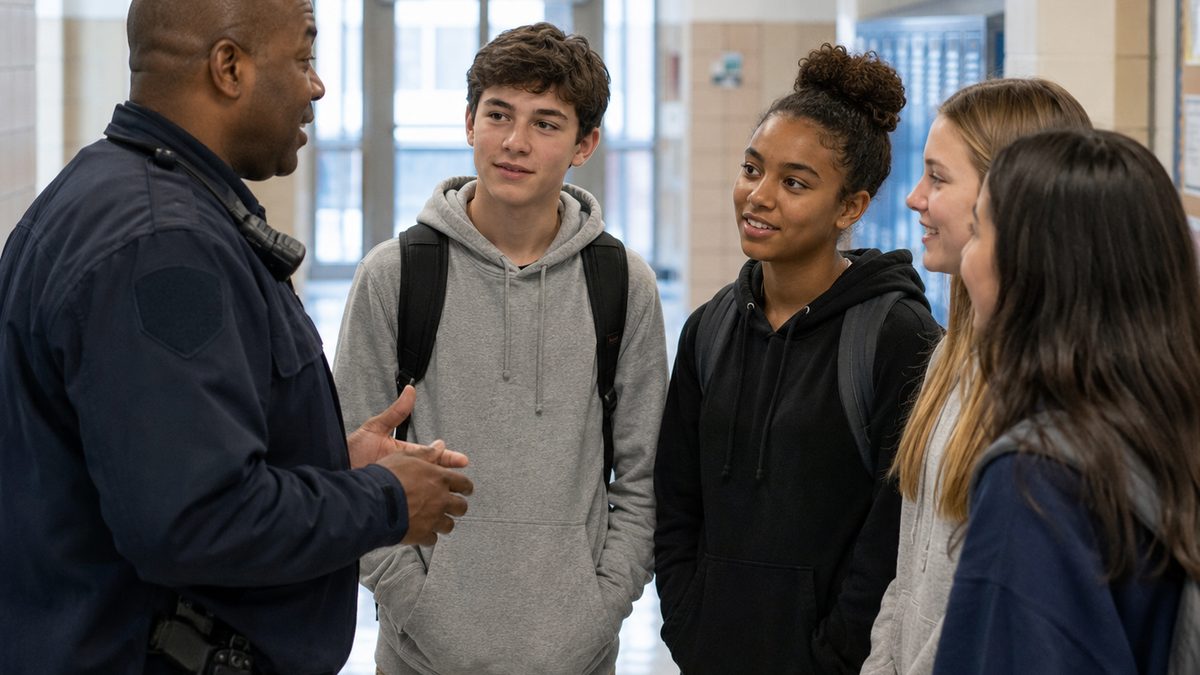
New FAFSA fraud screening could send more students into verification before aid is finalized. Editorial illustration by TheDailyGlobe.
Key Facts
- Federal Student Aid said it completed a one-time fraud detection screening of 2026-27 FAFSA forms submitted before real-time fraud detection was implemented.
- Federal Student Aid said approximately 300,000 applications were selected for Verification Tracking Group V5.
- Schools will receive system-generated transactions for selected applications.
- Federal Student Aid said each selected application was identified based on indicators associated with suspected fraud risk.
- Financial aid organizations warned colleges to prepare for additional verification workload.
A new FAFSA fraud screening step has pushed hundreds of thousands of student aid applications into verification before financial aid can be finalized.
Federal Student Aid said it completed a one-time fraud detection screening of 2026-27 FAFSA forms that had been submitted before real-time fraud detection was implemented. The agency said approximately 300,000 applications were selected for Verification Tracking Group V5.
For students and families, the practical point is straightforward: being selected for verification may mean more documentation and more waiting. It does not automatically mean the student did anything wrong.
What Verification Means for Families
Verification is a review process. Colleges may ask students or parents to provide additional documents before aid is finalized or paid. That can include identity-related documentation or other materials needed to resolve questions in the aid file.
The important distinction is that selection for verification is not the same as an accusation. Federal Student Aid said the selected applications were identified based on indicators associated with suspected fraud risk. That means the application was flagged for review, not that fraud was proven.
Still, the effect can feel very real. A student waiting on a financial aid package may have to respond to a college request before knowing the final amount of grant, loan or work-study aid. Families trying to compare college costs may face a slower answer at exactly the point when they need clarity.
Why the Screening Happened
Federal Student Aid described the screening as a one-time step for FAFSA forms submitted before real-time fraud detection was in place. The agency’s update places the change in the context of preventing suspected fraud while aid applications move through the system.
Fraud prevention matters because federal student aid involves public money and millions of applications. The government has an interest in blocking organized fraud schemes before funds are paid out. Colleges also need confidence that aid is going to eligible students.
But fraud screening creates a second pressure point: legitimate students may be pulled into a review process and asked to prove information before aid can move forward. The source material does not show how many legitimate students will experience delays.
Colleges May Feel the Workload First
Federal Student Aid said schools will receive system-generated transactions for selected applications. That means colleges and financial aid offices have to process the new verification records and communicate with students about what is needed.
Financial aid organizations warned colleges to prepare for additional verification workload. That matters because aid offices are already the place where families turn when something about the FAFSA feels confusing, delayed or incomplete.
The available source material does not show how quickly colleges can process the added work. Timing will likely matter for students who are waiting on aid packages, trying to meet enrollment deadlines or deciding whether a school is affordable.
What Students Should Understand
Students selected for verification should treat college requests seriously, but not panic. The review process is meant to confirm information before aid is finalized. It is not, by itself, proof of wrongdoing.
Families should pay close attention to official messages from their college financial aid office and Federal Student Aid accounts. They should avoid guessing, sending documents through unofficial channels or assuming that silence means the issue has been resolved.
This article is not a substitute for financial aid advice from a school. The general takeaway is simpler: if a FAFSA is selected for V5 verification, the student may need to provide extra documentation before aid moves forward.
What Remains Unclear
Several practical questions remain unanswered.
It is not yet clear how many legitimate students will face aid delays because of the screening. It is also unclear how quickly colleges can process the additional verification workload or whether the new screening will significantly reduce organized aid fraud.
Those unknowns matter because the FAFSA is not just a form. It is the gateway to college affordability for many families. When verification adds time, the effect can reach housing decisions, class registration, enrollment deposits and whether a student feels confident they can attend at all.
The careful read is this: Federal Student Aid is trying to strengthen fraud detection, but the added verification step may slow aid processing for some families. Students selected for review should not assume they are accused of fraud. They should expect a documentation process that may need attention before aid is finalized.
Reporting note: Reporting draws on Federal Student Aid materials, higher-education financial aid organization updates, implementation guidance, and reviewed background materials. This article was produced with AI-assisted research and reviewed by an editor before publication.