Extreme Heat Is Already Disrupting Schools and Daily Life
Philadelphia's shift to virtual learning shows how early-season heat can disrupt school schedules, families and older buildings before summer fully arrives.
Save Article
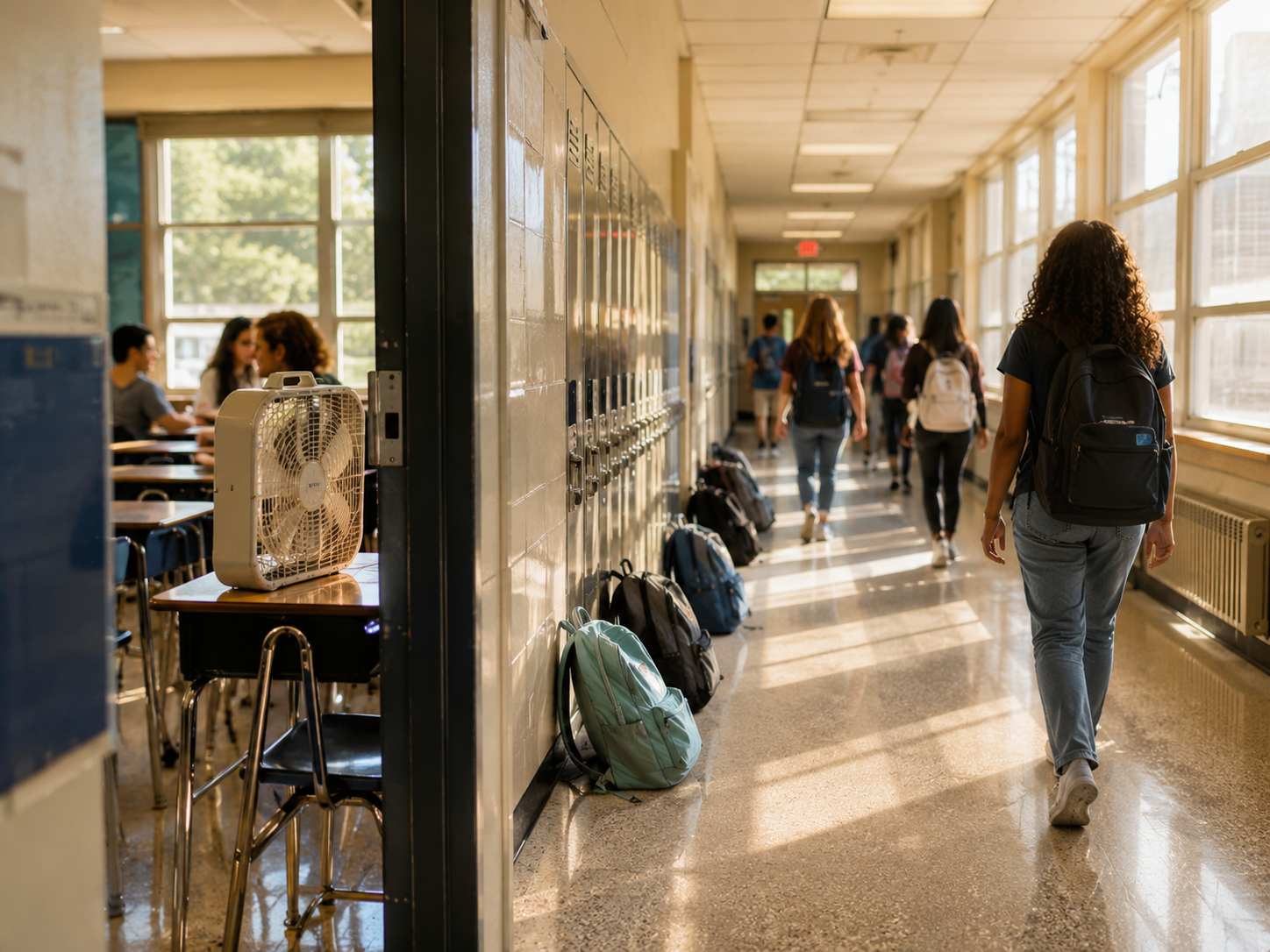
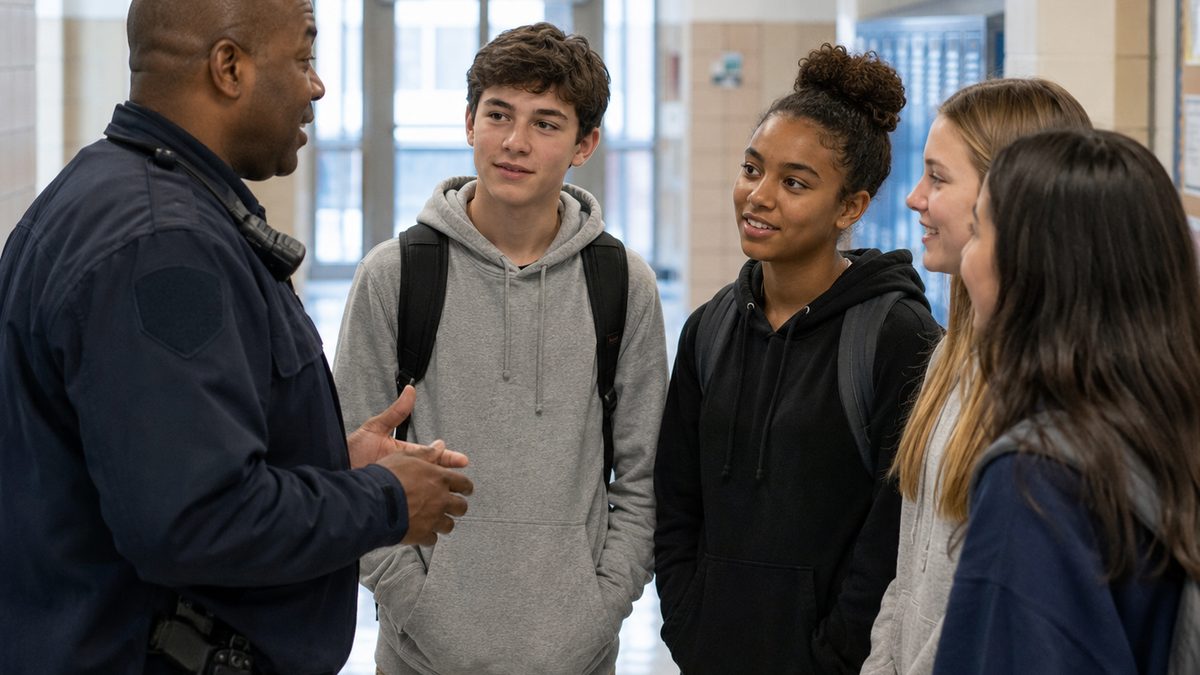
Early-season heat has already disrupted school schedules in some districts. Editorial illustration by TheDailyGlobe.
Key Facts
- AP/Scripps reported early-season heat affected the eastern U.S. and sent some students home.
- Philadelphia shifted 57 schools to virtual learning due to extreme heat.
- WHYY reported that dozens of Philadelphia public school buildings lack sufficient air conditioning.
- Heat-related school disruptions created practical problems for students, families and school operations.
Extreme heat is already changing school routines before summer has fully settled in.
In Philadelphia, 57 schools shifted to virtual learning because of extreme heat, according to local reporting. AP/Scripps reported that early-season heat affected the eastern United States and sent some students home in Philadelphia.
For families, this is not just a weather story. It is a school-day problem, a work-schedule problem and a building-readiness problem. When classrooms become too hot for normal instruction, students lose routine, parents scramble and school districts have to decide how to keep learning going without putting children and staff in uncomfortable or unsafe conditions.
Why Philadelphia Became the Example
Philadelphia gives the issue a concrete shape. NBC Philadelphia and WHYY reported that 57 schools moved to virtual learning because of extreme heat. WHYY also reported that dozens of Philadelphia public school buildings lack sufficient air conditioning.
That combination matters. Heat alone can be difficult. Heat inside older buildings without adequate cooling can turn a normal school day into a logistics problem. District leaders have to decide whether students can stay in classrooms, whether dismissal times should change or whether remote learning is the least disruptive option available.
The available source material supports the Philadelphia disruption and the building-cooling concern. It does not show how many districts nationally will face similar disruptions this summer.
The Family Disruption Is Immediate
When a school moves online or sends students home, families feel it quickly.
A parent may have to leave work early, find child care, rearrange transportation or help a student get online during a day that was supposed to be normal. Students may miss classroom instruction, meals, services or after-school routines. Teachers and staff have to adjust lesson plans with little time to prepare.
That is why heat days can be more disruptive than they sound. A schedule change caused by weather may last only a day, but the burden can fall unevenly on families with less flexibility, less access to child care or less ability to work from home.
Old Buildings Make Heat Harder to Manage
School infrastructure is part of the story. Many school buildings were not built for hotter classrooms, longer warm seasons or the electrical demands of modern cooling systems.
A district cannot always solve that problem with a few window units or portable fans. Older buildings may need electrical upgrades, ventilation work, roof repairs or larger cooling investments before they can handle repeated heat days.
The source material does not show how quickly older school buildings can be upgraded for heat resilience. It also does not show whether states will provide additional funding for cooling and building improvements.
What Schools Have to Decide
School districts facing heat have to make decisions that are both practical and public.
They must consider classroom temperatures, student health, staff working conditions, transportation, meals, special education services, after-school programs and whether families have enough notice to adjust. A remote day may solve one problem while creating another for students who do not have reliable internet, quiet space or an adult at home.
That is the hard part of heat-related school disruptions. There is rarely a perfect option. The goal is to choose the least harmful one while communicating clearly with families.
What Remains Unclear
Several questions remain open beyond Philadelphia.
It is unclear how many school districts nationally will face similar heat disruptions this summer. It is also unclear how quickly older school buildings can be upgraded or whether additional state funding will help districts improve cooling and heat readiness.
Those unknowns matter because heat-related school decisions are likely to keep showing up whenever temperatures rise before buildings and schedules are ready for them.
A Weather Story That Reaches the Classroom
Philadelphia should not be treated as proof that every district faces the same problem. The available source material does not support that kind of national claim.
But the city does show why heat has become a practical education issue. Hot classrooms can affect learning. Heat-related closures or virtual days can affect parents' work schedules. Older buildings can limit what districts are able to do quickly.
The careful takeaway is simple: early-season heat is already disrupting school routines in some places, and the challenge is not only forecasting the temperature. It is making sure school buildings, family schedules and district plans can handle the days when the weather no longer fits the old calendar.
Reporting note: Reporting draws on reputable wire reporting, local education updates, school operations reporting, weather-related public safety context, and reviewed background materials. This article was produced with AI-assisted research and reviewed by an editor before publication.