How to Check Vehicle Recalls Before Summer Travel
Before a long drive, checking for open vehicle recalls is a simple safety step that can help drivers spot problems tied to their specific car.
Save Article
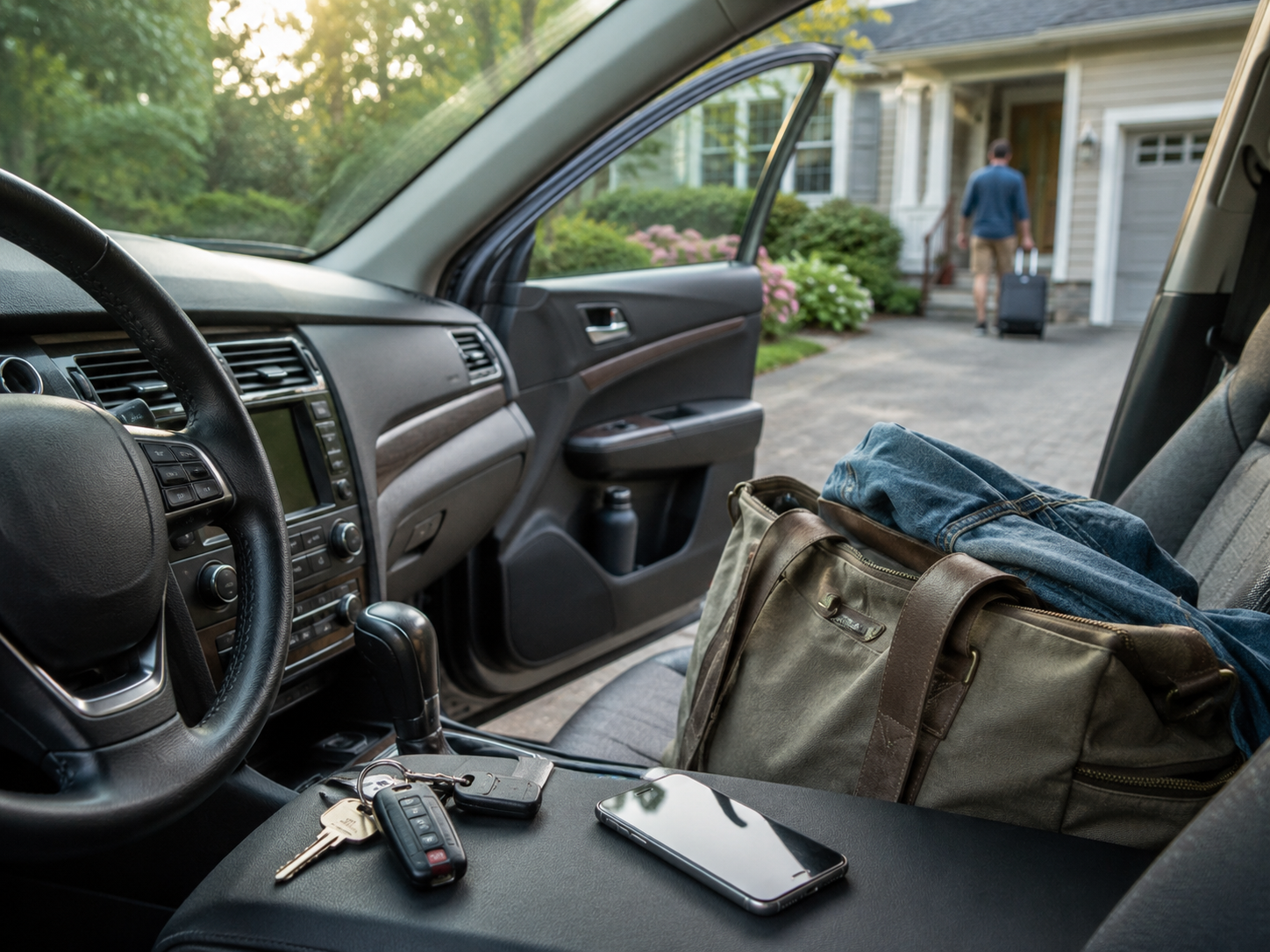
Checking recalls is one practical step families can take before summer travel. Editorial illustration by TheDailyGlobe.
Before a summer road trip, many drivers check the tires, pack phone chargers, fill the tank and make sure the kids have snacks. One safety step is easier to miss: checking whether the vehicle has an open recall.
The National Highway Traffic Safety Administration offers a recall lookup tool that lets vehicle owners search by VIN, the unique vehicle identification number tied to a specific car. NHTSA advises owners to check for recalls, and Recalls.gov gathers recall information from federal agencies in one place.
Why Recall Checks Matter
Vehicle recalls can involve safety defects, equipment problems or other issues that manufacturers and federal safety officials have identified. Not every recall means a driver is in immediate danger, and no one should assume a specific vehicle is unsafe without checking the actual recall information.
But for families heading onto highways, even a quick check can be useful. A recall may point to a repair that should be scheduled, a warning owners should understand or an issue that matters more before a long drive.
What Drivers Can Check
The most direct place to start is NHTSA’s recall page, where drivers can enter a VIN and see whether an unrepaired safety recall is listed for that vehicle. The VIN is usually found on the driver-side dashboard near the windshield, on the driver-side door frame or in vehicle paperwork.
Drivers can also use Recalls.gov to find recall information across federal agencies. That can be helpful for households checking more than a car, including child seats, tires or other products used during travel.
What Remains Unclear
A general recall alert does not answer every question for every driver. A person’s specific VIN may or may not be affected. Even when a recall applies, repair parts or dealer appointments may not be available right away.
The practical next step is to check official recall tools, contact the automaker or dealer if a recall appears, and keep watching for NHTSA updates. It is a calm, quick safety check that can fit naturally into summer travel planning.
Reporting note: Reporting draws on federal vehicle safety tools, U.S. government recall resources, and reviewed background materials. This article was produced with AI-assisted research and reviewed by an editor before publication.