California's New Election Law Shows How States Are Protecting Voting Systems
California enacted immediate limits on unauthorized access to voter rolls, election technology and ballot custody ahead of its June 2 primary.
Save Article
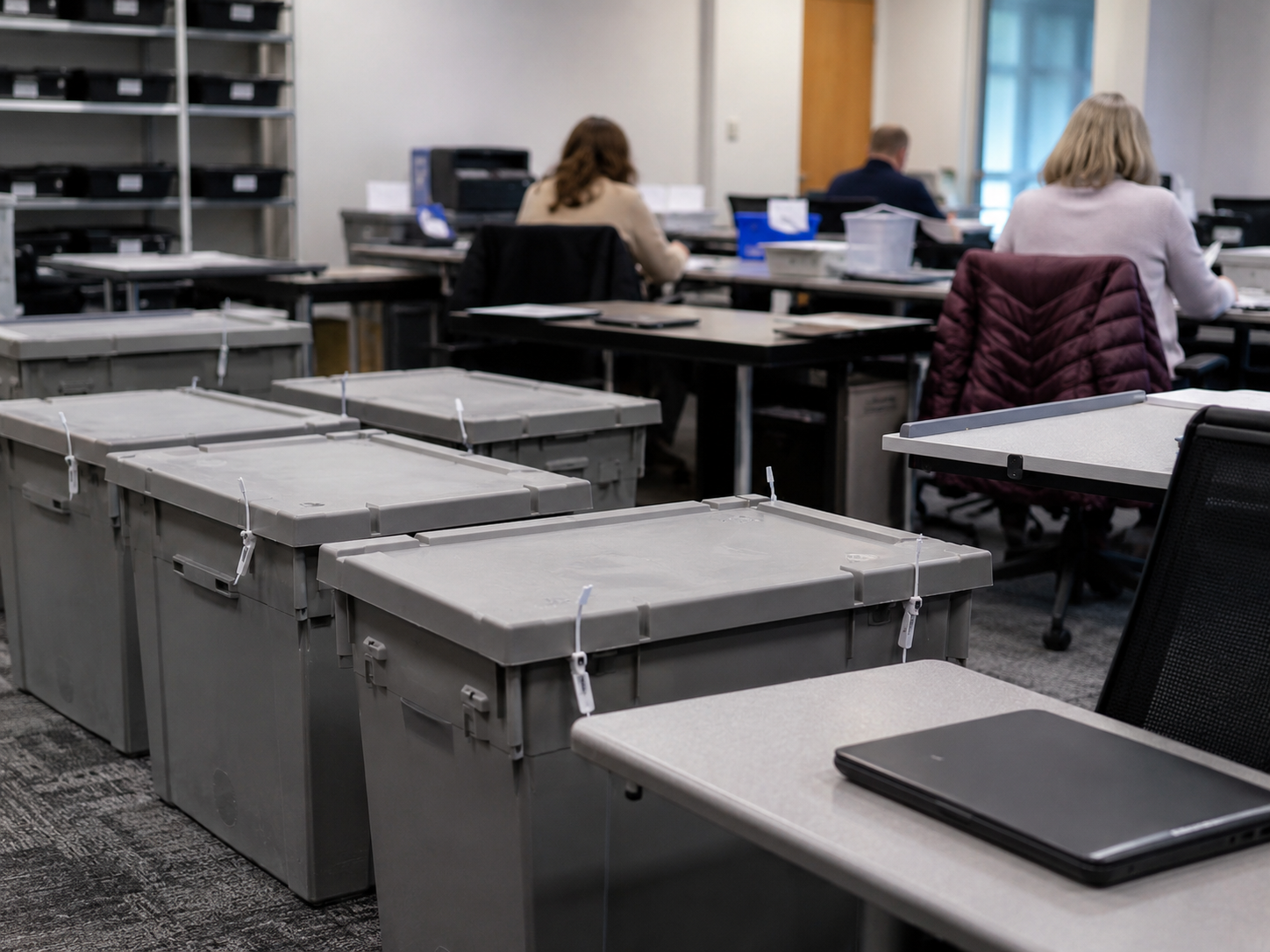
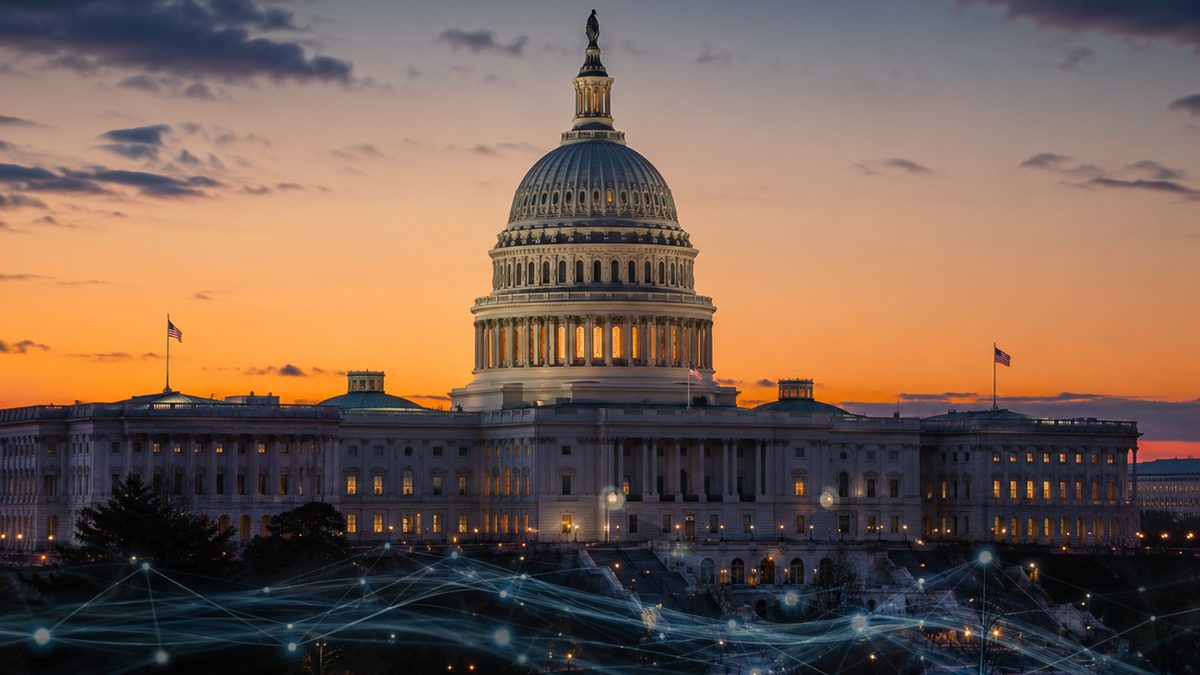
Election safeguards often come down to who is allowed near ballots, voter data and the systems that count them. Editorial illustration by TheDailyGlobe.
Key Facts
- California Gov. Gavin Newsom signed legislation restricting unauthorized access to voter rolls and election technology.
- The law took effect immediately ahead of California's June 2 primary.
- Associated Press reporting says the law limits law-enforcement disruption of election workers except in public-safety emergencies.
- Reporting says the law also addresses unauthorized seizure or removal of voted ballots.
- It remains unclear whether the law will face court challenges or be tested before or during the primary.
A working election depends on a simple public expectation: ballots, voter data and election equipment should be handled by people with clear authority to handle them.
California moved to reinforce that expectation on May 28, when Gov. Gavin Newsom signed legislation restricting unauthorized access to voter rolls and election technology. The law took effect immediately ahead of the state's June 2 primary and also addresses ballot custody and limits on law-enforcement disruption of election workers.
What California Changed
The new law is aimed at protecting election infrastructure from unauthorized access. That includes voter rolls, election technology and voted ballots, all of which sit at the center of public trust in elections.
Associated Press reporting said the measure limits law-enforcement disruption of election workers except in public-safety emergencies. Local California reporting also described the law as focused on ballot custody, including concerns about unauthorized seizure or removal of voted ballots.
Those details matter because elections are run through many ordinary pieces of administration: county offices, voting equipment, ballot storage, chain-of-custody rules, voter files and trained staff. If access to those systems becomes unclear or politicized, confidence can suffer even before any votes are counted.
Why This Matters Beyond California
California's law is a state response to a national pressure point. Election officials across the country have spent recent years dealing with threats, conspiracy claims, public-records disputes, pressure on local workers and arguments over who can inspect or handle election materials.
The California measure does not settle those debates nationwide. But it shows how states are trying to draw clearer lines before voting begins: who can access election systems, who controls ballots, and when law enforcement or outside officials can enter sensitive election spaces.
For voters, the issue is not only partisan conflict. It is whether the rules around ballots and election systems are clear enough that people can trust the process even when campaigns, lawsuits and political claims become heated.
Federal-State Tension Is Part Of The Story
The law was framed by California officials as a shield against possible interference, including federal interference. Claims about federal intentions should be handled carefully. The research summary notes that Trump administration officials have denied plans for polling-place interference, while California officials have described the law as precautionary.
That disagreement is exactly why the law is drawing attention. Election administration is mostly handled by states and local officials, but federal agencies, courts and national political figures can all become part of election disputes. When that happens, the rules around access and authority can become more than paperwork.
California is trying to set those rules before a primary, rather than after a conflict erupts. Whether that prevents disruption or invites a legal fight remains an open question.
What Remains Unclear
Several important details remain unsettled. It is not yet clear whether the law will face court challenges, whether federal agencies or state officials will test its limits, or how election workers will apply the new restrictions in unusual situations.
Edge cases could matter. Public-safety emergencies, disputes over document access, contested authority between agencies or attempts to inspect election systems could all raise questions about how the law works in practice.
The timing also matters. Because the law took effect immediately ahead of the June 2 primary, election workers and local officials have little time between enactment and the next major statewide election event.
What To Watch Next
The next developments to watch are California's June 2 primary, any legal filings challenging the law, and whether officials report disputes over access to ballots, voter data or election technology.
Other states may also watch closely. If California's law is seen as effective, similar protections could appear elsewhere. If it is challenged or proves difficult to apply, it could become another example of how hard it is to protect election systems while keeping public administration transparent and trusted.
For now, the confirmed change is straightforward: California has moved to tighten control over sensitive parts of the election process. The larger test is whether clearer access rules help protect public confidence when election administration itself has become part of the national political fight.
Reporting note: Reporting draws on wire reporting, local California reporting, legal news coverage, official statements, and reviewed election-administration context. This article was produced with AI-assisted research and reviewed by an editor before publication.