Microsoft’s AI Security Push Shows Why Agent Tools Need Guardrails
Microsoft’s Build 2026 materials highlighted agent security and governance, a reminder that AI tools need clear limits as they handle more work tasks.
Save Article
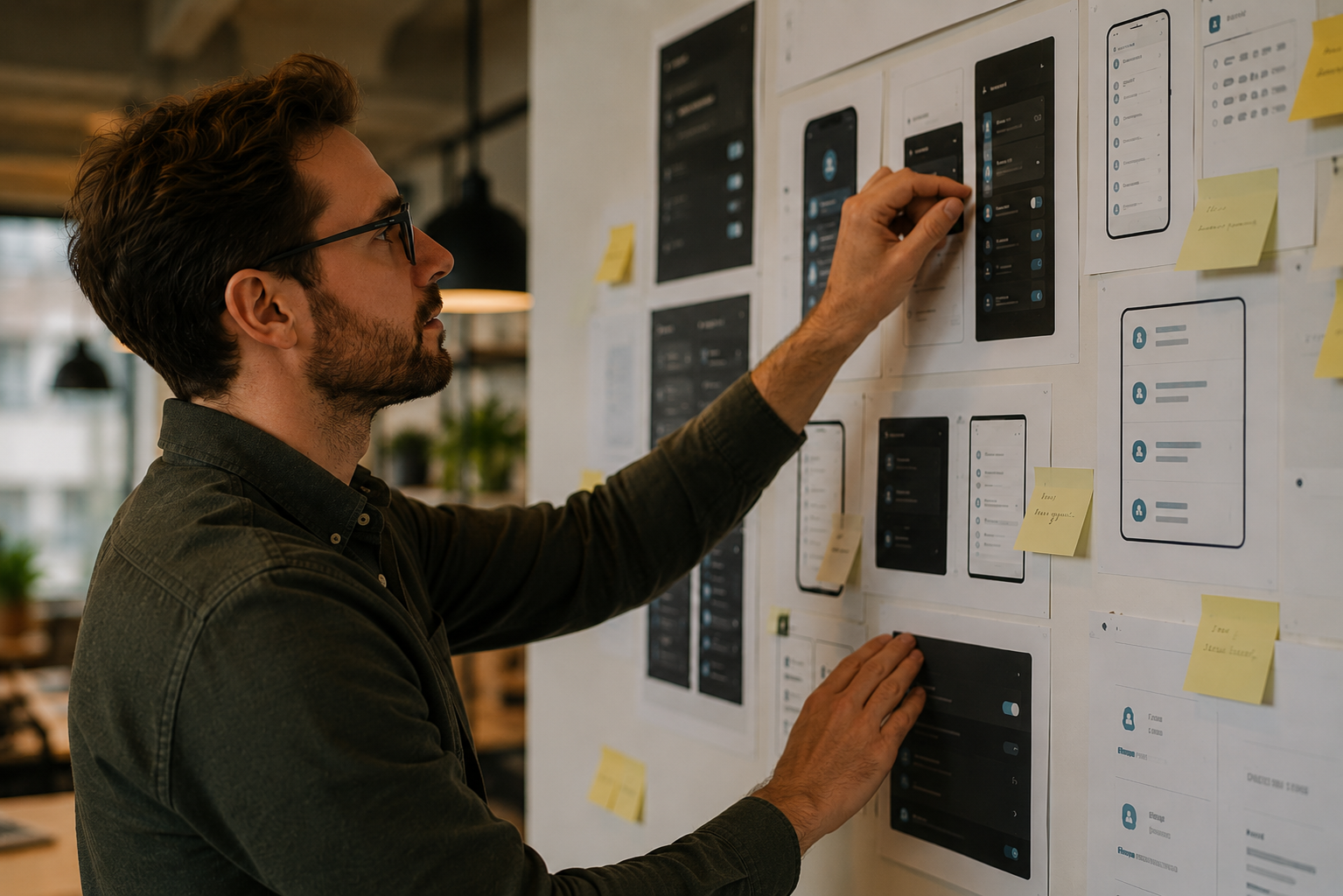
As AI agents move into work tools, permission and oversight systems will become more important. Editorial illustration by TheDailyGlobe.
The more software can do on a user’s behalf, the more important its limits become. That is especially true for AI agents, which are being built to help complete tasks instead of simply answering questions.
Microsoft used Build 2026 to highlight AI-powered tools and platforms, including resources tied to agent control, trust, code security and AI model security. The company’s materials point to a practical issue that will matter as agent-style systems move into more workplace tools: users and companies need to know what the software can see, change and do.
Why Guardrails Matter
An AI assistant that drafts a paragraph is one thing. A system that can interact with work files, internal tools, customer records or software code is different. In those settings, permissions, review steps and audit trails are not technical extras. They are part of whether the tool can be trusted.
Microsoft’s Build hub listed security and governance resources alongside broader AI agent announcements. Many of those tools are aimed first at developers, companies and IT teams, but the same questions will eventually affect regular workers if agent features become common in everyday office software.
The Questions Still Open
The hard part is not only building controls. It is making them understandable. Users need to know when an AI system is suggesting an action, when it is taking one, what information it used and whether a person can stop or reverse the result.
It also remains unclear which safeguards will become standard across workplace products and how well they will work outside controlled demonstrations. Company announcements can describe intended protections, but real confidence depends on deployment, testing and user experience.
What To Watch Next
The next signal will be how Microsoft and other major software platforms explain user control, permission limits and audit trails as AI agents move from developer tools into regular work products. The safer version of this technology will not just be more capable. It will also be clearer about where its authority begins and ends.
Reporting note: Reporting draws on Microsoft event materials, official security and governance resources, technology documentation, and reviewed background materials. This article was produced with AI-assisted research and reviewed by an editor before publication.