Google Wallet’s New ID Tools Point to a Bigger Change in Online Checkout
Google’s new Wallet and Pay tools show how phones are becoming payment devices, ID holders and privacy checkpoints for online life.
Save Article
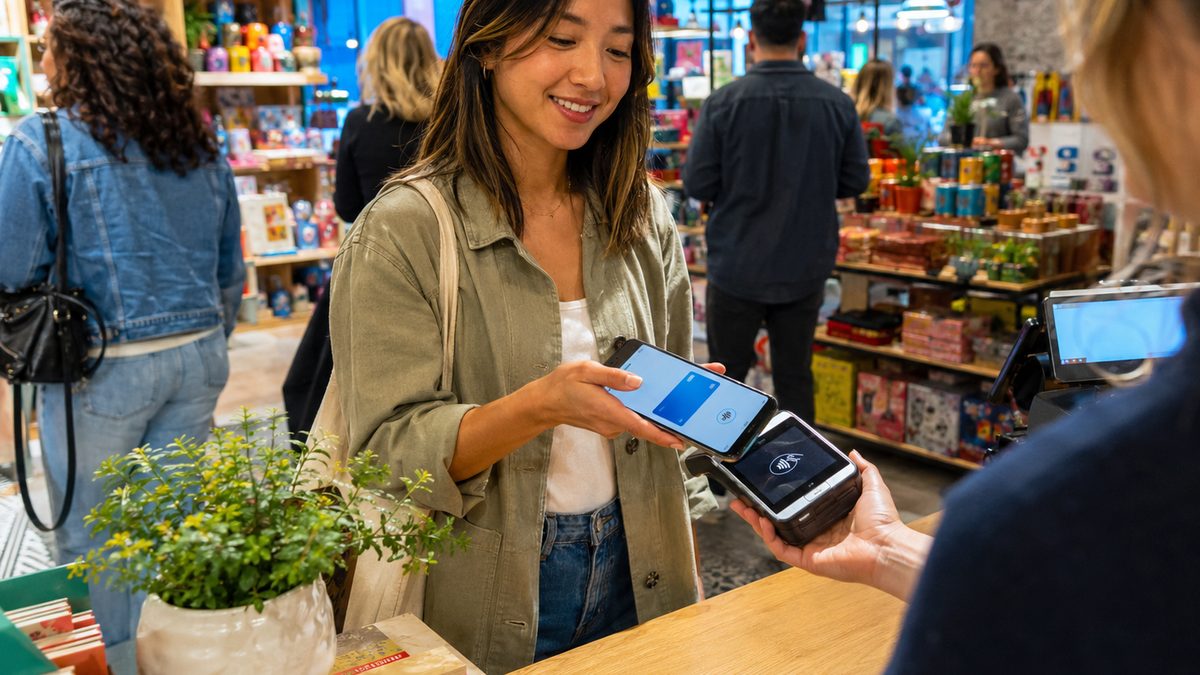
Digital wallets are increasingly combining payments, identity checks and privacy questions. Editorial illustration by TheDailyGlobe.
Key Facts
- Google announced new Wallet and Pay identity and checkout tools on June 4, 2026.
- Google said digital IDs are expanding and private age verification is part of the update.
- Google says Google Pay includes authentication, encryption and fraud protection.
- Google’s announcement describes direct checkout tools that bring saved payment options to participating retailer websites.
- Rollout depends on country, issuer, partner and retailer adoption.
Online checkout used to be mostly about typing in a card number, confirming a shipping address and hoping the transaction went through. Now it is increasingly about proving who you are, whether you are old enough to buy something, and whether the site asking for that proof should receive more personal information than it needs.
Google’s latest Wallet and Pay updates show where that shift is heading. The company announced new digital identity and payment tools on June 4, 2026, including expanded digital ID features, private age verification and changes meant to make online checkout faster and safer. The update is not just about one app. It points to a broader change in how phones are becoming wallets, ID holders and fraud-control systems.
What Google Announced
Google described the update as part of its work to bring secure digital identity and payment tools to more people. In practical terms, that means Google Wallet is not only a place to store payment cards. It is also becoming a place where some users may store or use digital identity credentials, depending on location, issuer and partner support.
The company also highlighted private age verification. The basic idea is that a person may be able to prove they meet an age requirement without handing over more personal details than necessary. That could matter for online services, purchases or settings where age checks are becoming more common.
Google also pointed to Google Pay checkout changes for online shopping. Its product materials describe Google Pay as a way to use saved payment information at checkout, while its safety materials say the service includes authentication, encryption and fraud protection. Those are Google’s descriptions of its own product protections, not independent measurements of risk.
Why Digital ID Is Moving Into Everyday Life
Digital ID can sound abstract until it appears in a normal transaction. A shopper may need to prove age. A traveler may want an easier way to present an accepted credential. A website may want to reduce fraud. A retailer may want fewer abandoned carts. A user may want checkout to be fast without spreading personal data across more accounts.
That is the appeal. If a wallet app can help confirm identity, age or payment details with less friction, it can make some parts of digital life easier. But the same convenience creates a new trust question: who verifies the information, who accepts it, what data is shared and what happens if the system makes a mistake?
For readers, the important point is that digital wallets are becoming more than payment shortcuts. They are becoming identity layers. That may help with fraud prevention and smoother checkout, but it also means more of daily life may run through a small number of phone-based platforms.
The Privacy Question Is The Real Story
Age verification shows the tradeoff clearly. Many parents, platforms, retailers and regulators want better ways to keep age-restricted goods and services away from underage users. At the same time, people may not want to send a full ID, birth date, address or document image to every site that asks.
Google says its private age verification approach is meant to help people confirm eligibility without sharing unnecessary personal details. That is a meaningful promise if the system works as described and if users understand what information is being shared. But it should still be treated as a company claim until users, regulators and partners have more experience with how it works in practice.
There is also a broader question of choice. Digital ID systems are most useful when many banks, governments, retailers and platforms accept them. But the more accepted they become, the more pressure users may feel to participate. A tool that begins as convenience can become close to required if enough services depend on it.
What Is Still Unclear
The biggest unknown is adoption. Google can build the tools, but their usefulness depends on banks, retailers, governments, identity issuers and online services agreeing to support them. Availability may differ by country, state, card issuer, device, account type and merchant.
Regulation is another open question. Digital identity and age verification touch privacy, child safety, payments, fraud prevention and consumer protection. Different governments may set different rules for what counts as acceptable proof, what data can be stored, and how users can challenge errors or revoke access.
Readers should also avoid assuming that digital ID tools remove all risk. A phone-based wallet can reduce some kinds of friction and may offer security protections, but no checkout or identity system is risk-free. Lost devices, account compromise, confusing permissions and data-sharing practices still matter.
What Readers Should Watch Next
The next signs to watch are not only from Google. Banks, state and national governments, retailers, app stores, payment networks and regulators will determine how normal digital ID becomes. If more places accept wallet-based identity checks, users may start seeing these tools during checkout, travel, age-restricted purchases and account verification.
For now, the practical habit is simple: treat digital wallet settings as privacy settings, not just payment settings. Check what credentials are stored, what services can use them, what information is shared during verification and whether there is a way to remove or disable a credential.
Google’s update is a reminder that the future of checkout is not just faster payment. It is a new layer of identity, trust and control sitting between users and the services asking to know who they are.
Reporting note: Reporting draws on Google product announcements, Google Pay security materials, product documentation, and reviewed technology context. This article was produced with AI-assisted research and reviewed by an editor before publication.