Google Expands AI Content Labels as Synthetic Media Becomes Harder to Spot
Google is expanding tools meant to show how digital media was created or edited, but labels and provenance systems are only part of the answer.
Save Article

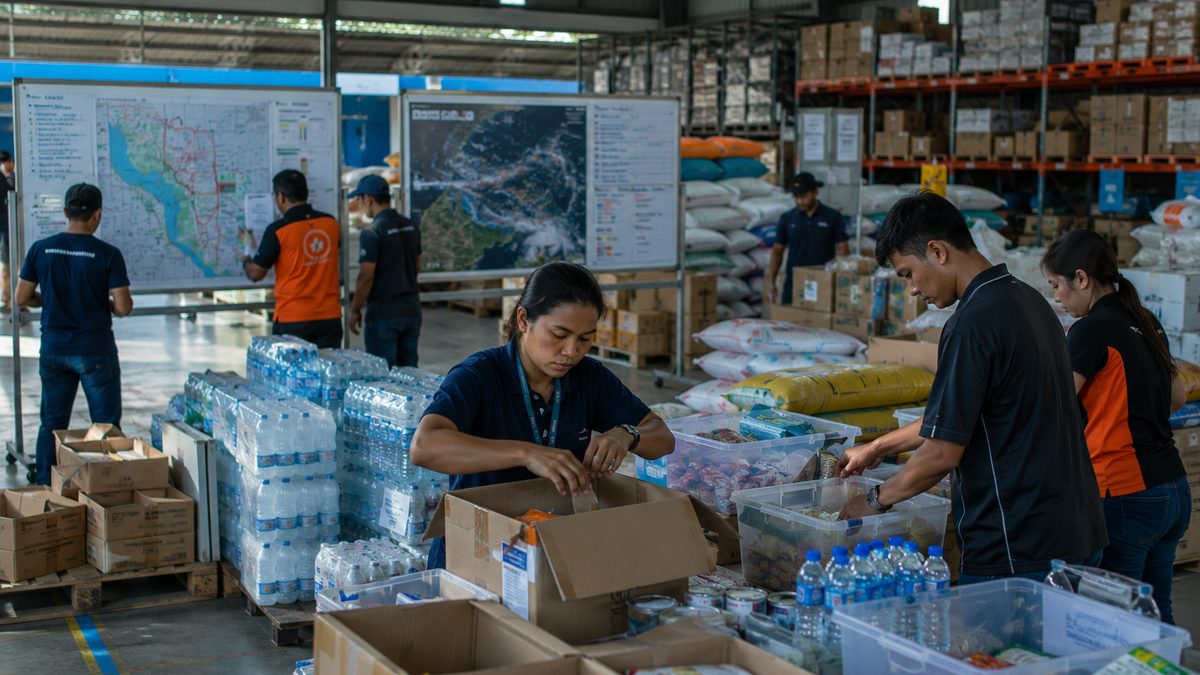
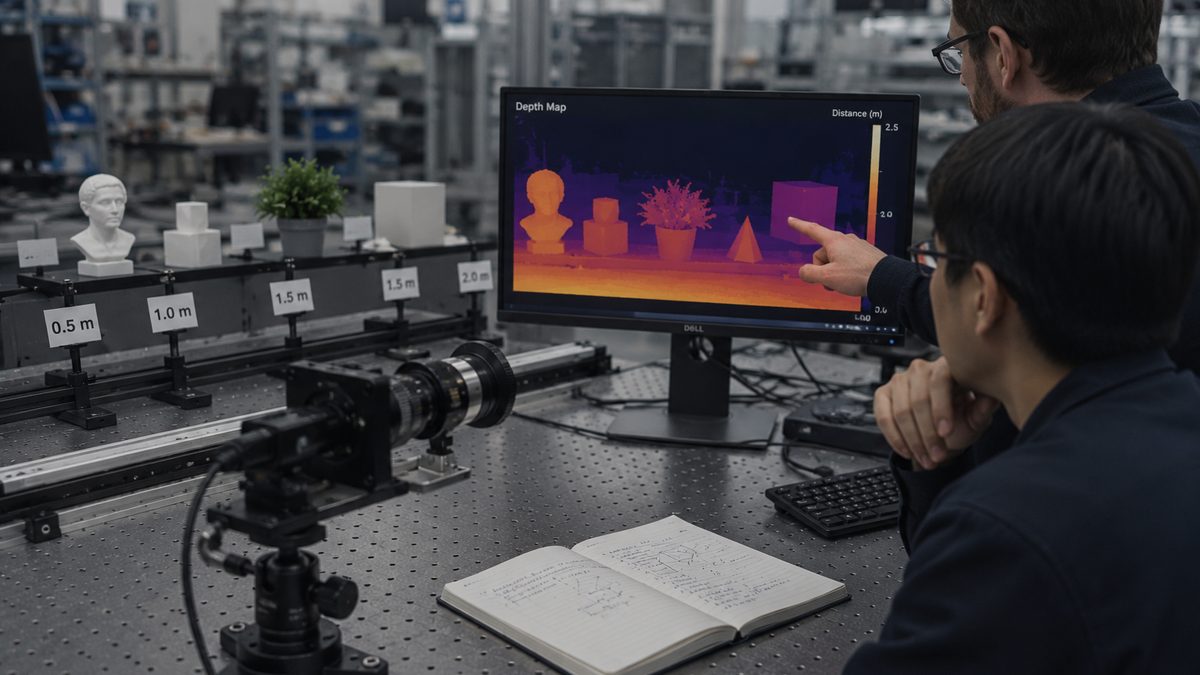
Google is expanding tools meant to show how digital media was created or edited, but labels and provenance systems are only part of the answer. Editorial illustration by TheDailyGlobe.
Key Facts
- Google announced expanded content transparency and verification tools across several products.
- Google said SynthID has watermarked more than 100 billion images and videos and 60,000 years of audio.
- Google said it uses C2PA Content Credentials across a growing number of generative media tools.
- Google said Pixel camera Content Credentials support is expanding to video on Pixel 8, 9 and 10 phones in the coming weeks.
- Content labels and provenance systems can help users evaluate media, but they do not solve every synthetic-media problem.
Google is expanding tools meant to help people understand whether online images, video and audio were created or edited with artificial intelligence.
The company announced expanded content transparency and verification tools across several products, including Search, Gemini, Chrome, Pixel and Cloud. Google said its SynthID technology has watermarked more than 100 billion images and videos and 60,000 years of audio. It also said it is using C2PA Content Credentials across a growing number of generative media tools.
For ordinary readers, the issue is not abstract. AI-generated media is getting easier to make and harder to spot. A label, watermark or provenance record can help answer a simple question: what am I looking at, and do I know where it came from?
What These Labels Are Trying to Show
Content transparency tools are meant to give people more context about digital media. In the simplest version, that context may show whether something was created by an AI tool, edited after capture or connected to a device or software system that supports provenance records.
Google's SynthID is a watermarking technology. It is designed to embed signals into AI-generated media so that the content can later be identified as synthetic or AI-created under supported conditions. Google is presenting it as one piece of a wider system for labeling and verification.
Content Credentials work differently. They are part of a broader provenance standard from the Coalition for Content Provenance and Authenticity, known as C2PA. The goal is to attach information about how a piece of media was made, edited or handled, so viewers have a better chance of understanding its origin.
Why This Matters for Readers
A few years ago, many fake or manipulated images could be spotted by obvious flaws. Hands looked strange. Faces melted. Text appeared garbled. Those clues still show up, but they are less reliable as AI tools improve.
That matters during elections, breaking-news events, wars, disasters, celebrity stories and local controversies. A convincing image or audio clip can spread quickly before anyone checks whether it is real, altered, AI-generated or taken out of context.
Labels can slow that confusion down. They can give readers a reason to pause before sharing. They can also help platforms, journalists and fact-checkers trace whether media came from a camera, a generative tool or an edited file.
Where Google Says the Tools Are Expanding
Google said its content-transparency work is expanding across several parts of its ecosystem. That includes Search, where people often encounter images and videos while trying to understand what is happening; Gemini, where generative media can be created; Chrome, where people browse the open web; Pixel devices, where media can be captured; and Cloud, where developers and businesses may use media-related tools.
The Pixel update is especially practical. Google said Content Credentials support for Pixel camera video is coming to Pixel 8, 9 and 10 phones in the coming weeks. If implemented clearly, that kind of device-level provenance could help show that a video came from a real camera workflow rather than only from an AI generator or editing pipeline.
Still, the details matter. A feature can be useful without being universal. Users may not see the same information across every app, device, country, platform or file type. Some media will carry provenance data. Some will not.
What Labels Cannot Fix
Google's announcement should not be read as a guarantee that every AI-generated image, video or audio clip can now be detected. Provenance systems depend on adoption, implementation and whether platforms preserve the information attached to a file.
Metadata can be stripped. Screenshots can separate an image from its original record. Bad actors can avoid systems that add labels. Platforms may display credentials differently, and users may not know what the labels mean.
That is why content labels are best understood as a helpful signal, not a final verdict. They can tell readers more than they had before, but they do not remove the need for source checking, careful reporting and basic skepticism when media appears during emotional or fast-moving events.
The Trust Problem Is Bigger Than One Company
The broader challenge is that online trust now depends on more than whether something looks real. Readers need to know who made it, when it was made, whether it was edited and whether the platform showing it has preserved useful context.
Google's expansion may help because the company touches so many parts of how people search, browse, create and view media. But a system like this works best when many companies, devices, publishers and platforms support similar standards.
For now, the most useful takeaway is balanced: labels and provenance tools can make synthetic media easier to understand, but they are not a shield against every fake, misleading edit or out-of-context post. They give readers another clue. They do not replace judgment.
Reporting note: Reporting draws on Google product announcements, content provenance standards materials, and reviewed background materials. This article was produced with AI-assisted research and reviewed by an editor before publication.