AWS Outage Shows How Cloud Infrastructure Failures Can Ripple Through Finance and Apps
A recent AWS outage tied to overheating in a northern Virginia data center disrupted services including Coinbase and highlighted how dependent modern apps and financial platforms remain on physical infrastructure.
Save Article
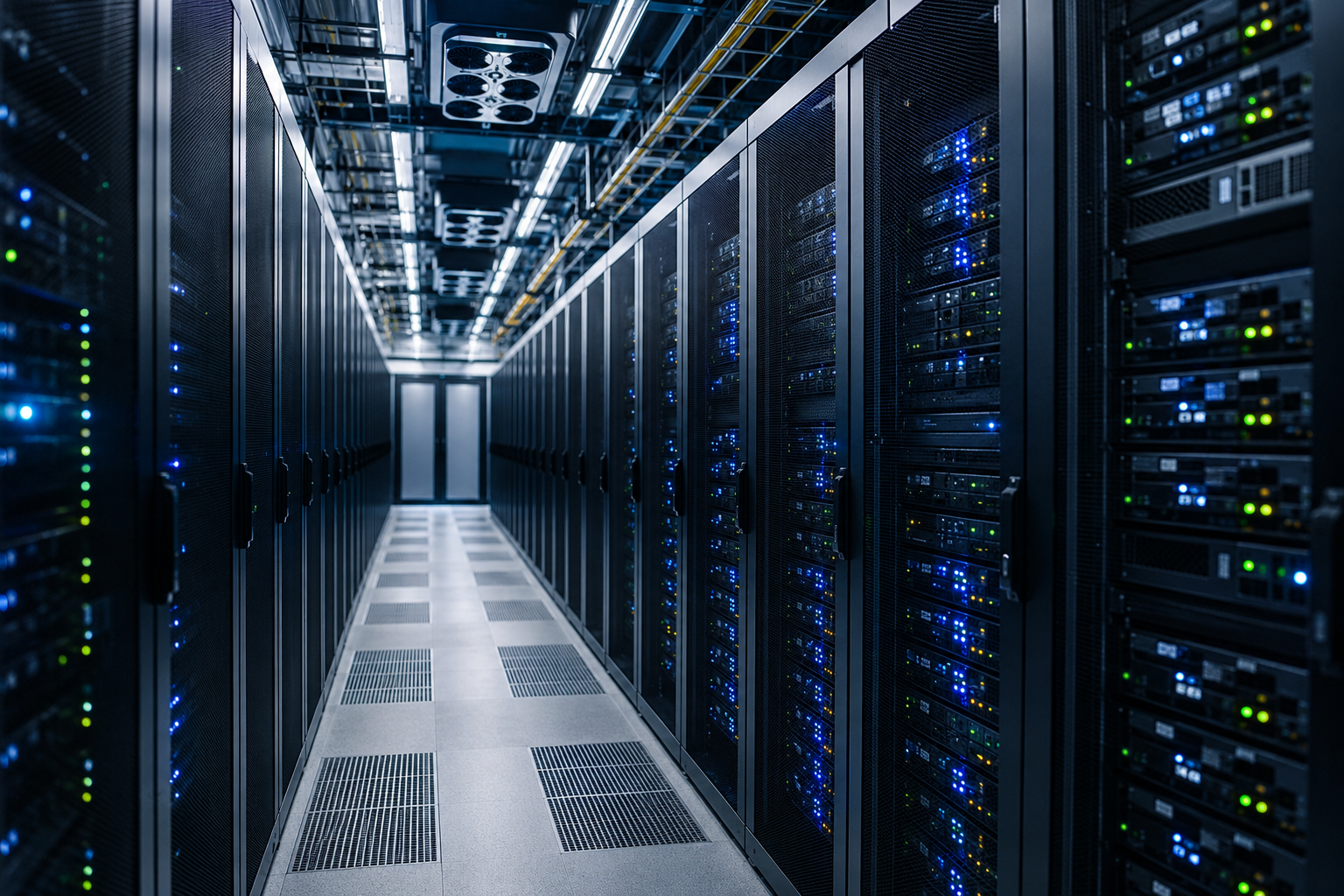
A recent AWS outage tied to overheating in a northern Virginia data center disrupted services including Coinbase and highlighted how dependent modern apps and financial platforms remain on physical infrastructure. Editorial illustration by TheDailyGlobe.
Amazon Web Services restored most services after an outage tied to overheating at a northern Virginia data center disrupted access for some customers, including cryptocurrency platform Coinbase. The incident offered a reminder that even services described as "the cloud" still depend on physical buildings, electrical systems, and cooling equipment operating correctly in the real world.
Reuters reported AWS said a rapid temperature spike at one data center caused power disruptions that affected service availability. Coinbase later said its systems were restored after users experienced interruptions during the outage.
Northern Virginia is one of the world's largest concentrations of internet infrastructure and cloud computing facilities. Many major online services rely on AWS systems located in the region, either directly or through vendors and software providers that use Amazon's cloud platform behind the scenes.
Why One Data Center Problem Can Spread Widely
Cloud providers design their systems with backup capacity and redundancy, but outages can still create ripple effects when services are heavily concentrated in one region. Companies often distribute applications across multiple data centers, yet some systems may still depend on shared databases, networking tools, or authentication systems tied to a single location.
That means a problem involving power or cooling inside one facility can sometimes affect financial platforms, streaming services, business software, and mobile apps at nearly the same time. In many cases, users may not realize multiple services rely on the same cloud provider until disruptions happen.
The AWS incident also highlighted the importance of environmental controls inside data centers. Servers generate large amounts of heat and must stay within carefully managed temperature ranges to avoid hardware damage or automatic shutdowns.
The Physical Side of the Cloud
The term "cloud computing" can make digital services seem abstract or detached from physical infrastructure. In reality, cloud platforms run inside enormous facilities filled with servers, networking equipment, backup batteries, cooling systems, and power-management hardware.
Modern data centers consume large amounts of electricity and require constant cooling to keep equipment operating safely. Operators use industrial air systems, chilled water systems, and backup power equipment to maintain stable conditions around the clock.
As demand for artificial intelligence, streaming, and online financial services continues growing, cloud companies are building larger and denser facilities that place even greater pressure on energy and cooling systems. Industry analysts have increasingly warned that heat management and electrical reliability are becoming critical operational challenges.
Why Businesses Care About Redundancy
For businesses that rely on cloud infrastructure, outages can lead to lost transactions, interrupted communications, delayed operations, and customer frustration. Financial platforms and trading-related services can face particular pressure because even short disruptions may affect account access or transaction timing.
Many companies attempt to reduce risk by spreading services across multiple geographic regions or even multiple cloud providers. However, building fully redundant systems can be expensive and technically difficult, especially for smaller companies or startups.
The AWS disruption did not lead to a prolonged internet-wide shutdown, and services were largely restored after the issue was addressed. Still, the event renewed attention on how much of the digital economy depends on a relatively small number of cloud infrastructure providers.
What Consumers Should Understand
For everyday users, cloud outages usually appear as temporary app failures, delayed payments, login problems, or missing updates. The underlying cause may involve technical systems far removed from the app itself, including networking equipment, regional infrastructure, or environmental controls inside a data center.
Experts generally do not view incidents like this as signs the internet is unstable overall. Instead, they are reminders that highly connected systems still depend on physical infrastructure that requires maintenance, planning, and backup protections.
As more banking, entertainment, work, and communication tools move online, cloud resilience is becoming less of a niche technology issue and more of a basic public infrastructure concern. Outages tied to something as simple as overheating can quickly affect millions of users across multiple industries.
Reporting note: Reporting draws on Reuters reporting, company service updates, and reviewed background context on cloud infrastructure and data center operations. All claims This article was produced with AI-assisted research and reviewed by an editor before publication.