A Quieter Hurricane Forecast Still Leaves Coastal Families With Real Risk
NOAA expects a below-normal 2026 Atlantic hurricane season, but forecasters are warning that one landfalling storm can still make the season dangerous for households in its path.
Save Article
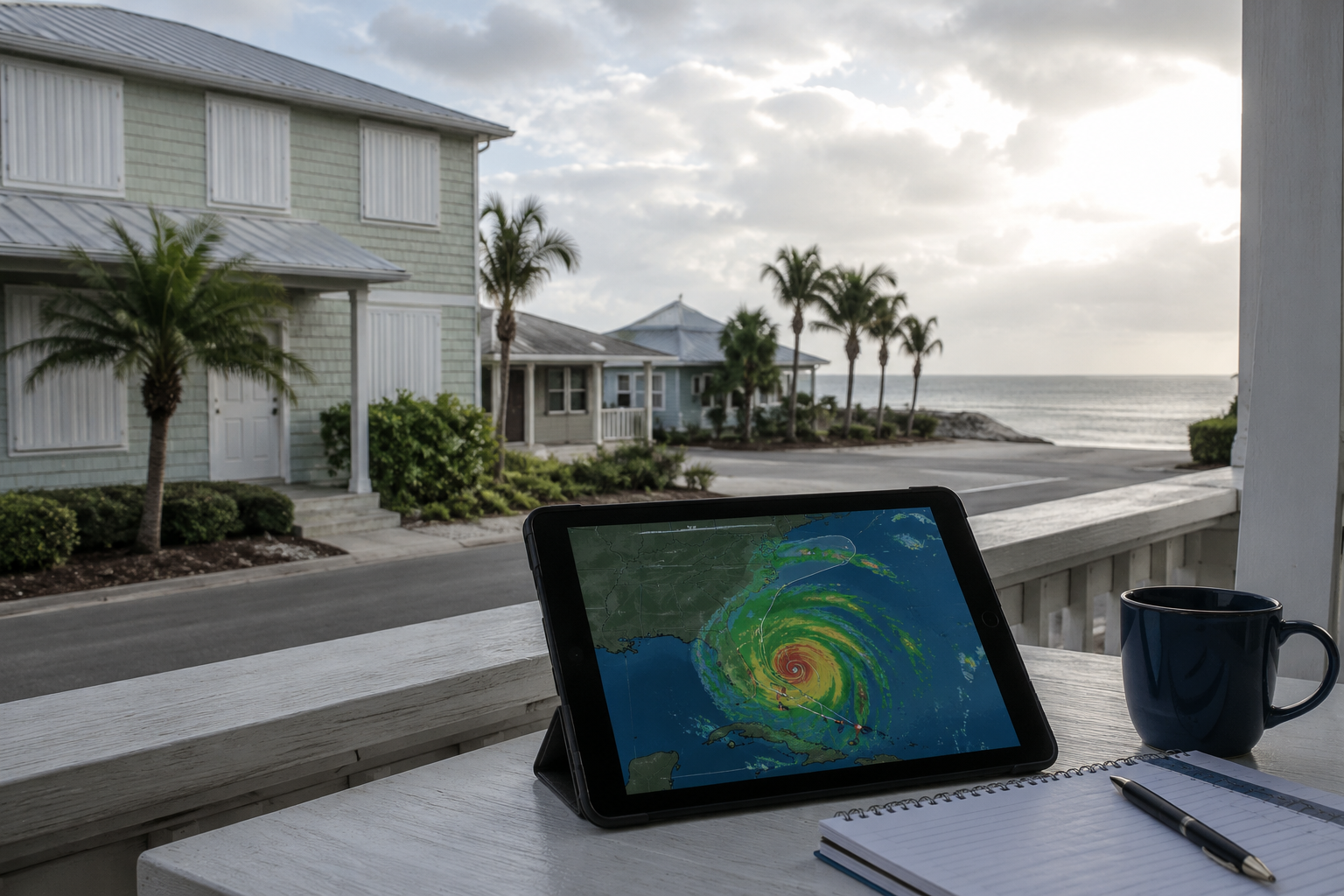
Forecasters expect a quieter Atlantic hurricane season, but preparedness guidance still centers on the risk from any single landfalling storm. Editorial illustration by TheDailyGlobe.
Key Facts
- NOAA forecasts a 55% chance of a below-normal 2026 Atlantic hurricane season.
- NOAA expects 8 to 14 named storms, 3 to 6 hurricanes and 1 to 3 major hurricanes.
- Colorado State University forecasts below-average major hurricane landfall probability.
- CSU also cautions that one landfalling hurricane can make a season dangerous for residents in its path.
- Seasonal hurricane outlooks are probabilistic and cannot identify exact landfall locations months in advance.
A quieter hurricane forecast can sound like permission to relax. For families along the Atlantic and Gulf coasts, the harder question is what to do with that forecast without mistaking lower odds for no risk.
The 2026 Atlantic hurricane season has begun with NOAA calling for a below-normal season. That is good news compared with a forecast for an especially active year, but it does not tell any coastal household whether a storm will approach its town, its road, its roof or its insurance policy.
That is the main point forecasters keep returning to: seasonal outlooks describe overall activity across a basin. They do not predict months ahead where a hurricane will make landfall.
What NOAA Is Forecasting
NOAA’s outlook gives the season a 55% chance of being below normal. The agency forecasts 8 to 14 named storms, with 3 to 6 becoming hurricanes and 1 to 3 becoming major hurricanes.
Those numbers matter because they help emergency managers, insurers, local governments and households think about seasonal risk. A below-normal forecast can shape planning, staffing and public expectations.
But the numbers can also be easy to misunderstand. A season with fewer storms can still include a destructive landfall. A season with many storms can include storms that stay offshore. The category of the season and the lived experience of a community are not the same thing.
Why Below Normal Does Not Mean Safe
Colorado State University’s seasonal forecast points to below-average major hurricane landfall probability, while also reminding coastal residents that it only takes one landfalling hurricane to make a season dangerous.
That warning is not a prediction that a particular place will be hit. It is a reminder about how hurricane risk works. For a family deciding whether to check shutters, review evacuation routes or update supplies, the practical risk is local and personal once a storm threatens land.
That is why a quieter outlook should be read as a planning signal, not a promise. The safest interpretation is that the basin may produce fewer storms than usual, while any storm that does form still deserves close attention.
The El Nino Question
One reason the forecast carries uncertainty is that ocean and atmosphere patterns can change during the season. El Nino development is one factor forecasters are watching because it can affect wind patterns that influence Atlantic storm formation.
The full seasonal picture also depends on Atlantic conditions. Warmer ocean waters can provide fuel for storms, while trade winds and other atmospheric conditions can help or hinder development. The balance between those factors can shift as the season moves toward its peak months.
That does not make the forecast useless. It makes it conditional. Seasonal outlooks are built from the best available data at the time, then refined as conditions become clearer.
What Seasonal Outlooks Can And Cannot Tell You
A seasonal hurricane outlook can tell readers whether forecasters expect the overall Atlantic season to be more active, less active or near normal. It can give a range of expected named storms, hurricanes and major hurricanes. It can also show what climate patterns are shaping the forecast.
It cannot tell a homeowner in June whether a late-summer storm will turn toward their county. It cannot say whether a storm will weaken before landfall, stall over one area, miss the coast or intensify over warm water.
That distinction matters because most hurricane decisions happen much closer to the storm. Seasonal outlooks are useful for preparation. Track forecasts, watches, warnings and local emergency instructions are what matter when a specific storm forms.
What Readers Should Watch Next
The most useful updates will come through the season from NOAA, the National Hurricane Center and university forecast teams such as Colorado State. Those updates can show whether early-season assumptions are holding or whether the risk picture is changing.
Coastal residents and travelers should pay attention to official forecasts once storms develop, especially during the peak months of the Atlantic season. Local guidance will vary by community, and evacuation zones, shelter options and flood risks are not the same everywhere.
The plain reading of the 2026 outlook is this: forecasters expect a quieter Atlantic season than normal, but quieter is not the same as harmless. The season may produce fewer storms, yet one landfalling hurricane can still be enough to make preparation matter.
Reporting note: Reporting draws on NOAA seasonal outlooks, Colorado State University hurricane forecasts, National Hurricane Center materials, and reviewed background materials. This article was produced with AI-assisted research and reviewed by an editor before publication.