NOAA Forecasts a Quieter Atlantic Hurricane Season, but Risk Remains
NOAA expects a below-normal 2026 Atlantic hurricane season, but forecasters warn that even one landfalling storm can make the season dangerous.
Save Article
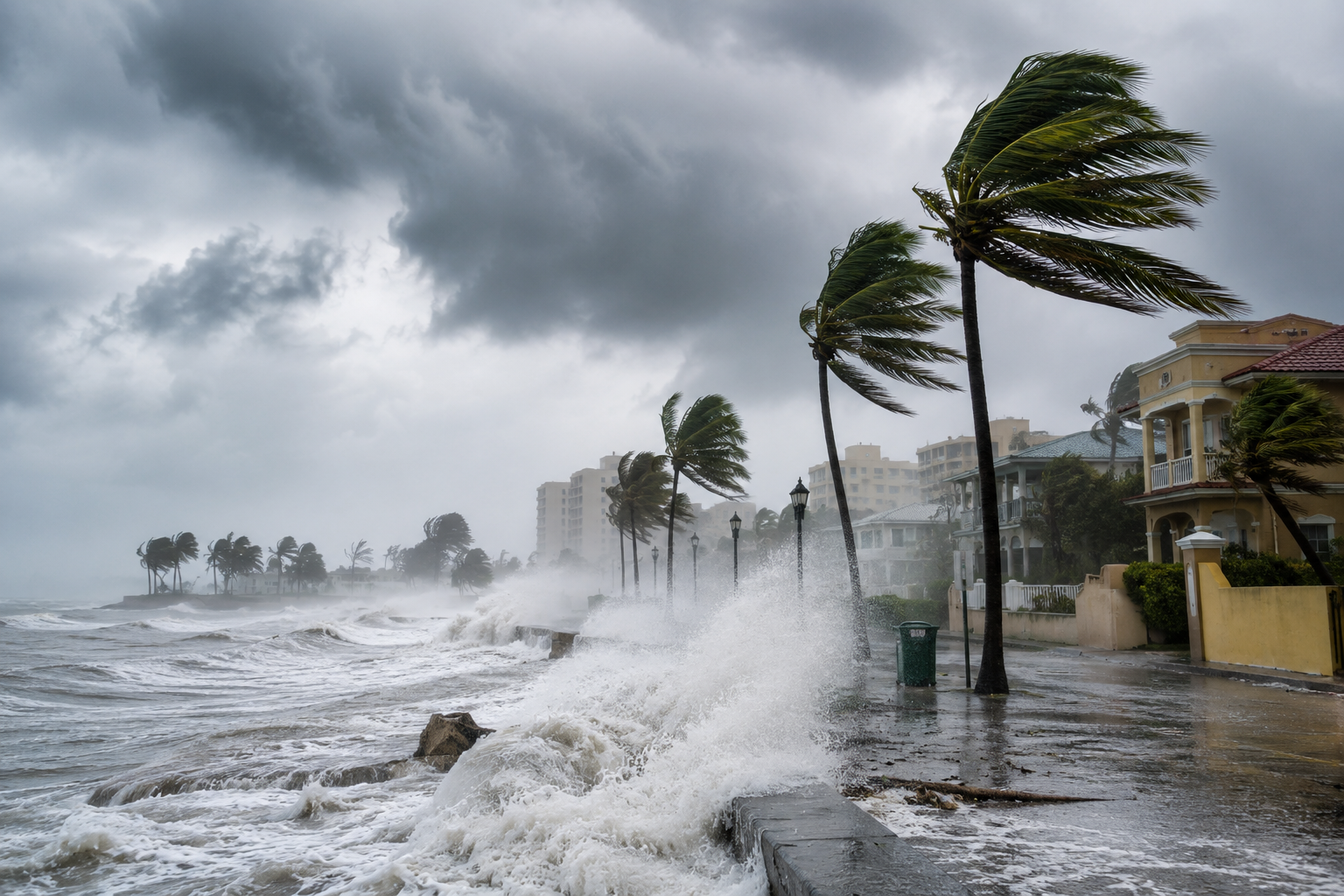
NOAA expects a below-normal 2026 Atlantic hurricane season, but forecasters warn that even one landfalling storm can make the season dangerous. Editorial illustration by TheDailyGlobe.
Key Facts
- NOAA's 2026 Atlantic outlook predicts, with 70% probability, 8 to 14 named storms, 3 to 6 hurricanes and 1 to 3 major hurricanes.
- NOAA gives the season a 55% chance of below-normal activity, 35% chance of near-normal activity and 10% chance of above-normal activity.
- NOAA Climate Prediction Center's seasonal discussion says El Nino is likely to emerge soon and continue into winter 2026-27.
- Colorado State University also forecast a somewhat below-normal Atlantic season.
- CSU warned that it only takes one landfalling hurricane to make a season damaging.
NOAA is forecasting a quieter Atlantic hurricane season than recent years, but forecasters are warning coastal residents not to treat that as an all-clear.
The agency's 2026 Atlantic hurricane outlook gives the season a 55% chance of below-normal activity, a 35% chance of near-normal activity and a 10% chance of above-normal activity. NOAA predicts, with 70% probability, 8 to 14 named storms, 3 to 6 hurricanes and 1 to 3 major hurricanes.
For readers, the practical point is simple: a basin-wide outlook can suggest fewer storms overall, but it cannot tell a family in Florida, Texas, Louisiana, the Carolinas or the Northeast whether a storm will come near their home.
What the Forecast Says
NOAA's outlook is a seasonal forecast for the entire Atlantic basin. It estimates how active the season may be overall, not where storms will form, how strong any individual storm will become or whether a storm will make landfall.
That distinction matters every year. A season can produce fewer storms than average and still bring a destructive hurricane to one coastline. Another season can produce many storms that stay over open water and cause less direct damage in the United States.
Colorado State University's hurricane team also forecast a somewhat below-normal Atlantic season and included the warning that matters most for homeowners and local officials: it only takes one landfalling hurricane to make a season damaging.
Why El Nino Matters
One reason forecasters are watching for a quieter Atlantic season is the expected return of El Nino. NOAA's Climate Prediction Center said El Nino is likely to emerge soon and continue into winter 2026-27.
El Nino can influence hurricane activity by changing wind patterns over the Atlantic. In many seasons, those patterns can make it harder for tropical storms to organize and strengthen. That is one reason El Nino years are often associated with reduced Atlantic hurricane activity.
But El Nino is not a shield. It can lower the odds of a busy season without eliminating hurricane risk. If conditions line up in one part of the ocean at the wrong time, a dangerous storm can still form and threaten land.
Why a Quieter Season Can Still Be Dangerous
The phrase below-normal can sound reassuring, but it can also be misleading if readers hear it as safe. Hurricane risk is local. A family does not experience the average number of named storms. It experiences the storm that reaches its town.
That is why emergency managers usually focus on preparation before there is a named storm on the map. A seasonal outlook gives broad context, but the choices that protect people are practical: knowing evacuation zones, checking insurance, preparing supplies and following local warnings when a storm is actually approaching.
The forecast also cannot settle questions about storm surge, rainfall flooding or power outages months in advance. Those risks depend on the size, track, speed and timing of individual storms, not only on how many storms form across the whole season.
What Readers Should Watch as June Begins
The Atlantic hurricane season begins June 1. Early in the season, readers should treat the NOAA outlook as background, not a day-to-day storm warning.
The more important updates will come when forecasters begin tracking specific systems. At that point, local risk depends on the storm's projected path, intensity, rainfall potential and timing. Local National Weather Service offices, emergency managers and state officials will be more useful than broad seasonal averages.
For coastal households, the useful response is not fear. It is preparation that can be done before the weather turns urgent: review evacuation routes, make sure phones and backup chargers work, gather basic supplies and know where official local alerts will come from.
What Remains Unclear
Seasonal hurricane outlooks do not predict landfall. NOAA's forecast can estimate the likely range of named storms and hurricanes, but it cannot say which communities will face the highest risk months ahead of time.
It also remains uncertain how strongly El Nino will shape the season in practice. El Nino can reduce Atlantic activity, but the final season will depend on ocean temperatures, wind patterns, atmospheric moisture and short-term weather conditions that develop over time.
For readers, the balanced message is this: the 2026 Atlantic season may be quieter than normal, but quiet is not the same as harmless. The forecast is a reason to stay informed, not a reason to ignore preparation.
Reporting note: Reporting draws on NOAA seasonal outlooks, NOAA Climate Prediction Center forecast discussions, Colorado State University hurricane forecasting materials, and established weather reporting. This article was produced with AI-assisted research and reviewed by an editor before publication.