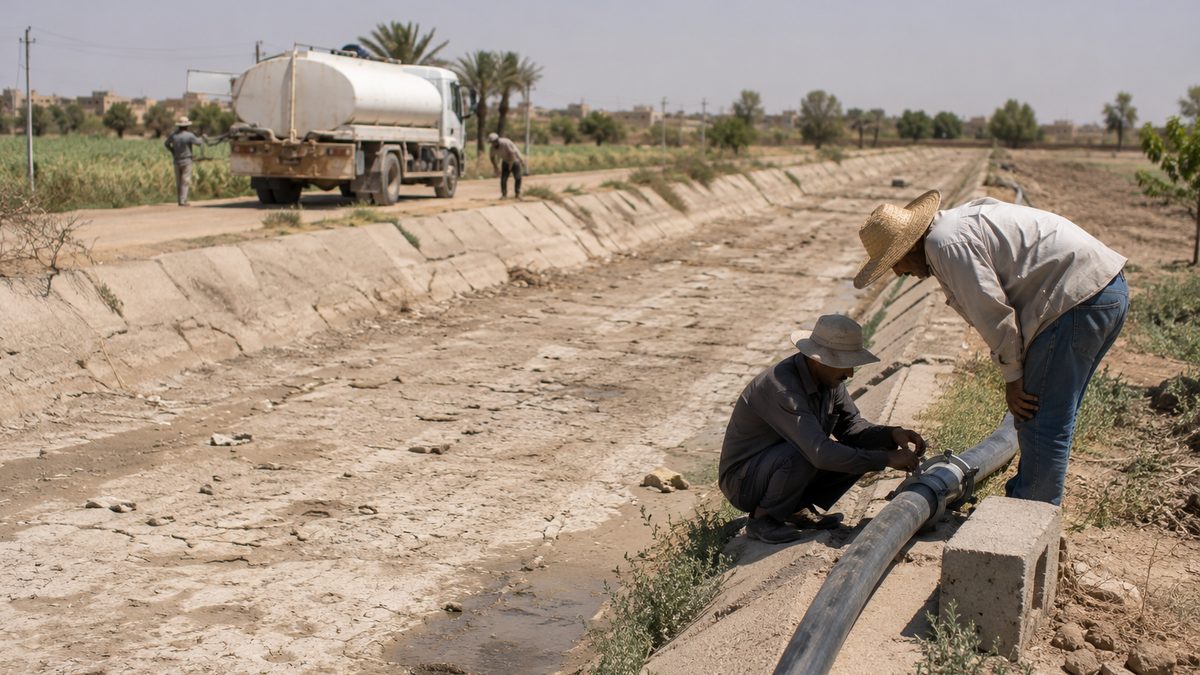
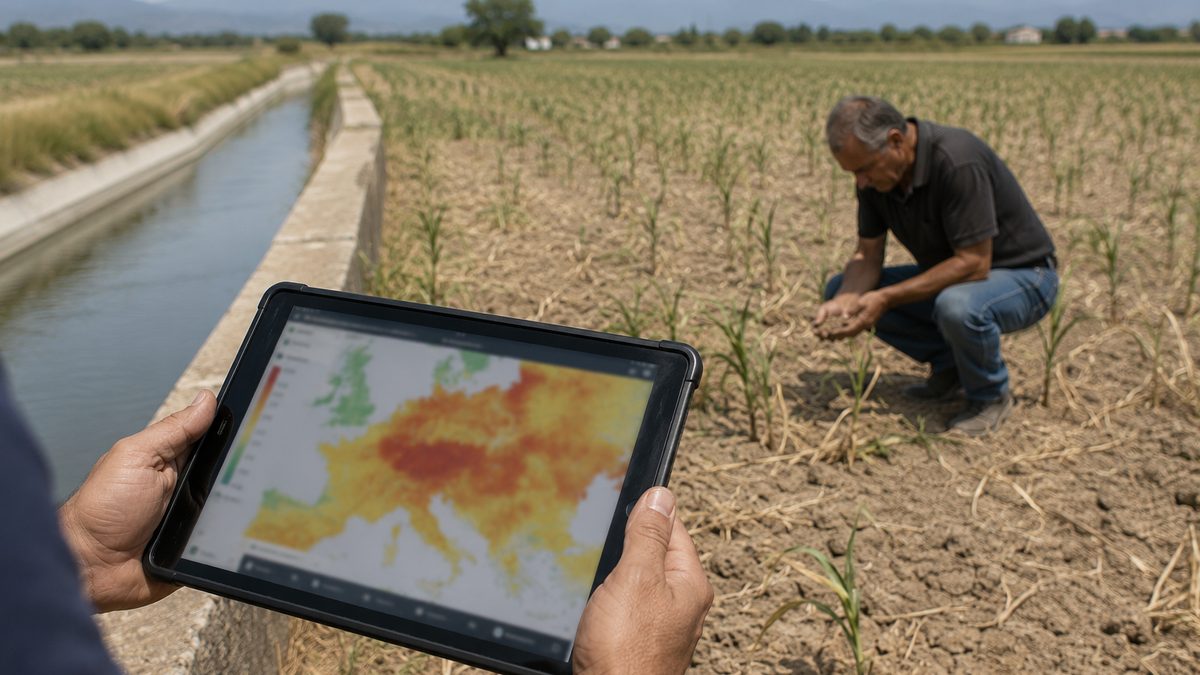
Groundwater Helps Explain Why Drought Can Last Beyond the Weather
USGS materials show why rain alone does not always end water stress, especially when groundwater, wells, rivers and farms are part of the picture.
Save Article
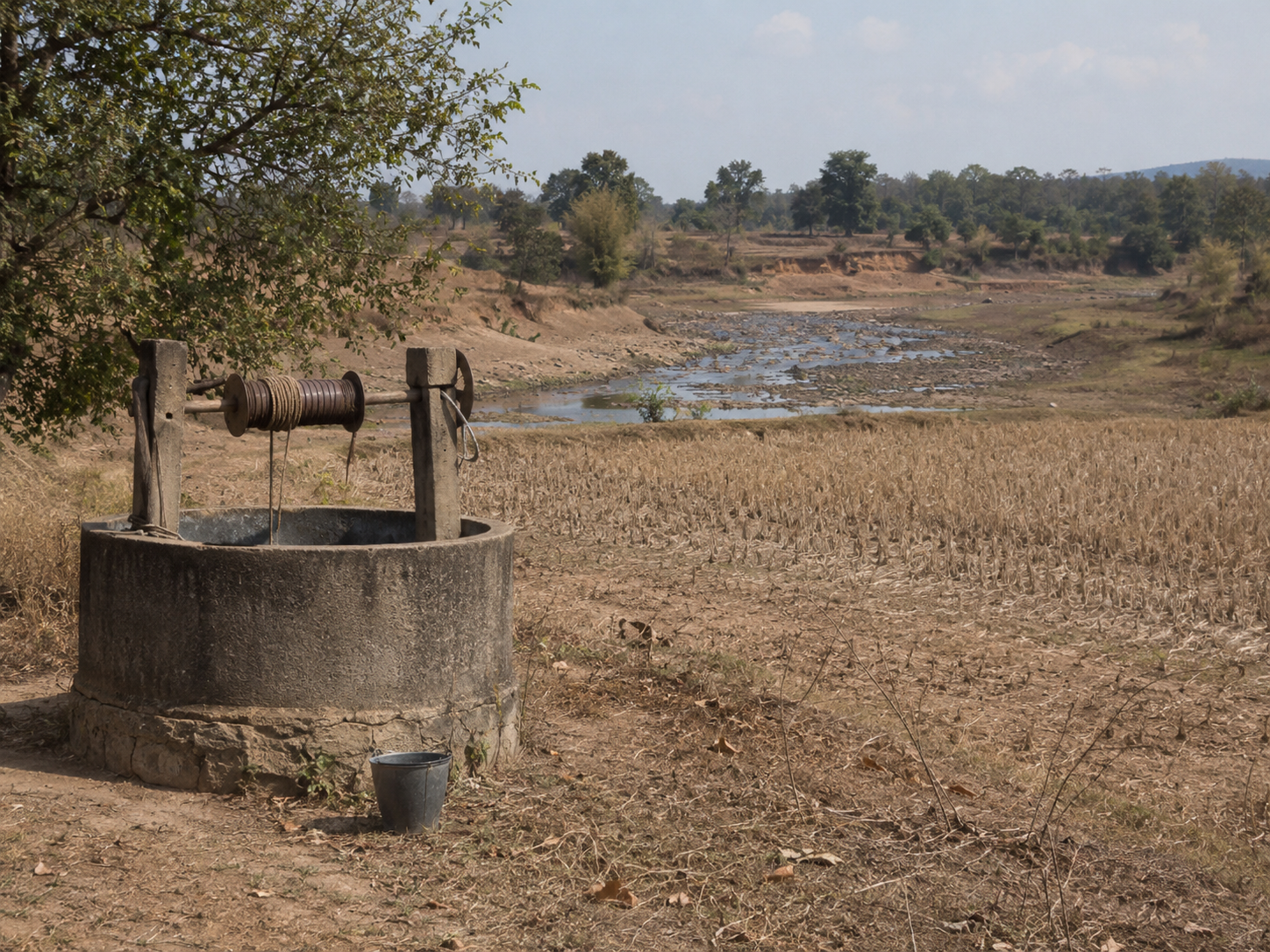
Groundwater helps sustain drinking water, agriculture and rivers, making drought recovery more complicated than rainfall alone. Editorial illustration by TheDailyGlobe.
Key Facts
- USGS says groundwater is used for drinking water, agriculture, industry, and sustaining vegetation and wildlife.
- USGS says more than 50 percent of streamflow in rivers comes from groundwater.
- USGS says groundwater and surface water are interconnected resources.
- USGS says groundwater decline is a serious problem in many places.
A community can finally get rain and still have water worries.
The fields may look less dry. Streams may rise. Lawns may green up. But below the surface, groundwater can tell a slower story. That hidden water supply helps explain why drought recovery is not always as simple as waiting for the next storm.
Groundwater matters because it is part of everyday water infrastructure, even when people rarely see it. USGS materials connect groundwater to drinking water, agriculture, industry, vegetation, wildlife and streamflow. When groundwater is stressed, the effects can reach homes, farms, rivers and long-term water planning.
Why Rain Does Not Tell the Whole Story
Most people experience drought through visible signs: dry lawns, low rivers, dusty fields, wildfire risk or water restrictions. Groundwater is harder to see, but it can be just as important.
Groundwater is water stored beneath the surface in soil and rock. It can feed wells, support plants and contribute to streams and rivers. USGS says groundwater and surface water are interconnected, which means water below ground and water above ground are not separate systems.
That connection helps explain why drought can linger. Rain may improve surface conditions quickly, but groundwater may recover more slowly depending on the aquifer, the amount of recharge, how much water has been pumped and how long dry conditions lasted.
The Hidden Role Beneath Rivers and Farms
Groundwater is not only a rural well issue. USGS says more than half of streamflow in rivers comes from groundwater. That means groundwater can help sustain rivers during drier periods, when surface runoff is limited.
For agriculture, groundwater can be a backup supply when rain is scarce. For households, especially in rural areas, it can be the water source coming from a private or community well. For ecosystems, it can help support vegetation, wildlife and stream conditions that depend on steady water availability.
Those roles make groundwater part of drought resilience. If too much groundwater is withdrawn during dry periods, or if recharge does not keep pace, the stress can last beyond the weather event that first made the drought visible.
Why Groundwater Decline Matters
USGS describes groundwater decline as a serious problem in many places. The reasons can vary, but pumping, drought, climate patterns and local geology can all shape how an aquifer responds over time.
The effects are not uniform. One region may have deep aquifers that respond slowly. Another may depend on shallow groundwater that reacts more quickly to dry weather or pumping. A farming area may face different pressures than a city water system or a rural community served by private wells.
That is why national groundwater stories need caution. There is no single groundwater condition that applies everywhere. Local aquifer data, pumping patterns, recharge rates and water-management decisions matter.
What Drought Recovery Really Requires
Drought recovery is not only about whether rain returns. It is also about where the water goes, how much reaches the ground, how much replenishes aquifers and how much is being used by people, farms and industry.
A heavy storm can help a dry landscape, but it may not fully refill groundwater. Some water runs off into streams. Some is taken up by plants. Some evaporates. Some reaches underground storage, but the timing and amount depend on local soil, geology and weather conditions.
That makes groundwater a slower but important part of the water picture. Surface weather can change quickly. Underground reserves often move on a different clock.
What to Watch Next
The most useful signals will come from USGS monitoring, local aquifer data, drought maps and water-management decisions. Together, those sources can show whether a place is recovering at the surface, underground or both.
For readers, the main idea is simple: drought is not always over when the rain comes back. Groundwater helps explain why water stress can continue below the surface, and why planning for drought means watching more than the weather forecast.
Reporting note: Reporting draws on USGS groundwater explainers, federal water science materials, groundwater-drought research, and reviewed science background. This article was produced with AI-assisted research and reviewed by an editor before publication.