Europe’s Early Heat Wave Shows Why Spring Heat Can Carry Summer-Level Risk
Record-setting late-May heat in Europe is a reminder that dangerous temperatures can arrive before people, buildings, and public systems are ready for summer.
Save Article

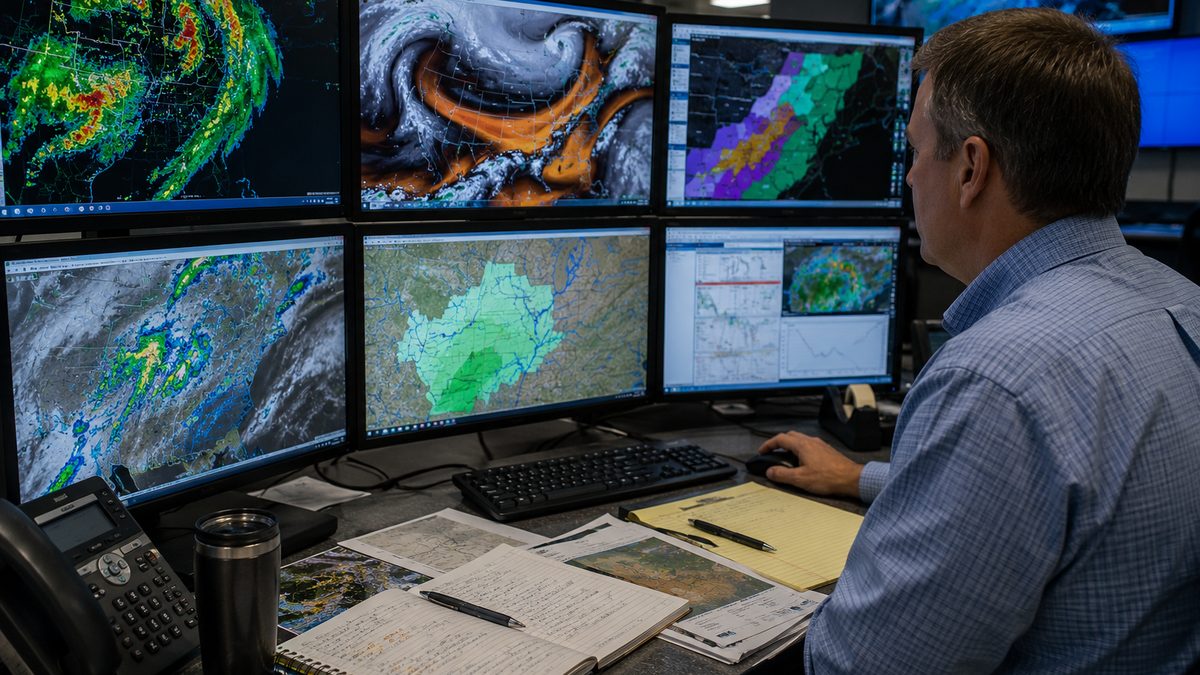
Early-season heat can strain public health systems before communities have adjusted to summer conditions. Editorial illustration by TheDailyGlobe.
Key Facts
- Western Europe experienced a record-breaking early heat wave in late May 2026.
- Reports described unusually high May temperatures in the U.K., France, and Spain.
- Public-health experts warn that early-season heat can be especially dangerous because people have not yet acclimated.
- Climate scientists say human-caused warming is increasing the frequency and intensity of extreme heat events.
- Formal analysis would be needed to determine how much climate change influenced this specific heat wave.
Dangerous heat does not always wait for summer to feel like summer.
That is the practical lesson from Western Europe’s late-May heat wave, where reports described unusually high temperatures and broken records in parts of the United Kingdom, France, and Spain. The calendar still said spring, but the health risks looked more like the middle of a hot summer.
Early heat can catch people and public systems off guard. Families may not have checked cooling systems. Schools may not be prepared for overheated classrooms. Outdoor workers may still be adjusting to the season. Older adults, children, travelers, and people without reliable cooling can face serious risk before summer routines are fully in place.
What Made This Heat Wave Stand Out
The late-May heat wave drew attention because it arrived early and pushed temperatures unusually high for the season. Reports from Europe described records falling during a period when many communities are not yet operating with full summer heat precautions.
That timing matters. A 95-degree day in August is dangerous, but people may be more prepared for it. The same kind of heat in May can arrive before air-conditioning habits, public cooling plans, work schedules, and school routines have shifted for the season.
Heat risk is also less visible than storms, floods, or fires. There may be no dramatic image of damage at first. But the danger can build quietly inside apartments, classrooms, nursing homes, transit systems, and outdoor job sites.
Why Early Heat Can Be Harder on the Body
Public-health experts warn that early-season heat can be especially risky because the body has not had much time to adjust. Acclimation is the gradual process of getting used to hotter conditions. When heat arrives suddenly, people may underestimate how much strain it can place on them.
The risk is not the same for everyone. Older adults, young children, people with certain health conditions, outdoor workers, and people without dependable cooling are often more vulnerable. Travelers can also be caught off guard if they arrive in a city during a heat wave without knowing local warnings or where to find shade, water, or cooler indoor spaces.
Schools, employers, local governments, and health agencies face their own version of the same problem. Heat plans are easier to manage when they are expected. Early heat compresses the preparation window.
What Climate Science Can and Cannot Say
Scientists have been clear on the broader trend: human-caused warming is increasing the frequency and intensity of extreme heat events. That does not mean every hot day can be casually pinned on climate change in the same way.
For this specific European heat wave, careful wording matters. Reports and expert analysis place the event within a warming climate, but a formal attribution study would be needed to estimate how much climate change changed the odds or intensity of this exact event.
That distinction is important for readers. Weather is the event people experience on a given day or week. Climate is the long-term pattern that shapes the odds of those events. A single heat wave is weather. More frequent and more intense heat waves are part of the climate story scientists have been warning about.
What Remains Unclear
The full health impact of the late-May heat may not be clear right away. Heat-related illness and deaths can be updated later as authorities review medical records, local conditions, and indirect effects.
It also remains unclear whether the same weather pattern will persist, break quickly, or reappear later in the summer. Heat waves can be shaped by regional pressure patterns, local conditions, and larger atmospheric behavior that changes over time.
For now, the strongest conclusion is also the most practical one: early heat deserves to be treated as a public-safety issue, not just an unusual weather headline.
What to Watch as Summer Nears
The next questions are local and seasonal. Weather agencies and health officials will be watching whether heat warnings expand, whether temperatures ease, and whether similar early-season heat patterns appear elsewhere.
For readers, the lesson travels beyond Europe. Heat preparation is not only a midsummer concern. Checking cooling options, watching heat-health alerts, adjusting outdoor work or exercise, and keeping an eye on older relatives or neighbors can matter before the season officially feels underway.
The uncomfortable part of early heat is that it can feel like an exception until it is not. A hot spring week may pass quickly, but it can still show where homes, schools, workplaces, and cities are not ready for the heat that is coming next.
Reporting note: Reporting draws on weather reporting, climate-health expert analysis, official weather-agency context, and reviewed background materials. This article was produced with AI-assisted research and reviewed by an editor before publication.