Justice Department Scraps Anti-Weaponization Fund After Backlash
A Justice Department fund tied to Trump v. IRS will not move forward after criticism, court setbacks and congressional scrutiny.
Save Article
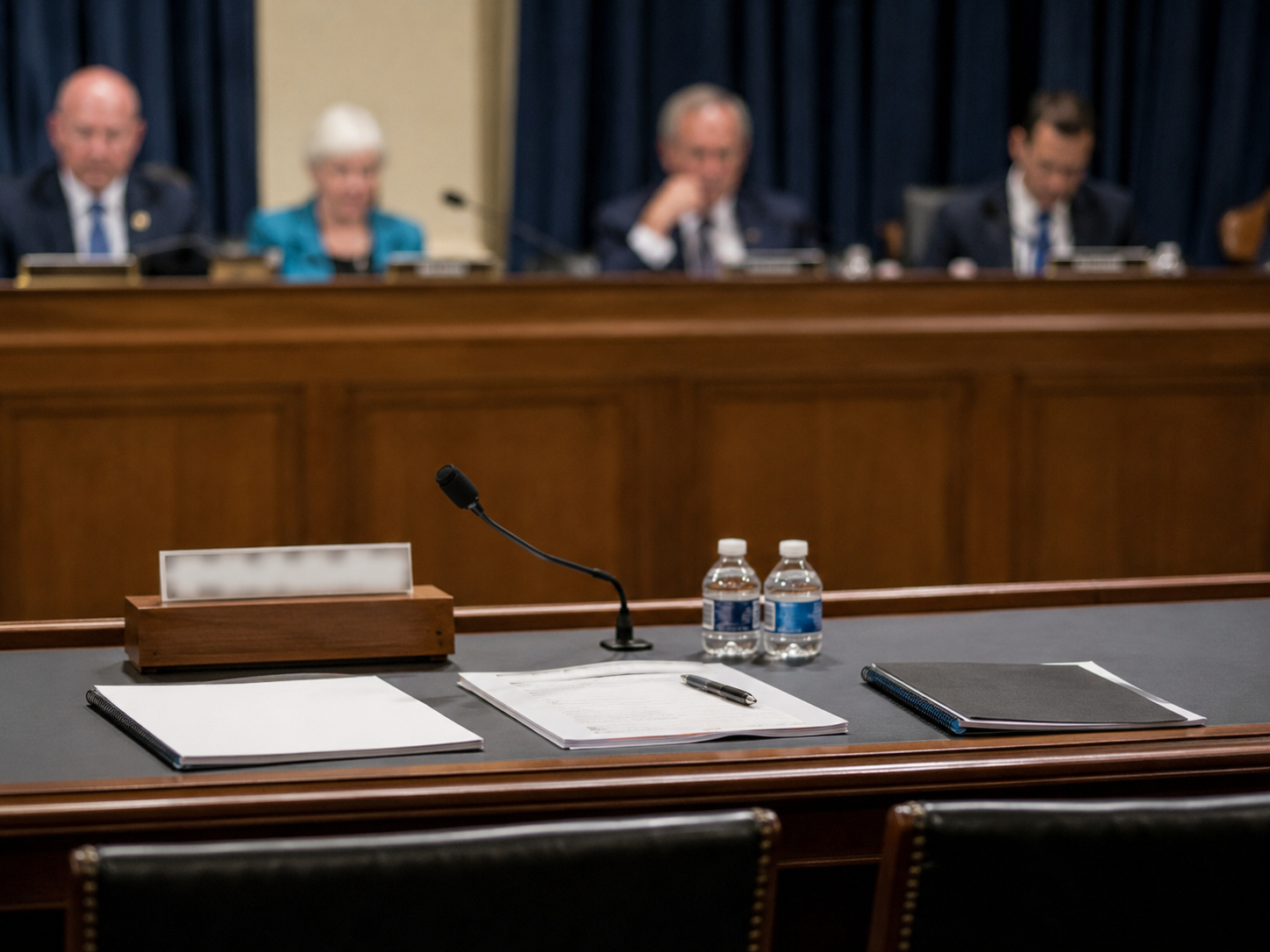
A Justice Department fund tied to a presidential legal settlement drew court scrutiny and congressional backlash before officials said it would not proceed. Editorial illustration by TheDailyGlobe.
Key Facts
- Acting Attorney General Todd Blanche said at a House hearing that the Justice Department is not moving forward with the fund.
- The Justice Department announced the fund on May 18, 2026, as part of the Trump v. Internal Revenue Service settlement.
- The Associated Press reported that the fund had faced court setbacks and criticism from Democrats and Republicans.
- AP reported that Blanche said other parts of the IRS settlement were unchanged.
When federal money is tied to a president's legal settlement, the public accountability question is straightforward: who controls it, who could benefit, and who gets to check the decision?
That question moved to the center of a Justice Department controversy Tuesday after Acting Attorney General Todd Blanche told lawmakers the department is not moving forward with an anti-weaponization fund created as part of the Trump v. Internal Revenue Service settlement.
The reversal does not erase the larger dispute. The fund had drawn criticism across party lines, court scrutiny and questions about whether a settlement involving the president and the IRS could be used to create a broad compensation system for people claiming political targeting.
What Changed at the Hearing
The immediate development is clear: Blanche told the House Appropriations Committee that the department would not proceed with the fund. That statement marked a change from the Justice Department's May announcement, which described the fund as a process to hear and redress claims from people who said they suffered government weaponization or lawfare.
The fund was linked to a settlement in Trump v. IRS, a lawsuit involving the leak of tax information connected to President Donald Trump, his family members and the Trump Organization. The Justice Department's own announcement tied the fund to that settlement.
Blanche's statement narrows the immediate question but does not close the matter. AP reported that he said other parts of the settlement were unchanged, leaving room for continued scrutiny of what remains in the agreement.
Why the Fund Drew Scrutiny
Critics raised two broad concerns. The first was oversight: whether the fund had enough guardrails for deciding who could receive money and under what standards. The second was conflict and political benefit: whether a fund created through a presidential legal settlement could end up benefiting Trump allies or people connected to politically charged cases.
Those are criticisms, not settled legal findings. They should be treated as part of the public dispute around the fund, not as proof of wrongdoing. But they explain why the proposal quickly became more than a technical settlement issue.
AP reported that lawmakers from both parties criticized the fund. The unusual mix of legal, spending and political questions made the issue difficult for the department to frame as routine.
The Court Questions Are Not Over
The fund also faced court scrutiny. AP reported that a Florida judge raised the prospect of reopening the IRS lawsuit because of allegations of improper dealing. That does not mean a final ruling has resolved the broader settlement dispute.
The important distinction is that the department now says the fund will not proceed, while other settlement provisions may still face questions. The legal future of those provisions remains unclear.
That uncertainty matters because settlements involving federal agencies, public money and politically sensitive parties can affect more than the immediate litigants. They also test how courts and Congress oversee executive-branch decisions.
What Remains Unresolved
Several questions remain open. It is not yet clear whether any remaining settlement provisions will face further court review, whether Congress will pursue additional oversight or legislation, or whether related administrative claims could still be filed separately.
Those questions should not be answered by assumption. The record now supports a narrower conclusion: the Justice Department created the fund in May, then said in June that it would not move forward with it after criticism, court setbacks and congressional scrutiny.
For readers, the larger issue is accountability. Federal settlements are not just paperwork when they involve public money, presidential interests and disputed claims of political targeting. The next test is whether the remaining pieces of the agreement receive the same level of public explanation.
What to Watch Next
The next signals will come from the courts, congressional committees and any Justice Department filings or statements about how the remaining settlement terms will be handled.
The fund itself may be off the table for now. The oversight questions that surrounded it are not.
Reporting note: Reporting draws on Associated Press reporting, Justice Department materials, settlement records, congressional hearing coverage, and reviewed background materials. This article was produced with AI-assisted research and reviewed by an editor before publication.