A Kennedy Center Naming Dispute Has Become a Test of How Public Institutions Are Governed
A federal court order requiring the removal of Trump's name from Kennedy Center materials has focused attention on a broader question: who has legal authority to reshape public institutions.
Save Article
Public institutions depend on legal authority as much as leadership. Editorial illustration by TheDailyGlobe.
Key Facts
- A federal judge ordered Trump's name removed from Kennedy Center signage and materials.
- Reporting indicates removal work began around the court-imposed deadline.
- The board sought additional legal relief as appeal efforts moved forward.
- The dispute centers on legal authority over a public institution.
- Questions remain about how the appeal process will proceed.
Public institutions are designed to outlast the people who temporarily lead them. Whether the institution is a courthouse, a museum, or a performing arts center, its authority typically comes from laws, governing structures, and public mandates rather than the preferences of any one political figure.
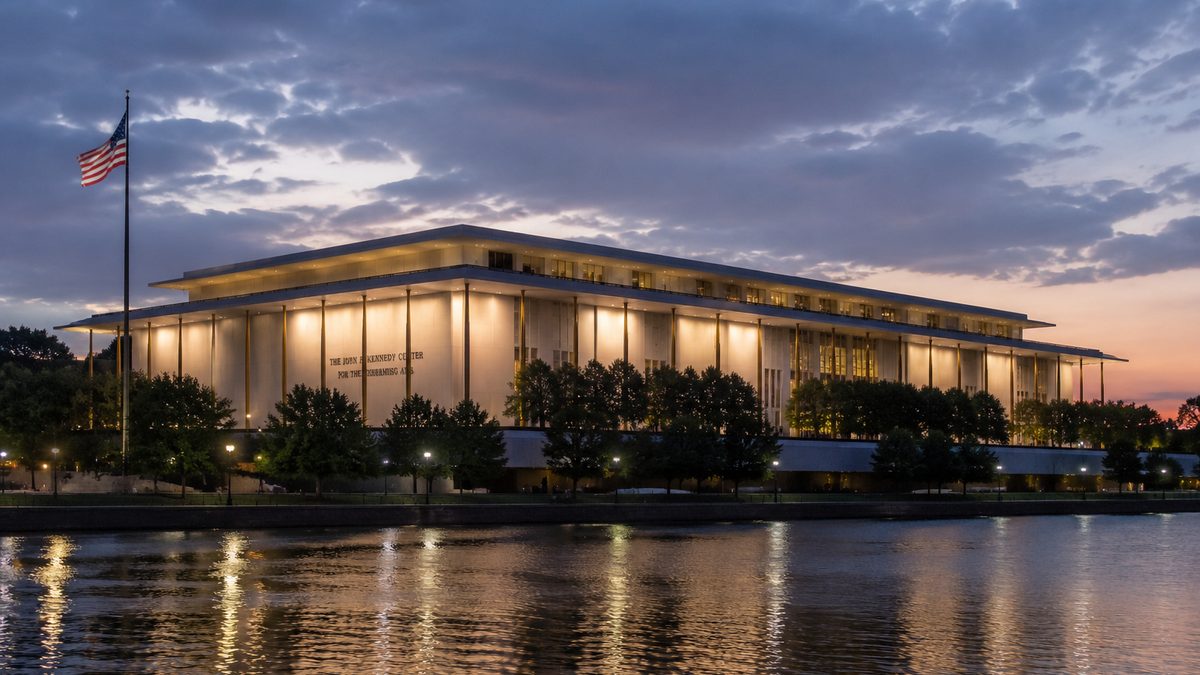
That principle sits at the center of a legal dispute involving the Kennedy Center. What began as a fight over naming rights has evolved into a broader debate about who has the authority to alter a nationally recognized public institution and where courts fit into that process.
On June 12, a federal judge ordered Trump's name removed from Kennedy Center signage and materials, according to court-related reporting and multiple news accounts. The ruling immediately triggered additional legal maneuvering as the board sought further relief while appeal efforts continue.
More Than a Naming Dispute
At first glance, the case may appear to be a disagreement over signage. But the underlying legal question is larger than the name attached to a building or program.
The central issue is whether those involved had the lawful authority to make the naming change in the first place. Court proceedings and public arguments have focused on the limits of institutional power, the role of governing bodies, and the procedures required when altering a public institution established through federal law and congressional action.
For readers who do not closely follow arts governance, the dispute serves as a reminder that public institutions operate within legal frameworks that can limit what boards, executives, or political leaders may do, even when they control day-to-day operations.
What the Court Decided
According to reporting on the case, the judge concluded that the naming effort could not stand and ordered the removal of Trump's name from Kennedy Center materials and signage. Reports indicate compliance efforts began as the deadline approached.
The ruling does not necessarily end the dispute. Appeals remain available, and the board has argued that removal efforts should be delayed while additional legal review takes place.
Those arguments are now part of the next phase of the case. The court's order represents the current legal position, while appeal proceedings could determine whether that ruling remains in place.
Why Courts Matter in Institutional Disputes
Cases like this often attract attention because of the political figures involved. But courts generally focus on a narrower question: what authority exists under the law.
That distinction matters because public institutions frequently experience leadership changes. Courts are often asked to determine whether actions taken by boards, agencies, or officials comply with the rules governing those organizations.
Supporters and critics of a particular political figure may disagree sharply about the underlying controversy. The legal system, however, is tasked with deciding whether the action itself was authorized. In this case, reporting indicates the court concluded the naming effort exceeded lawful authority.
What Remains Unclear
Several important questions remain unresolved. The most immediate is how the appeal process will unfold and whether higher courts will leave the ruling intact, modify it, or reverse it.
It is also unclear whether the litigation could influence broader governance decisions involving the Kennedy Center. Current reporting has focused primarily on the naming dispute rather than larger structural questions.
The board's arguments regarding timing and compliance are also still being contested through ongoing legal proceedings.
What Readers Should Watch Next
The next major development will likely come from the courts. Appeal decisions and related motions will determine whether the removal order remains in force while the case continues.
Beyond the immediate dispute, the case highlights a broader civic lesson. Public institutions are often shaped by politics, but they are also constrained by law. The ultimate significance of the Kennedy Center fight may not be the name that appears on a sign. It may be the reminder that authority over public institutions depends not only on leadership, but also on the legal limits that govern how power is exercised.
Reporting note: Reporting draws on court-related reporting, Associated Press coverage, Reuters reporting, official statements, and reviewed background materials. This article was produced with AI-assisted research and reviewed by an editor before publication.