Court Orders Trump Administration to Restore National Park Exhibits Changed Under History Directive
A federal judge ordered the restoration of altered national park exhibits and restricted additional changes while a lawsuit over the administration's history directive moves forward.
Save Article
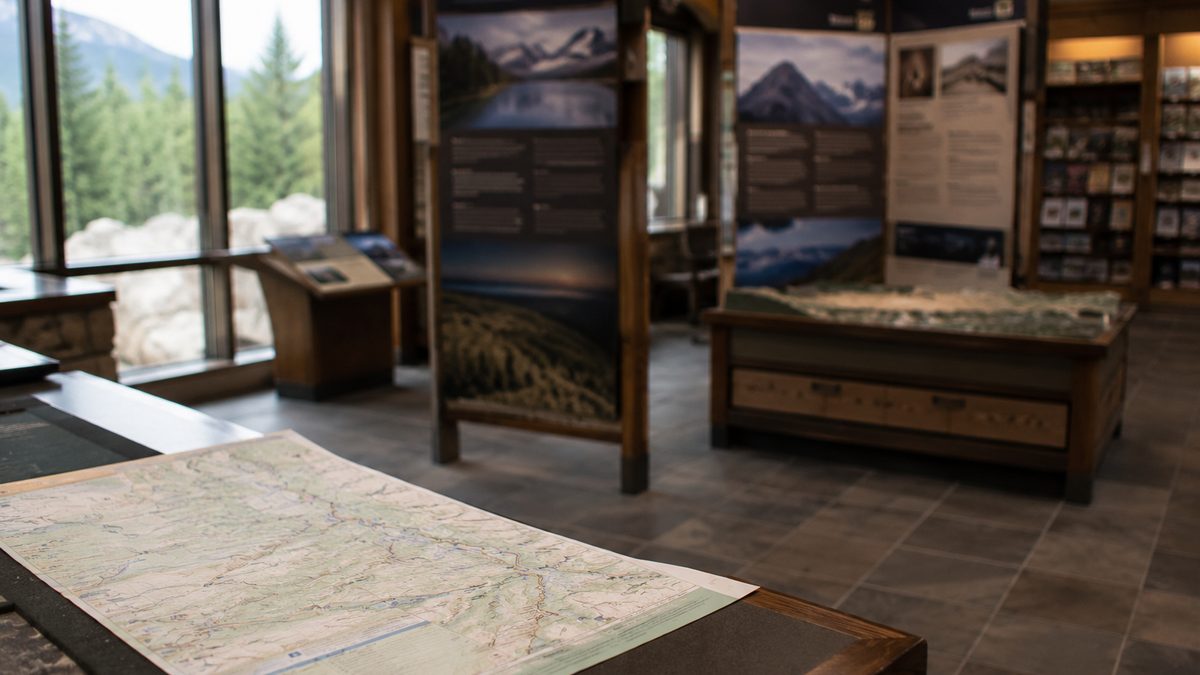
Public history becomes a political question when government officials try to control what visitors are allowed to learn. Editorial illustration by TheDailyGlobe.
Key Facts
- A federal judge ordered restoration of national park materials changed under a Trump administration directive.
- The case involves historical and scientific displays at public sites managed through the National Park Service.
- The court restricted additional changes while the litigation moves forward.
- Plaintiffs include conservation, history, former park ranger, and science-related organizations.
- The underlying lawsuit remains unresolved and further legal action is possible.
Most visitors who walk into a national park visitor center or historic site assume they are seeing the public record as historians, scientists, and park professionals understand it. They may not agree with every interpretation, but they generally expect exhibits to reflect established facts rather than changing political priorities.
That expectation sits at the center of a new federal court ruling. On June 13, a federal judge ordered the Trump administration to restore national park materials that had been altered under a directive targeting content considered inappropriate or disparaging. The order also restricts additional changes while the lawsuit continues.
What the Court Ordered
According to the court order and reporting on the case, the judge concluded that the plaintiffs had shown sufficient grounds for preliminary relief while the broader lawsuit proceeds. The ruling requires the government to restore materials that were altered under the challenged directive and limits additional modifications tied to that policy.
A preliminary injunction is not a final decision on the merits of a case. Instead, it is a temporary court order intended to preserve conditions while legal questions are resolved. In this instance, the judge determined that immediate intervention was warranted before the lawsuit reaches a final outcome.
The ruling means that some exhibits, displays, educational materials, and related content at affected sites may need to be returned to their prior form while the case continues through the courts.
Why National Park Exhibits Became a Legal Fight
National parks are often associated with scenery, recreation, and tourism. But many park sites also function as public classrooms. Historic battlefields, cultural landmarks, museums, visitor centers, and scientific exhibits help explain American history, conservation, and the natural world to millions of visitors each year.
The lawsuit arose after changes were made under a broader administration directive that sought to address what officials described as ideological bias in federal materials. The administration defended the effort as a correction to content it viewed as inappropriate or unfairly negative.
Plaintiffs challenged that approach, arguing that the removals and revisions amounted to censorship and eliminated accurate historical and scientific information from public sites. Those arguments remain claims within the litigation and have not been finally resolved by the courts.
A Question About Executive Authority
Beyond the specific exhibits involved, the case raises a broader question about the limits of executive power. Federal agencies operate under presidential administrations, but they also manage public records, educational programs, and historical interpretation that often extend across multiple administrations.
The judge's order does not resolve every legal issue in the dispute. It does, however, indicate that the court found enough concern about the directive and its implementation to justify blocking further changes for now.
For readers, the case is less about a particular display panel and more about who has authority to shape what public institutions present as history and science. Courts are frequently asked to settle those questions when disagreements arise between executive actions and legal obligations.
What Remains Unresolved
Several important questions remain unanswered. The administration's next legal steps are not yet clear. Available reporting had not confirmed whether officials plan to appeal the injunction.
It is also unclear how quickly affected sites will restore altered materials. National park locations vary widely in size and complexity, and public reporting has not established a complete timeline for compliance across all sites that may be affected.
Most importantly, the underlying lawsuit is still active. The preliminary injunction addresses immediate concerns but does not represent the final legal ruling on whether the directive ultimately complies with the law.
What Readers Should Watch Next
The next phase of the story will likely unfold in court filings, compliance efforts, and possible appeals. Restoration of exhibits and educational materials may become visible at individual park sites before the larger legal questions are resolved.
Readers should also watch whether similar directives affecting public history, educational materials, or federal interpretation programs face additional legal challenges. The issues raised in this case extend beyond national parks and touch on how government institutions present information to the public.
For now, one point is clear. A federal judge has ordered the restoration of altered national park materials and temporarily blocked further changes under the challenged directive. Whether those protections become permanent will be decided later as the litigation continues through the courts.
Reporting note: Reporting draws on a federal court order, court filings, Associated Press reporting, CBS News reporting, and reviewed background materials. This article was produced with AI-assisted research and reviewed by an editor before publication.