EPA Refrigerant Rollback Puts Grocery Costs and Climate Rules in Conflict
EPA’s refrigerant rule changes put a technical climate regulation into a practical fight over grocery costs, equipment upgrades, and how fast businesses should move away from HFCs.
Save Article

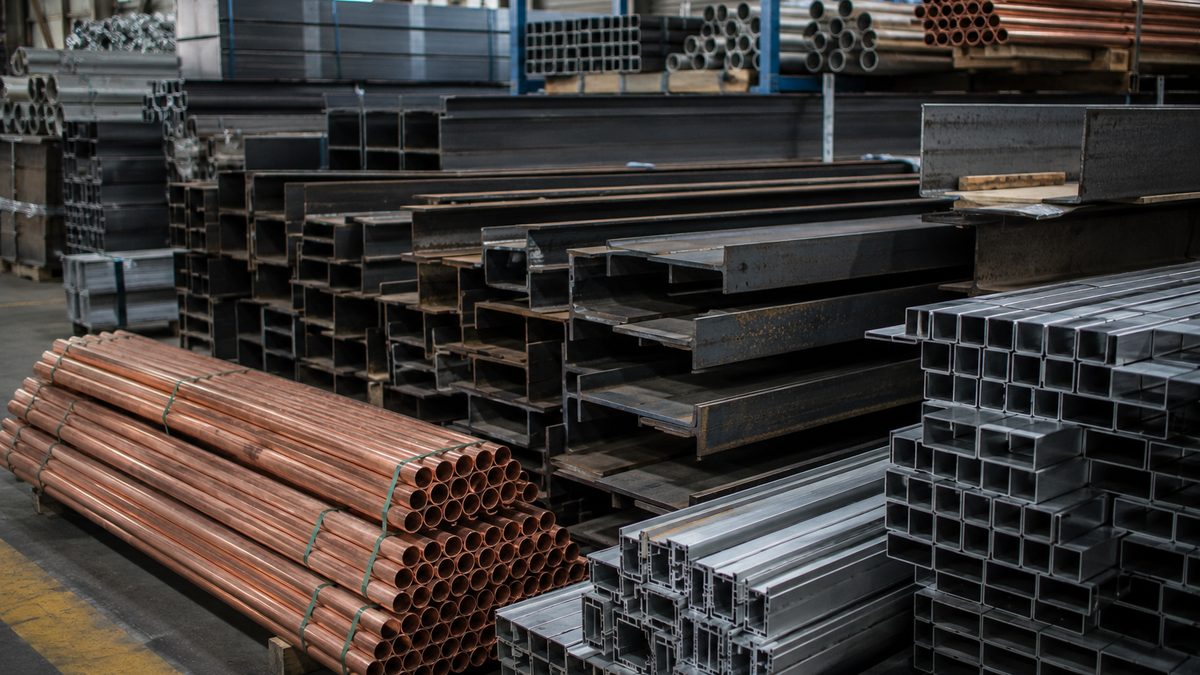
EPA’s refrigerant rule changes put a technical climate regulation into a practical fight over grocery costs, equipment upgrades, and how fast businesses should move away from HFCs. Editorial illustration by TheDailyGlobe.
Key Facts
- EPA signed a final rule reconsidering certain HFC Technology Transitions requirements.
- EPA also proposed excluding road and intermodal transport refrigeration units from HFC leak repair requirements.
- AP reported that the administration framed the move as a cost-cutting measure tied to grocery prices.
- Claims about consumer savings and climate effects remain disputed and should be attributed to the administration, industry groups, or environmental advocates.
- It remains unclear whether the rollback will lower consumer prices or whether litigation or further rulemaking will change implementation.
The Environmental Protection Agency is easing parts of federal refrigerant rules, turning a technical climate regulation into a practical fight over grocery costs, cooling equipment, and how quickly businesses should be required to move away from certain chemicals used in refrigeration.
EPA signed a final rule reconsidering certain HFC Technology Transitions requirements. The agency also proposed excluding road and intermodal transport refrigeration units from HFC leak repair requirements, according to EPA materials.
For regular readers, the issue matters because refrigerants are not just an environmental policy detail. They are part of the cold chain that keeps food, medicine, and other temperature-sensitive goods moving from warehouses to trucks to grocery store shelves. The administration has framed the move as a way to reduce costs, while critics of rollback efforts generally warn that delaying HFC restrictions can weaken climate policy.
What EPA Changed
The confirmed EPA action has two parts. One is final: EPA signed a rule reconsidering certain requirements under its HFC Technology Transitions program. The other is proposed: EPA moved to exclude road and intermodal transport refrigeration units from HFC leak repair requirements.
That distinction matters. A final rule changes the regulatory path now, while a proposal still has to move through the federal rulemaking process before it becomes final. Readers should not treat the proposed exclusion as completed policy until EPA finalizes it.
HFCs, or hydrofluorocarbons, are chemicals used in refrigeration, air conditioning, and related cooling systems. Federal HFC policy is aimed at reducing the use and emissions of climate-warming refrigerants while pushing businesses toward newer alternatives.
Why Grocery Stores Are Part of the Debate
Refrigeration is central to grocery stores and food distribution. Stores rely on cooling systems for meat, dairy, frozen food, produce, and prepared items. Trucks and other transport units help keep food cold before it reaches the store.
That is why a refrigerant rule can become a grocery-price story. Businesses that need to replace equipment, repair leaks, or switch systems may face costs. The administration has argued, according to AP reporting, that easing the rule can help address rising grocery costs.
But whether shoppers will see lower prices is not yet clear. Grocery prices are shaped by many factors, including labor, fuel, rent, supply chains, weather, wholesale food costs, and competition. A regulatory change may reduce costs for some businesses, but that does not automatically mean those savings will reach consumers at the checkout line.
The Climate Policy Tradeoff
The other side of the debate is climate policy. HFC rules are part of a broader federal effort to reduce emissions from chemicals that can have a strong warming effect when released into the atmosphere.
Environmental groups and other critics of rollbacks may argue that loosening requirements slows the shift away from higher-impact refrigerants. Industry groups may argue that timelines, equipment availability, and compliance costs need to be realistic, especially for businesses that operate large refrigeration systems.
Both arguments can be true in part. Refrigeration rules can create real compliance costs, and HFC emissions can create real environmental concerns. The policy question is where EPA should draw the line between faster climate action and giving businesses more time or flexibility.
What Remains Unclear
The biggest open question is whether the rollback will lower consumer prices. The administration’s cost argument is important, but it should be treated as a claim unless and until there is evidence showing lower costs are passed along to shoppers.
It is also unclear whether litigation, public comments, or later rulemaking will change the final shape of the policy. Environmental groups, industry groups, states, or other interested parties may continue pressing EPA from different directions.
For now, the practical takeaway is straightforward: EPA is loosening part of the HFC transition path and proposing another change for transport refrigeration. The result could give some businesses more flexibility, but the consumer and climate effects will depend on how the rules are implemented, how companies respond, and whether the changes survive future challenges.
Reporting note: Reporting draws on EPA regulatory materials, federal climate policy documents, national reporting, and reviewed background materials. This article was produced with AI-assisted research and reviewed by an editor before publication.