EPA Plans to Revisit Some PFAS Drinking Water Limits While Keeping Core Standards
The agency says it will keep limits for PFOA and PFOS, give utilities until 2031 to comply, and reconsider several other PFAS standards through a public process.
Save Article

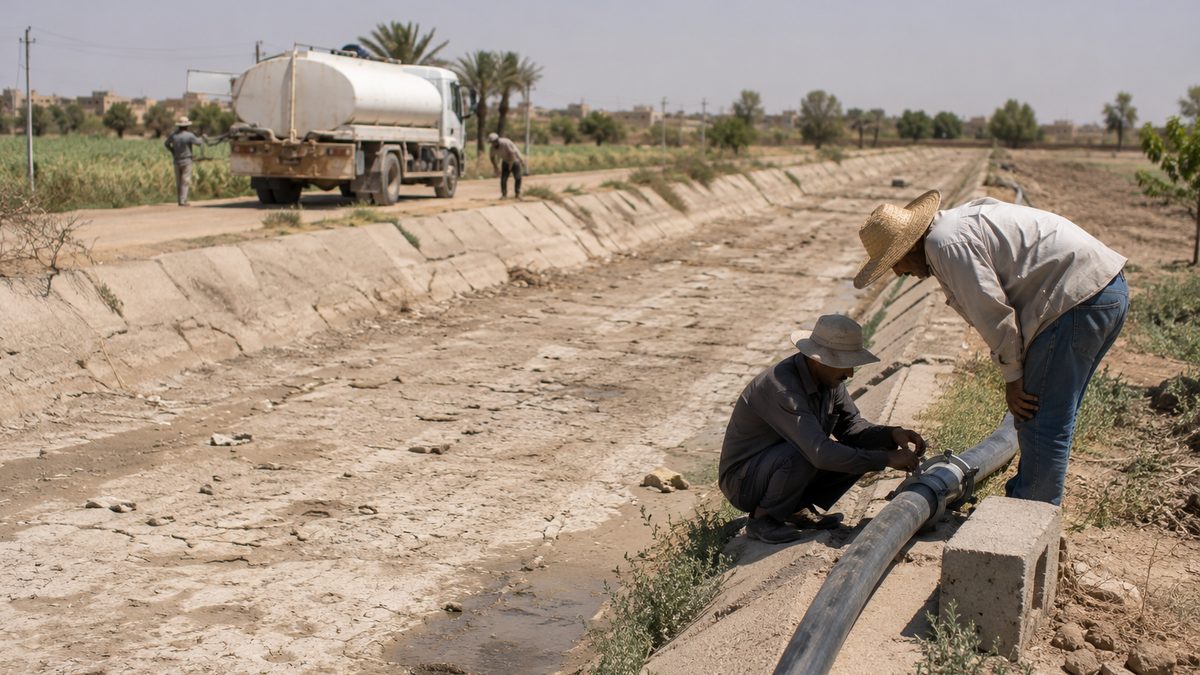
The agency says it will keep limits for PFOA and PFOS, give utilities until 2031 to comply, and reconsider several other PFAS standards through a public process. Editorial illustration by TheDailyGlobe.
Key Facts
- EPA plans to keep PFOA and PFOS drinking water limits at 4 parts per trillion.
- The agency intends to rescind and reconsider limits for some other PFAS chemicals.
- Utilities would have until 2031 to comply with the PFOA and PFOS standards.
- EPA says it wants rules that are legally defensible under the Safe Drinking Water Act.
- The proposal must go through public comment before changes are finalized.
The Environmental Protection Agency plans to revisit parts of a federal drinking water rule for PFAS chemicals while keeping the core limits for two of the most common compounds, according to EPA officials cited by the Associated Press.
The plan would keep national drinking water standards for PFOA and PFOS at 4 parts per trillion. At the same time, EPA intends to rescind and reconsider limits for some other PFAS chemicals and give water utilities until 2031 to comply with the PFOA and PFOS standards.
The move does not immediately erase the rule for every household or water system. EPA says the proposed changes would go through public comment before any final action. That means utilities, public health groups, states, industry representatives, and residents will have a chance to weigh in before the agency locks in a revised rule.
What PFAS Are and Why the Rule Matters
PFAS are a large group of man-made chemicals used for decades in products that resist water, grease, heat, and stains. They have been used in some industrial processes, firefighting foams, nonstick coatings, food packaging, textiles, and other products. Because some PFAS break down very slowly, they are often called "forever chemicals."
The drinking water rule matters because public water systems across the country have been preparing for the first federal limits on several PFAS compounds. For local utilities, the standards can mean new testing, treatment upgrades, engineering work, and higher costs. For residents, the issue is more basic: whether the water coming from the tap meets a national health-based standard.
PFOA and PFOS are among the best-known PFAS compounds. The EPA plan, as described by officials cited by AP, would keep the national limits for those two chemicals in place at 4 parts per trillion. That part of the rule remains the center of the agency's approach.
What Would Change
The main change is that EPA intends to pull back and reconsider some limits covering other PFAS chemicals. The agency says it is focused on making sure the rule follows the legal process required under the Safe Drinking Water Act.
That legal point matters because federal drinking water regulations must survive both scientific review and court scrutiny. EPA officials say the agency wants a rule that can be defended legally, not just announced politically. Supporters of tighter PFAS limits are likely to argue that public health protections should not be delayed or weakened. Water utilities and some other stakeholders may argue that timelines, costs, and legal procedures need to be workable.
The agency's plan also gives utilities more time. Instead of facing the earlier compliance schedule for PFOA and PFOS, water systems would have until 2031. For local water providers, that extra time could affect budgeting, construction schedules, treatment planning, and rate decisions.
What Stays the Same
The most important piece that stays in place is the 4 parts per trillion limit for PFOA and PFOS. EPA is not proposing to abandon those standards, according to the handoff from agency officials cited by AP.
That distinction is important for readers trying to understand the practical impact. The agency is not saying PFAS contamination no longer matters. It is saying it plans to keep the limits for two major PFAS chemicals while reconsidering how other PFAS limits were set and how the rule should move forward under federal law.
For households, the immediate takeaway is that the federal process is still moving. People served by public water systems should continue to rely on official water quality notices from their local utility and state regulators. The rulemaking process does not replace local testing results, and it does not tell any one household what is in its water.
What Happens Next
EPA's proposal must go through public comment before final changes are made. That step gives the public and affected groups a formal way to respond. Comments can influence how an agency explains, revises, or defends a final rule.
The public comment period will likely draw close attention from water utilities, environmental organizations, public health advocates, chemical manufacturers, state officials, and communities that have already dealt with PFAS contamination. Each group may focus on a different part of the same question: how to protect drinking water in a way that is scientifically sound, legally durable, and possible for local systems to carry out.
The final outcome is not set yet. EPA has signaled where it wants to go, but the details will matter. The agency still has to publish the proposal, review public comments, and explain its reasoning before finalizing changes.
Why It Matters for Local Communities
Drinking water rules often sound technical, but they land close to home. A federal PFAS limit can shape whether a water system installs new treatment equipment, how much time it has to do so, and what costs may eventually reach customers through local rates.
Small and rural systems may face special pressure because they often have fewer staff members, smaller budgets, and less room to absorb major infrastructure costs. Larger systems may have more capacity, but they still need time to test, design, fund, and build treatment changes.
Public health advocates are expected to watch the reconsidered limits closely because PFAS contamination has been a long-running concern in communities near industrial sites, military bases, airports, and areas where certain firefighting foams or manufacturing processes were used. Utilities, meanwhile, are watching the compliance clock and the legal standards that determine what they must do next.
For now, the story is not a final rollback and not a final expansion. It is a regulatory reset on part of the rule, paired with a decision to keep the central PFOA and PFOS standards. The next stage will show how EPA balances health concerns, legal risk, and the practical burden on public water systems.
Reporting note: Reporting draws on Associated Press coverage and EPA official statements cited by AP about planned changes to federal PFAS drinking water standards. All claims This article was produced with AI-assisted research and reviewed by an editor before publication.