Schools Need a Screen-Time Reset, Not a Tech Panic
School technology should earn its place in the classroom. The answer is not panic, but clearer rules, better judgment, and more transparency for families.
Save Article

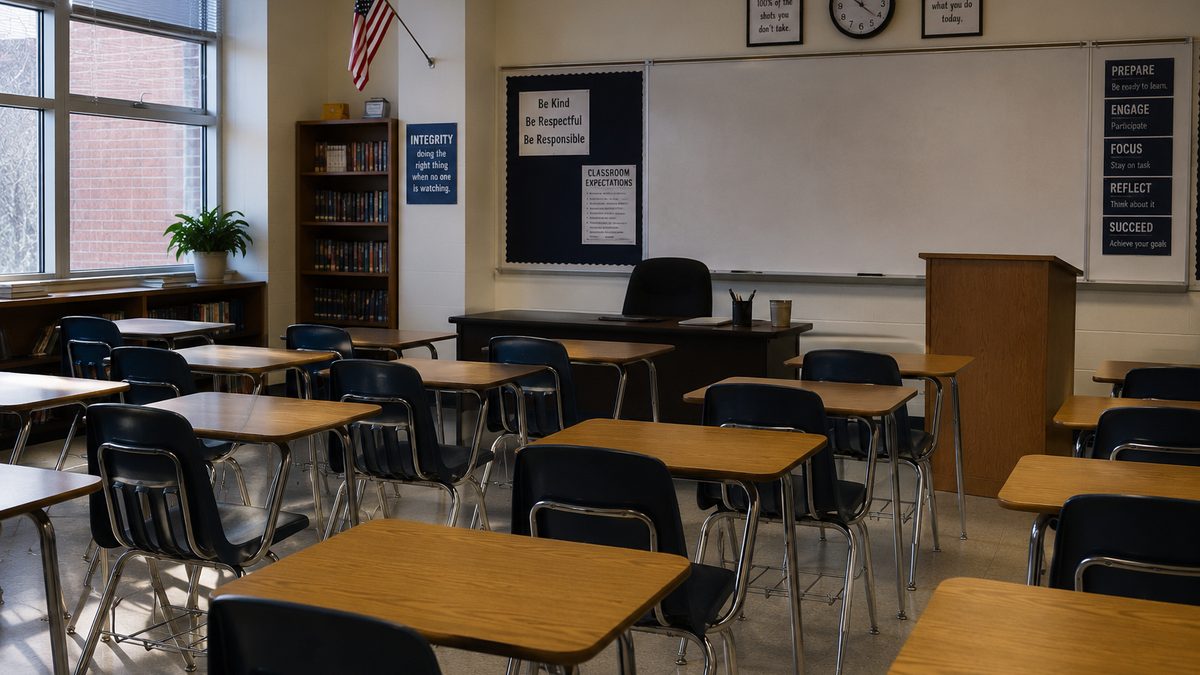
Schools do not have to reject technology to ask when screens are helping and when they are simply filling time. Editorial illustration by TheDailyGlobe.
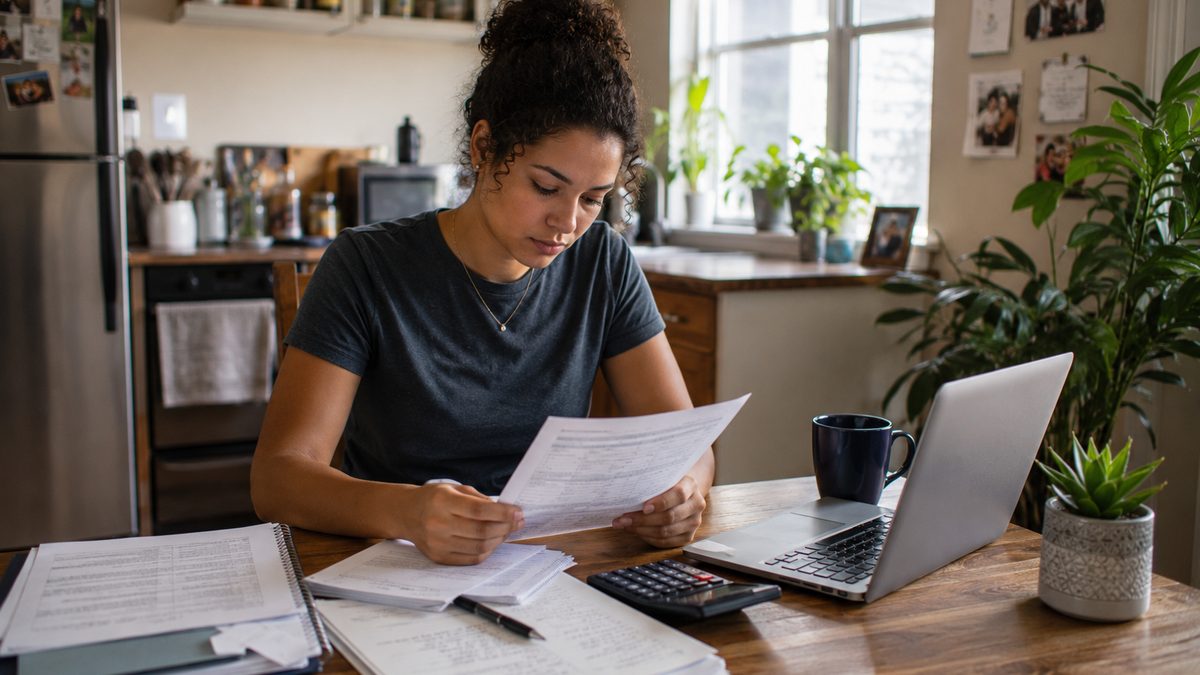
A parent can set screen limits at home, keep phones out of bedrooms, say no to another hour of videos, and still send a child to school the next morning knowing much of the day may run through a laptop, tablet, or learning app.
That tension is becoming harder to ignore. Schools did not adopt digital tools for no reason. Technology can help students with disabilities, give teachers new ways to explain material, expand access to lessons, and make some assignments easier to manage. But somewhere along the way, too many schools began treating screens as the normal setting for modern learning rather than one tool among many.
The better answer is not a panic over technology. It is a reset. Schools should use screens when they clearly help learning and pull them back when they mostly fill time, fragment attention, or replace work that children should still do with their hands, eyes, voices, and teachers.
The Backlash Is Not Coming From Nowhere
The Associated Press recently reported that schools and parents are reconsidering the heavy use of school-issued laptops, tablets, and learning apps. That shift should not be dismissed as nostalgia or anti-tech anxiety. Many parents are watching children move from entertainment screens at home to assignment screens at school, then back again to homework platforms at night.
Los Angeles Unified has moved toward limiting student screen time, including reduced screen use for younger students and more attention to pen-and-paper assignments. That does not make the district a model for every school system, but it gives the debate a concrete example: one of the country’s largest districts is asking whether more classroom screen time should still be treated as automatic progress.
That is the right question. The standard should not be whether a tool is digital. The standard should be whether it improves learning enough to justify the attention it takes.
Phones and School Devices Are Not the Same Problem
The cellphone debate often gets mixed together with the school-device debate, but they are not identical. Federal school data from the National Center for Education Statistics found that many public school leaders say cellphone use hurts academic performance, and most schools have some classroom restriction on cellphone use.
That finding supports concern about attention, but it should not be stretched too far. A student scrolling a phone under a desk is different from a student using a district laptop for a reading assignment, a speech-to-text tool, or a math lesson. One is often a distraction. The other may be instruction.
Still, the overlap is real. Both raise the same basic classroom question: how much of a child’s attention should be mediated through a screen, and who is responsible for deciding when that screen is necessary?
Technology Should Have to Prove Itself
Schools should be more demanding consumers of education technology. If an app, device, or platform does not clearly improve instruction, feedback, accessibility, or practice, it should not occupy scarce classroom attention by default.
That does not mean every worksheet is better on paper or every digital lesson is lazy teaching. Good technology can support students who need accommodations. It can help teachers see where a class is struggling. It can give students access to resources that a school might otherwise lack. For some children, the right tool is not a convenience; it is the difference between participating and being left behind.
That is why blanket anti-screen rules can create their own problems. If schools cut devices without replacing digital materials, teachers may be left scrambling. If districts ignore assistive technology, students with disabilities may lose support. If wealthier schools can afford paper materials and extra planning time while poorer schools cannot, a well-intentioned limit can become another uneven burden.
But those counterpoints are not a case for endless screen use. They are a case for better judgment.
Parents Deserve Clearer Answers
The American Academy of Pediatrics has emphasized balancing the benefits of educational technology with concerns about non-educational screen time and child development. That balance is exactly what many school policies still fail to explain in plain language.
Parents should be able to know when screens are required, why they are required, how much of the school day depends on them, and what non-screen alternatives exist. A family should not have to guess whether a tablet is being used for a targeted lesson, routine busywork, test preparation, behavior management, or because the district already paid for the platform.
Districts should publish age-based screen guidelines. They should audit education technology contracts. They should preserve books, handwriting, paper assignments, discussion, art, labs, outdoor activity, and other non-screen learning. They should protect assistive uses and legitimate digital skills. They should give teachers room to decide when screens help and when they get in the way.
A Reset Is the Responsible Middle
The lazy debate is screens versus no screens. The serious debate is default versus purpose.
Schools do not need to pretend technology is ruining every classroom. They also do not need to keep pretending that a device in front of every student is automatically a sign of better learning.
The next test for districts is whether they can be honest about what their technology is doing. Which tools improve learning? Which ones mainly save administrative time? Which ones distract students? Which ones are being kept because of contracts, convenience, or habit?
A good school screen policy should not sound like a press release for innovation or a parental revolt against the modern world. It should sound like adults taking responsibility for children’s attention. That means screens where they help, limits where they do not, and clear explanations for families who are trying to raise kids in a world already full of devices.
Reporting note: Reporting draws on established reporting, local education reporting, federal school data, pediatric guidance, and reviewed background materials used to ground the argument. This article was produced with AI-assisted research and reviewed by an editor before publication.