Election Rules Should Be Settled Before Voters Are Under Pressure
A court may wait for implementation before acting, but public officials should not treat late uncertainty as a normal way to run elections.
Save Article
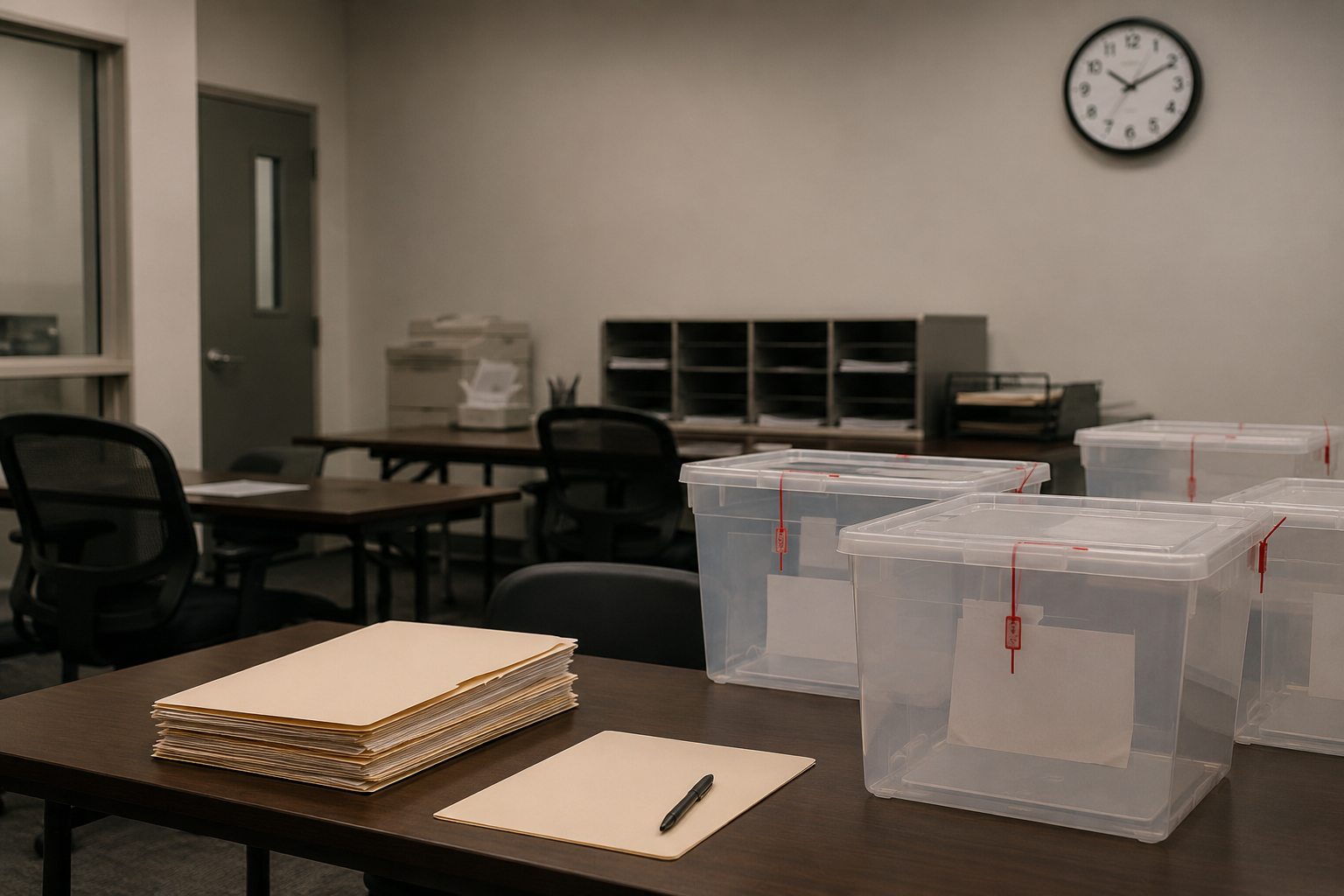
Election rules work best when voters and officials know the ground rules before pressure builds. Editorial illustration by TheDailyGlobe.
Voters are often told that election trust depends on accepting the rules. That is true, but it cuts both ways. Trust also depends on public officials giving voters, election workers, courts and states rules that are clear before the pressure of an election calendar begins.
That is why the latest court development over President Donald Trump's mail-voting executive order should not be reduced to a simple win-or-loss headline. A federal judge declined to temporarily block the order for now, finding that the challenge was premature because the order had not yet been implemented. Reporting also said the ruling has no immediate effect on the midterms, and future challenges remain possible.
That legal posture matters. Courts generally avoid blocking policies before there is concrete injury or agency action to review. That restraint can be appropriate. But the civic question is broader than the timing of one court ruling: election rules should not be stress-tested at the edge of an election season.
A Premature Lawsuit Is Not Final Approval
The judge's decision does not settle the legality of the executive order. It leaves the order in place for now because the court concluded the challenge came too early, not because every contested part of the order has been fully approved after implementation.
That distinction is important for readers. A premature lawsuit can fail even when serious legal questions remain. Civil rights groups and Democratic organizations argue the order exceeds presidential authority. The White House frames the order as an election-integrity measure. Those are different claims about power, process and trust, and they have not been finally resolved by this ruling.
The order aims to create a federal list of eligible voters and limit mail voting to people on that list. That is not a small administrative detail. Any change touching voter eligibility, mail ballots, federal agencies and state election systems requires more than a press release and a court round. It requires lawful authority, public clarity and realistic implementation.
Election Integrity Requires More Than Tough Language
Election integrity is a legitimate public concern. Governments can and should set lawful rules to protect voting systems, verify eligibility and prevent fraud. Voters should not be asked to pretend that election administration is unimportant.
But the word integrity cannot become a shortcut around the basic duties of governing. A rule meant to protect elections still has to fit within lawful authority. It still has to be explained clearly. It still has to work in the real world, where local election offices, postal systems, state officials and voters have deadlines that do not pause for political arguments.
The administration may argue for stricter safeguards. Critics may argue the order is unlawful overreach. Courts may decide later whether particular actions can stand once agencies move forward. But voters should not have to wait until the system is already under pressure to learn which rules apply.
Late Uncertainty Has Real Costs
Rule uncertainty is not harmless just because a court has not yet blocked anything. It can affect how election workers prepare, how states respond, how advocacy groups advise voters and how the public understands the security of the process.
Election workers already operate under tight timelines. Voters already face different rules depending on where they live. Courts already handle election disputes under deadlines that can make careful review harder. Adding unresolved federal action on top of that does not build confidence. It risks making the system feel like it is being adjusted while people are trying to use it.
That is the wrong way to handle voting rules. Major election changes should be settled early enough that ordinary voters can understand them, states can administer them, courts can review them and workers can apply them without guessing.
The Standard Should Be Clear
The right civic standard is not complicated: election rules should be lawful, transparent, administratively realistic and settled before election pressure builds.
That standard should apply no matter which party controls the White House, which groups bring the lawsuit or which voters are most affected. If a rule is needed, make the case early. If a rule is lawful, explain the authority. If a rule changes how ballots are handled, show how it will work. If a rule is challenged, leave enough time for courts to review it without turning the election calendar into a pressure tactic.
Public officials often say they want voters to trust elections. Then they should act like trust is built through clarity, not surprise. The public should not be asked to sort out election procedures through emergency litigation, late agency moves or dueling claims that arrive after voters and election offices are already preparing.
What Readers Should Watch Next
The next question is not only whether one side wins the next court filing. Readers should watch whether federal agencies move to implement the order, whether new lawsuits follow, and how state election officials respond if federal action begins.
They should also watch the timing. If officials believe election rules need to change, they should be willing to do that work in the open and early enough for voters to understand what is happening. Courts may decide when a lawsuit is ripe. Public officials should decide, before it gets that far, that uncertainty is not an acceptable way to govern elections.
Reporting note: Reporting draws on public records, official statements, reputable reporting, and reviewed background materials used to ground the argument. This article was produced with AI-assisted research and reviewed by an editor before publication.