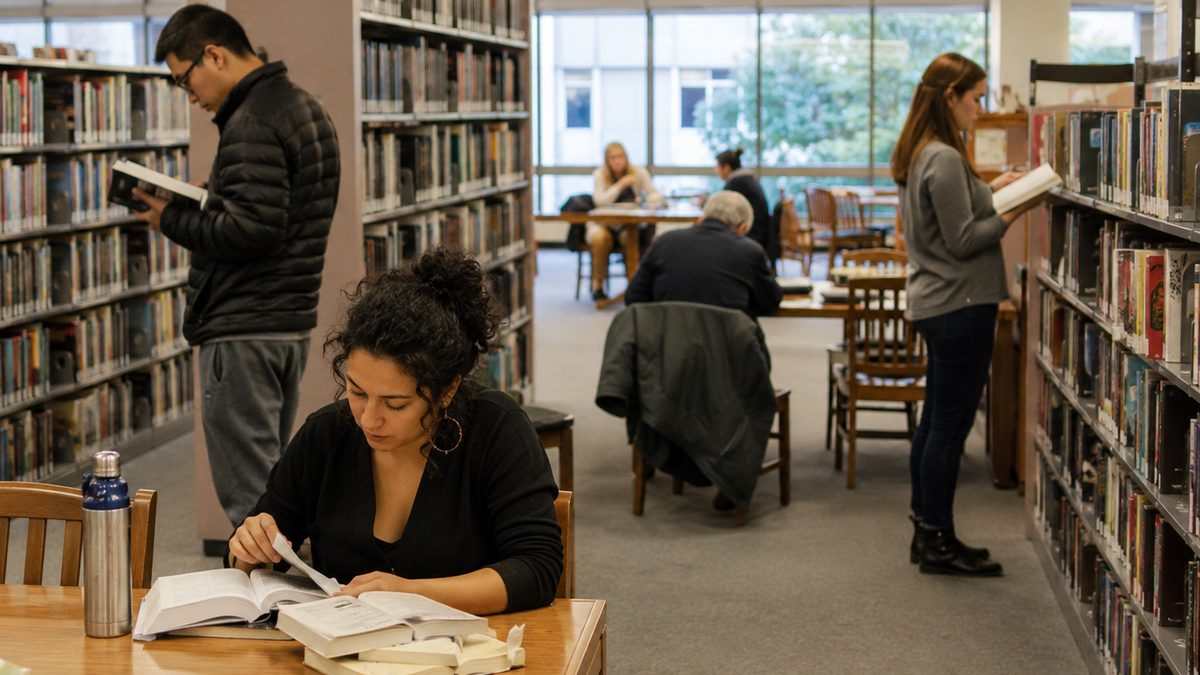
Summer Reading Gives Families and Adults a Low-Cost Way Back to Books
Libraries, reading lists and adult book challenges are giving summer reading a practical 2026 role for families looking for structure without another subscription.
Save Article
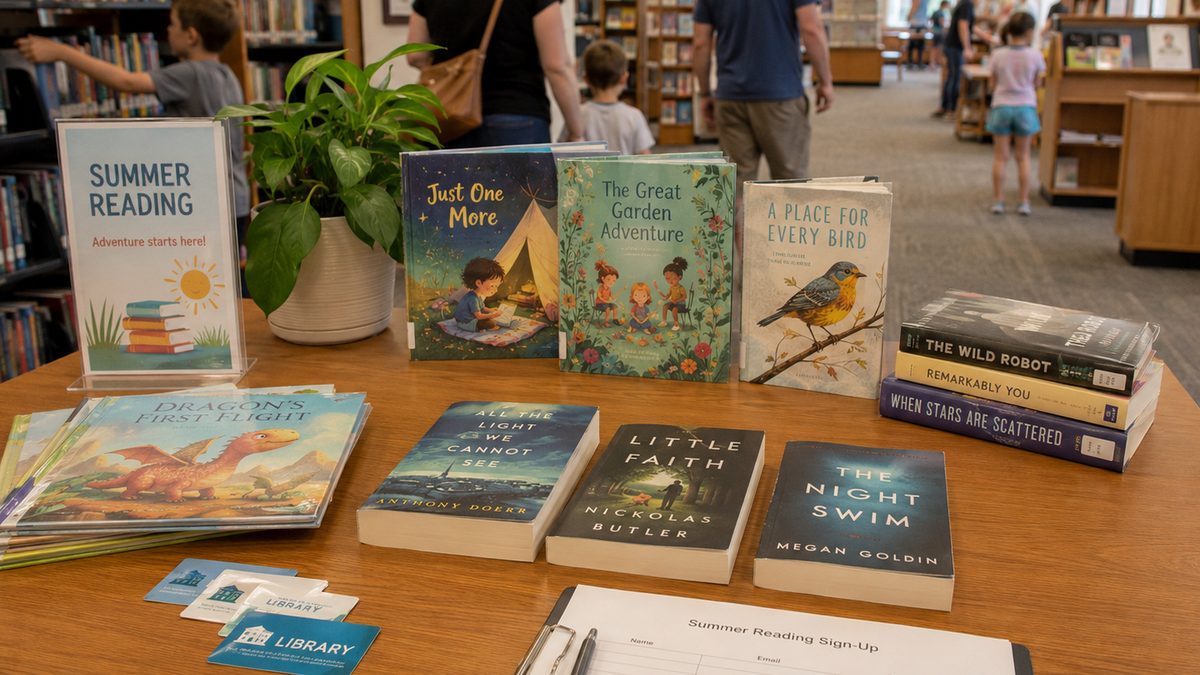
Summer reading programs give families and adults a low-cost way to build reading into the season. Editorial illustration by TheDailyGlobe.
Key Facts
- The National Book Foundation is running a 2026 Summer Reading Adventure for adults.
- The American Library Association’s ALSC released 2026 summer reading lists for young readers.
- Pew Research Center reported in April 2026 that print remains the favored format among U.S. adults who read books.
- The Collaborative Summer Library Program’s 2026 theme is “Unearth a Story.”
- National participation comparisons for 2026 summer reading programs are not yet clear.
Summer brings a familiar question for families: how to fill long days without spending too much money or letting every quiet hour drift toward a screen.
For adults, the question can look different but feel just as real. Work keeps moving, routines loosen, travel interrupts normal habits, and the stack of books people meant to read can sit untouched for another season. That is where summer reading is finding a practical role again: not as homework, and not as a luxury hobby, but as a simple seasonal structure that libraries, nonprofits and readers can adapt to real life.
Several 2026 programs point in that direction. The National Book Foundation is running a Summer Reading Adventure aimed at adults. The American Library Association’s Association for Library Service to Children has released 2026 summer reading lists for young readers. The Collaborative Summer Library Program’s 2026 theme is “Unearth a Story,” giving many libraries a shared seasonal frame for programming. Pew Research Center, meanwhile, reported in April that print remains the favored format among U.S. adults who read books.
A Familiar Habit With a New Summer Push
Summer reading has always carried a little nostalgia. Many adults remember school lists, library logs, stickers, prizes or the small satisfaction of writing down another finished title. But the current push is not only about recreating childhood routines.
The 2026 mix is broader. Children still have age-based reading lists and library programs. Adults have reading challenges built around rediscovering the habit for themselves. Libraries can use shared themes to shape events, displays and activities. Families can use those programs as low-cost anchors for weeks when camps, trips and entertainment costs may not be realistic every day.
That matters because summer reading works best when it is easy to start. A library card, a paperback, an audiobook, a downloadable list or a weekly library visit can give a household something to build around without turning the season into another expensive schedule.
Why Libraries Still Matter Here
The library role is central because summer reading is not just about books on a shelf. It is also about access. A library can turn reading into a public activity without requiring families to buy every book, subscribe to another service or know exactly where to begin.
The ALSC lists give parents, caregivers and young readers a starting point. They do not prove what children will read this summer, and they do not mean every local library will use the same approach. But they do give families a practical path: find a list, choose a few books, ask a librarian for help, and make reading part of the week.
The Collaborative Summer Library Program theme adds another layer. “Unearth a Story” gives libraries room to connect books with discovery, history, dinosaurs, archaeology or local programming. A theme does not guarantee identical events across the country. Local libraries decide what they can offer. But a shared theme can make the season feel more connected, especially for families who use library calendars to find free or inexpensive things to do.
Adults Are Part of the Story Too
One of the more useful parts of the 2026 reading push is that adults are not treated as an afterthought. The National Book Foundation’s Summer Reading Adventure gives grown readers a reason to make reading visible and social again, even if the actual act of reading remains quiet and personal.
That matters because adult reading is often squeezed between work, family and screen habits. A challenge can lower the barrier by making the goal feel seasonal rather than permanent. Read outside. Try a different kind of book. Borrow instead of buying. Talk about a book with someone else. Small prompts like that can make reading feel less like one more self-improvement task and more like a normal part of summer.
Pew’s April 2026 reporting adds useful context. Even as digital and audio formats remain part of the reading landscape, print still holds a strong place among adults who read books. That does not make print better for every person or every situation. It does show that the physical book remains a durable part of American reading habits, even in a media environment built around phones, streaming and short-form attention.
What This Does Not Prove
The evidence does not show a national summer-reading revival. The available program announcements and reading data do not establish how many people will participate in 2026 compared with prior summers. They also do not show whether adult reading challenges are growing nationally or how many local libraries are using the same national theme.
That distinction matters. It would be easy to turn summer reading into a sweeping cultural comeback story, but the confirmed facts support a more careful conclusion: several credible institutions are giving readers fresh tools and prompts at the same time many families are looking for low-cost seasonal routines.
What Readers Can Watch Next
The next useful place to look is local. Library calendars will show which programs are actually available in a given community. Some libraries may lean into children’s events, some may offer adult reading challenges, and others may connect summer reading to crafts, talks, local history, science activities or book clubs.
For families, the practical takeaway is simple: summer reading does not need to be complicated to be useful. A weekly library trip, a shared list, a book before bed, an audiobook on a drive or an adult reading challenge can all give the season a little more rhythm.
That is the quiet strength of the habit. It does not need to compete with every screen or solve every summer problem. It just gives readers a place to start.
Reporting note: Reporting draws on National Book Foundation materials, American Library Association reading lists, Pew Research Center survey reporting, Collaborative Summer Library Program materials, and reviewed background context. This article was produced with AI-assisted research and reviewed by an editor before publication.