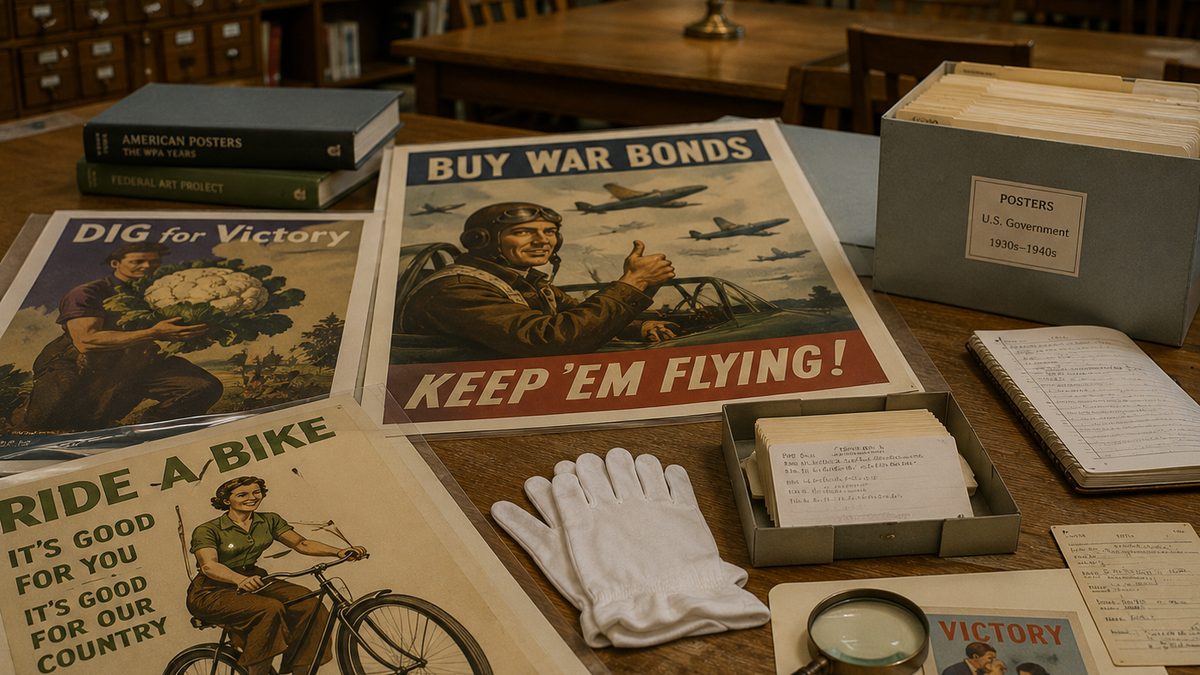
Smithsonian America 250 Exhibits Put National Memory on Display
Smithsonian programming tied to America’s 250th anniversary shows how museums use objects, archives, and exhibitions to tell national history without reducing it to a single simple story.
Save Article
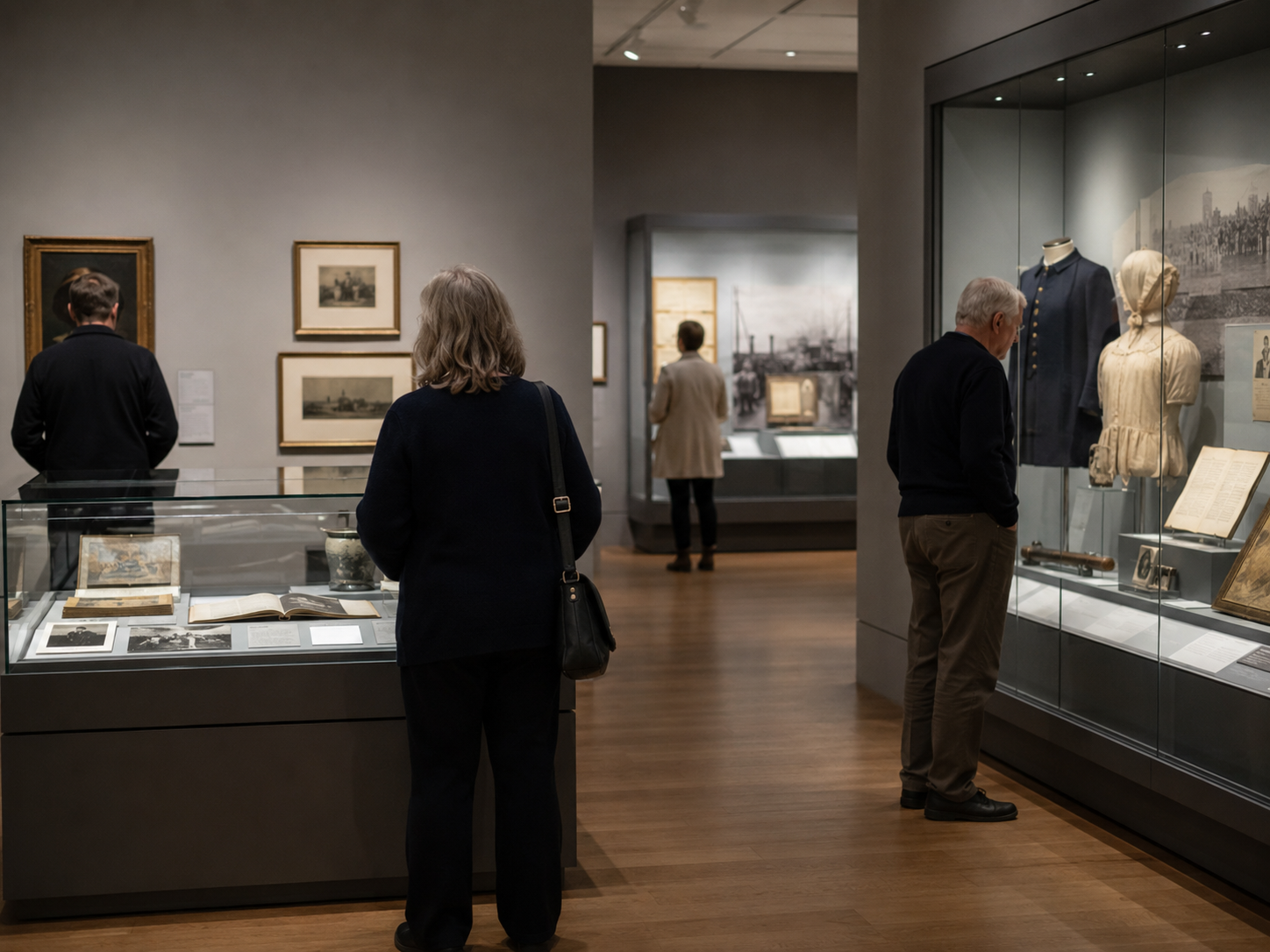
Smithsonian programming tied to America’s 250th anniversary shows how museums use objects, archives, and exhibitions to tell national history without reducing it to a single simple story. Editorial illustration by TheDailyGlobe.
Key Facts
- Smithsonian exhibitions and programming in 2026 are tied to America 250 commemorations.
- Smithsonian Libraries and Archives announced 2026 programming beginning in May as part of the Smithsonian’s Our Shared Future: 250 celebrations.
- The Guardian reported on a Smithsonian National Museum of American History exhibition built around 250 objects marking the anniversary.
- Smithsonian exhibition listings show several current 2026 exhibitions connected to history, culture, and public memory.
- It remains unclear how visitors will respond to the exhibition choices or which objects will become central to public conversation.
Smithsonian programming tied to America’s 250th anniversary is not just a museum calendar. It is a public argument about what a country chooses to remember.
Smithsonian exhibitions and programming in 2026 are connected to America 250 commemorations. Smithsonian Libraries and Archives announced 2026 programming beginning in May as part of the Smithsonian’s Our Shared Future: 250 celebrations. The Guardian also reported on a Smithsonian National Museum of American History exhibition built around 250 objects marking the anniversary.
For readers, the point is not only which objects are displayed. It is what the choices say about national memory. Museums do not tell history by showing everything. They tell history by selecting, arranging, explaining, and sometimes leaving visitors to sit with tension.
Why Museum Choices Matter
A museum exhibition can look quiet from the outside: glass cases, labels, lighting, visitors moving slowly from object to object. But the work behind it is not neutral in the casual sense. Curators decide what belongs in the room, what story an object helps tell, and what context visitors need to understand it.
That is why America 250 programming matters beyond Washington or museum circles. A national anniversary invites celebration, but it also invites questions. Which achievements are highlighted? Which conflicts are included? Which communities are represented? Which parts of the past are treated as settled, and which are presented as still contested?
The Smithsonian’s role makes those questions larger. It is not a small local gallery choosing a narrow theme. It is a national cultural institution using exhibitions, archives, books, artworks, and public programs to help visitors think about the country’s history.
The 250-Object Frame
The Guardian reported that one Smithsonian National Museum of American History exhibition is built around 250 objects marking the anniversary. That number gives the exhibition a clear structure, but it also raises the central curatorial challenge: no set of 250 objects can contain the whole American story.
That limitation is part of the meaning. Objects can make history feel concrete. A document, tool, photograph, garment, book, artwork, or everyday item can carry more emotional force than a timeline alone. But objects also need explanation. Without context, they can become symbols that different visitors read in very different ways.
A strong exhibition does not have to pretend the country’s history is simple. It can show pride and conflict in the same space. It can invite visitors to see invention, sacrifice, injustice, civic ideals, cultural change, and public disagreement without turning the museum into a slogan.
What Public Memory Does
Public memory is different from a textbook chapter. It is the version of history people carry into civic life, family conversations, classrooms, ceremonies, and arguments about the present. Museums help shape that memory because they give physical form to the past.
That gives institutions a responsibility to be careful. Anniversary programming can easily become either patriotic gloss or grievance catalog. The better path is harder: show why the anniversary matters, but also show that national history includes disagreement, exclusion, correction, and unfinished work.
The handoff for this story frames the Smithsonian programming as a question of curation, national identity, and complicated public history. That is the useful lens. The story is not a tourism preview. It is about how a country uses cultural institutions to decide what deserves attention.
What Remains Unclear
The main unknown is how visitors will respond. Exhibition choices can feel obvious to curators and still surprise, move, frustrate, or challenge the public. Some visitors may look for celebration. Others may look for fuller acknowledgment of conflict and exclusion. Many may want both.
It is also unclear which objects will generate debate or become central to public conversation. A museum can choose the frame, but the public often decides which pieces become the focus. Sometimes an object becomes powerful because it confirms a familiar story. Sometimes it matters because it complicates one.
Why Readers Should Care
The Smithsonian’s America 250 programming matters because national anniversaries do more than mark time. They ask people to look backward and decide what the past means now.
For regular readers, the lesson is simple: museum exhibitions are not just displays. They are choices about evidence, memory, identity, and trust. When a national institution builds an anniversary around objects and archives, it is helping shape how millions of people may understand the country’s story.
That does not mean every visitor has to agree with every choice. It means the choices are worth noticing. The most useful anniversary exhibitions will not ask visitors to leave with one approved feeling. They will help visitors see more clearly how pride, conflict, achievement, and unfinished questions can exist in the same national memory.
Reporting note: Reporting draws on Smithsonian Institution programming materials, Smithsonian exhibition listings, Guardian arts reporting, and reviewed background materials. This article was produced with AI-assisted research and reviewed by an editor before publication.