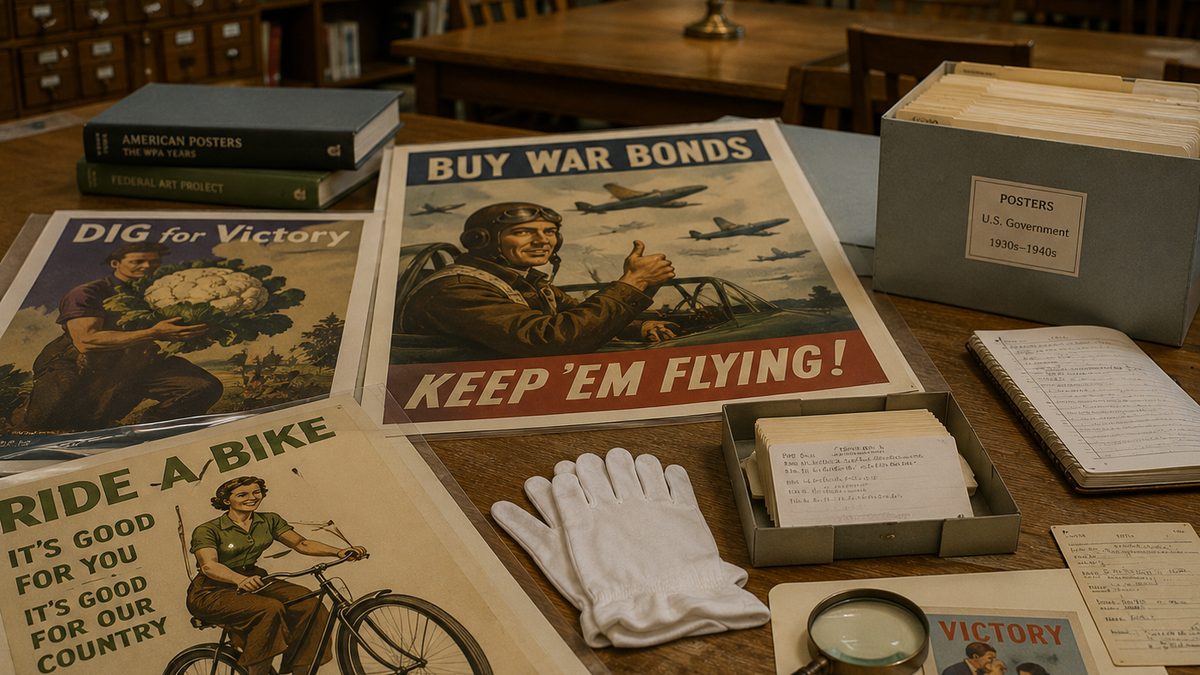
Pulitzer Books Show How This Year’s Winners Are Revisiting War, Housing, and Democracy
The 2026 Pulitzer book winners point readers toward war, homelessness, constitutional history, grief, poetry, and the public questions literature keeps returning to.
Save Article
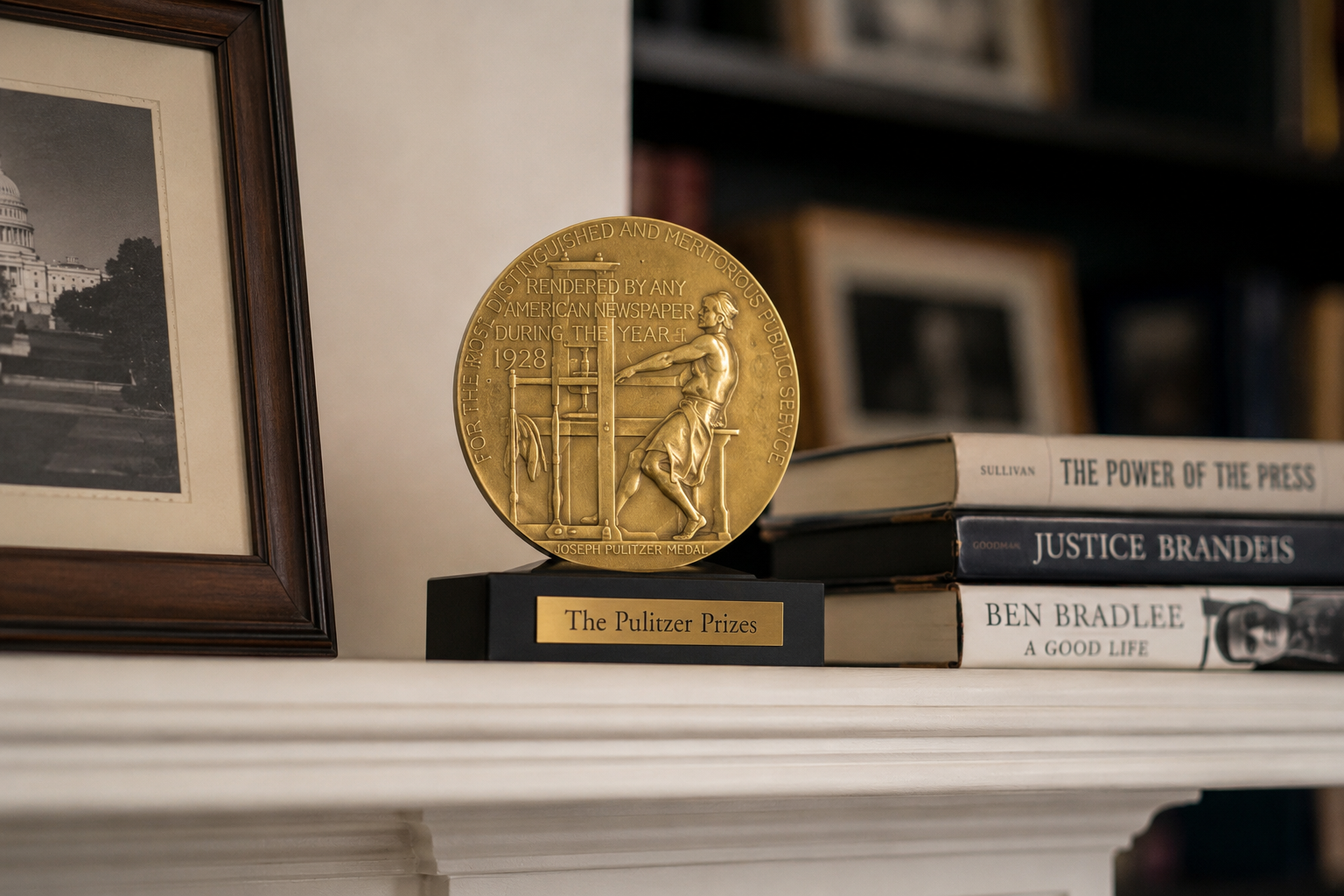
The 2026 Pulitzer book winners point readers toward war, housing, democracy, and public memory. Image generated for TheDailyGlobe.
Key Facts
- The Pulitzer Prize site lists 2026 winners and finalists.
- Daniel Kraus’s “Angel Down” won the Fiction prize.
- NPR/VPM reporting noted winners in books and arts categories, including subjects involving war, constitutional history, and homelessness.
- The awards were announced in early May 2026.
- It remains unclear which books will find broad readership beyond awards attention.
The 2026 Pulitzer book winners are not just an awards list. Taken together, they point readers toward some of the subjects serious American writing is asking people to revisit this year: war, housing, democracy, grief, memory, and the stories nations tell about themselves.
The Pulitzer Prize site lists the 2026 winners and finalists, and the awards were announced in early May 2026. Daniel Kraus’s “Angel Down” won the Fiction prize. NPR/VPM reporting noted winners in books and arts categories, including works involving war, constitutional history, and homelessness.
For readers, the value is not simply knowing who won. Literary prizes can be insider events, but they also function as signposts. They draw attention to books that may become part of a wider public conversation, especially when the subjects reach beyond the book world.
Why These Subjects Stand Out
The confirmed list points to books that are looking backward and outward at the same time. War is not treated only as battlefield history. Constitutional history is not only a civics subject. Housing is not only a policy problem. In books, those topics become stories about fear, power, belonging, memory, and daily life.
That is why the book winners make sense as a culture story rather than a simple prize announcement. A literary award cannot tell readers what they must read or what a book means before they open it. But it can show what kinds of questions publishers, judges, critics, and readers are being asked to take seriously.
The fiction winner, “Angel Down,” brings the prize list into the territory of war and imagination. Pulitzer’s official description frames the book around World War I and a blend of allegory, magical realism, and science fiction. That does not make the article a review. It shows the kind of historical and moral terrain the winner occupies.
Books as Public Memory
The history and nonfiction winners also matter because books can shape public memory in slower ways than daily news. NPR/VPM reporting identified Jill Lepore’s “We the People: A History of the U.S. Constitution” among the winners, along with Brian Goldstone’s “There Is No Place for Us: Working and Homeless in America.” Those subjects connect the prize list to democracy, housing, work, and the lived consequences of public systems.
That is where literature and civic life meet. A book about constitutional history can affect how readers think about government, rights, conflict, and national identity. A nonfiction book about working and homelessness can make a familiar policy subject feel more human and harder to reduce to a slogan.
The Pulitzer list also includes other arts categories, but the reader value here is narrower and clearer: the book winners show how writing can return to public questions without sounding like campaign speech, policy memo, or daily outrage.
What Awards Can and Cannot Tell Readers
A Pulitzer can bring attention to a book, but it does not settle how that book will be read. It does not guarantee a broad audience. It does not mean every reader will agree with the judges. It also does not turn a winner into “the best” book in any absolute sense beyond the award’s own judgment.
That restraint matters because awards coverage can easily become either promotional or dismissive. The better reading is simpler: these books have been recognized by one major institution, and their subjects are worth noticing because they overlap with questions Americans are already wrestling with.
What remains unclear is which books will move beyond awards attention and find a wider readership. It is also unclear how publishers will position the winners after the announcement. Some books may reach new readers quickly. Others may have a slower life in classrooms, libraries, book clubs, and public conversation.
Why Readers Should Care
For readers who do not follow literary awards, the 2026 Pulitzer book winners are useful because they offer a map of serious subjects. War, housing, democracy, grief, and public memory are not small themes. They are part of how people understand the country and the world around them.
The clean takeaway is not that readers need to treat prize lists as homework. It is that awards can point toward books that are trying to make sense of hard public questions in a form slower and deeper than a headline.
That makes this year’s winners worth noticing. They suggest that some of the year’s most recognized writing is not running away from difficult subjects. It is returning to them through story, history, reporting, memory, and art.
Reporting note: Reporting draws on Pulitzer Prize official winner materials, NPR/VPM reporting, Associated Press arts reporting, and reviewed background materials. This article was produced with AI-assisted research and reviewed by an editor before publication.