Federal Arts Grants Put America’s 250th Anniversary Into Local Cultural Life
The National Endowment for the Arts has announced FY 2026 grants tied to America’s birthday, showing how a national milestone can become local performances, exhibits and community programs.
Save Article
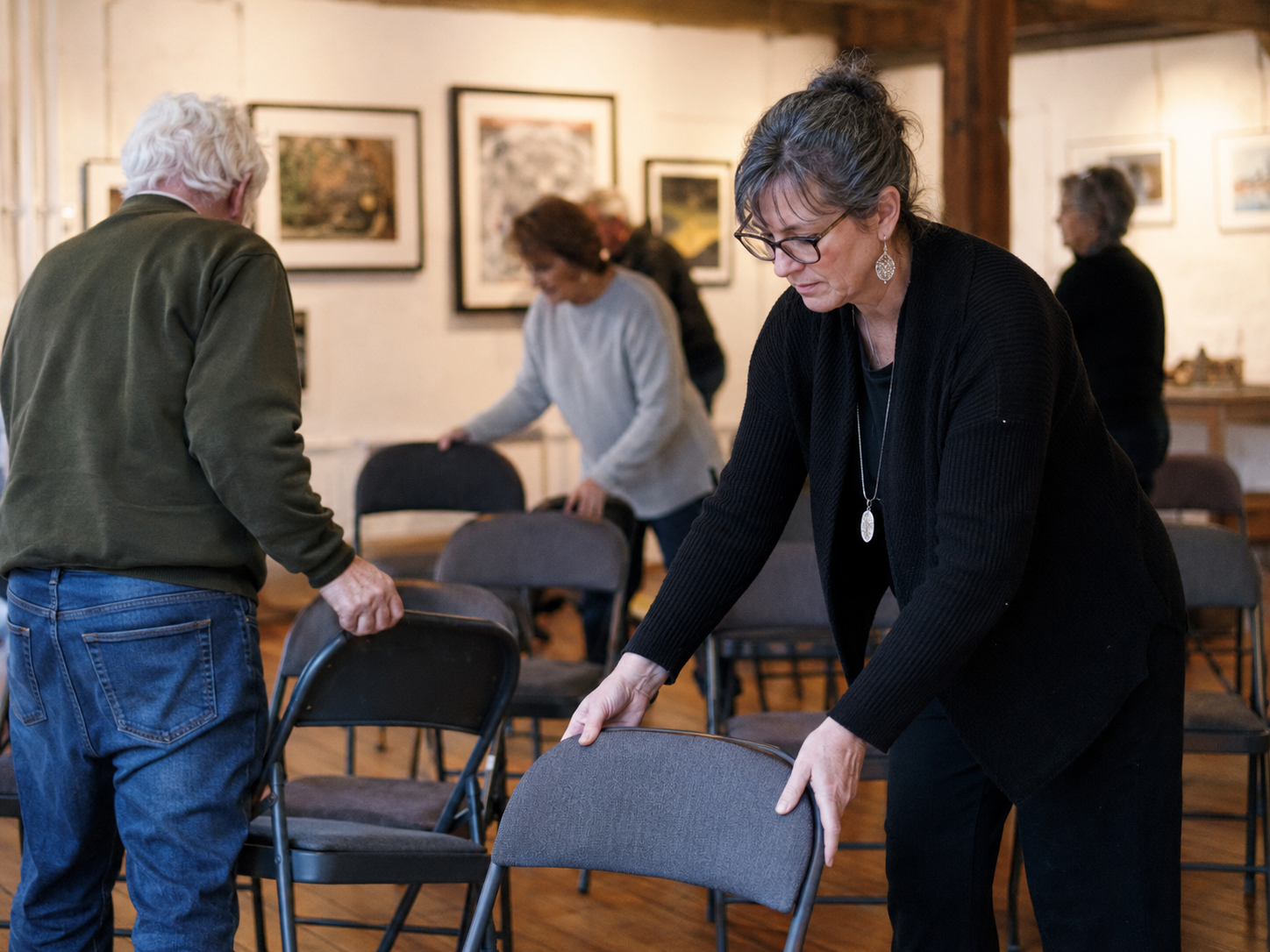
Federal arts grants can turn national milestones into local performances, exhibits, and community programs. Editorial illustration by TheDailyGlobe.
Key Facts
- The National Endowment for the Arts announced more than $16 million in funding to nonprofit organizations across the United States as part of its first round of FY 2026 grantmaking.
- NEA framed the grant round around celebrating America’s birthday.
- NEA supports nonprofit organizations, state arts agencies, regional arts organizations and arts projects across the country.
- NEA’s FY 2026 grant opportunities included categories such as Challenge America and Grants for Arts Projects.
A national anniversary can feel distant until it shows up in a familiar place: a local theater, a museum exhibit, a community mural, a public reading, a school program or a small arts center setting up chairs before an evening event.
That is one way to understand the National Endowment for the Arts’ FY 2026 grantmaking tied to America’s birthday. The funding is not only a federal arts announcement. It is part of how the country’s 250th anniversary may move from official language into local cultural life.
From Washington to Local Stages
The 250th anniversary of the United States will be marked in many predictable ways: ceremonies, speeches, school lessons, official programs and historical exhibits. But anniversaries also take shape through smaller public experiences, including performances, installations, readings, music, storytelling and local arts education.
Federal arts grants can help those projects happen outside the places where national commemorations usually get the most attention. A grant may support a nonprofit arts group, a regional organization, a state arts agency or a project that brings an anniversary theme into a community space.
That matters because public memory is not formed only by monuments or national ceremonies. It is also formed by the way communities choose to tell stories about place, history, conflict, belonging, loss and hope.
What the Grants Can and Cannot Tell Us
The NEA announcement confirms the funding round and the broad anniversary framing. It does not, by itself, show which specific projects will reach large audiences or how every community will interpret America’s 250th.
That distinction is important. A grant announcement can tell readers where public money is being directed and what kinds of organizations may be supported. It cannot yet prove the cultural impact of projects that have not fully unfolded.
Some projects may become visible local events. Others may reach smaller audiences through workshops, exhibits, community partnerships or education programs. Some may celebrate national history in familiar ways. Others may ask harder questions about who is remembered, whose stories are centered and how different communities understand the anniversary.
Why Local Arts Matter in a National Anniversary
Arts programming gives communities a way to mark a national milestone without making every event feel like a formal civic ceremony. A performance can make history personal. An exhibit can connect a national story to a local one. A public artwork can make people stop and notice a place they pass every day.
That does not mean every grant-funded project will be equally successful or widely noticed. Public arts funding can be debated like any other use of public money. Taxpayers, artists, audiences and local officials may disagree over which projects deserve support and what public value they create.
Still, the local angle is what makes the grant round culturally meaningful. America’s 250th will not be experienced only through federal branding or national events. For many people, it will be encountered through a ticketed performance, a free exhibit, a neighborhood program, a library event or an arts organization trying to connect history to everyday life.
What Remains Unclear
The next question is which projects will draw public attention and which will remain primarily local. It is also unclear how communities will interpret the anniversary through different traditions, histories and artistic choices.
Future NEA grant rounds could expand, narrow or shift the anniversary focus. Local organizations may also adapt their programming as America 250 events become more visible and as audiences respond.
Readers should watch for grant-funded events in their own communities, additional NEA announcements, state and regional arts programming, and local responses to anniversary projects. The larger story is not just how much money was awarded. It is how a national milestone becomes something people can see, hear, attend and argue over close to home.
Reporting note: Reporting draws on National Endowment for the Arts announcements, federal arts program materials, institutional grant information, and reviewed background materials. This article was produced with AI-assisted research and reviewed by an editor before publication.