Book Challenges Are Reshaping What Students and Readers Can Access
New data from library and free-expression groups shows continued pressure on schools and libraries, though local outcomes still vary widely.
Save Article
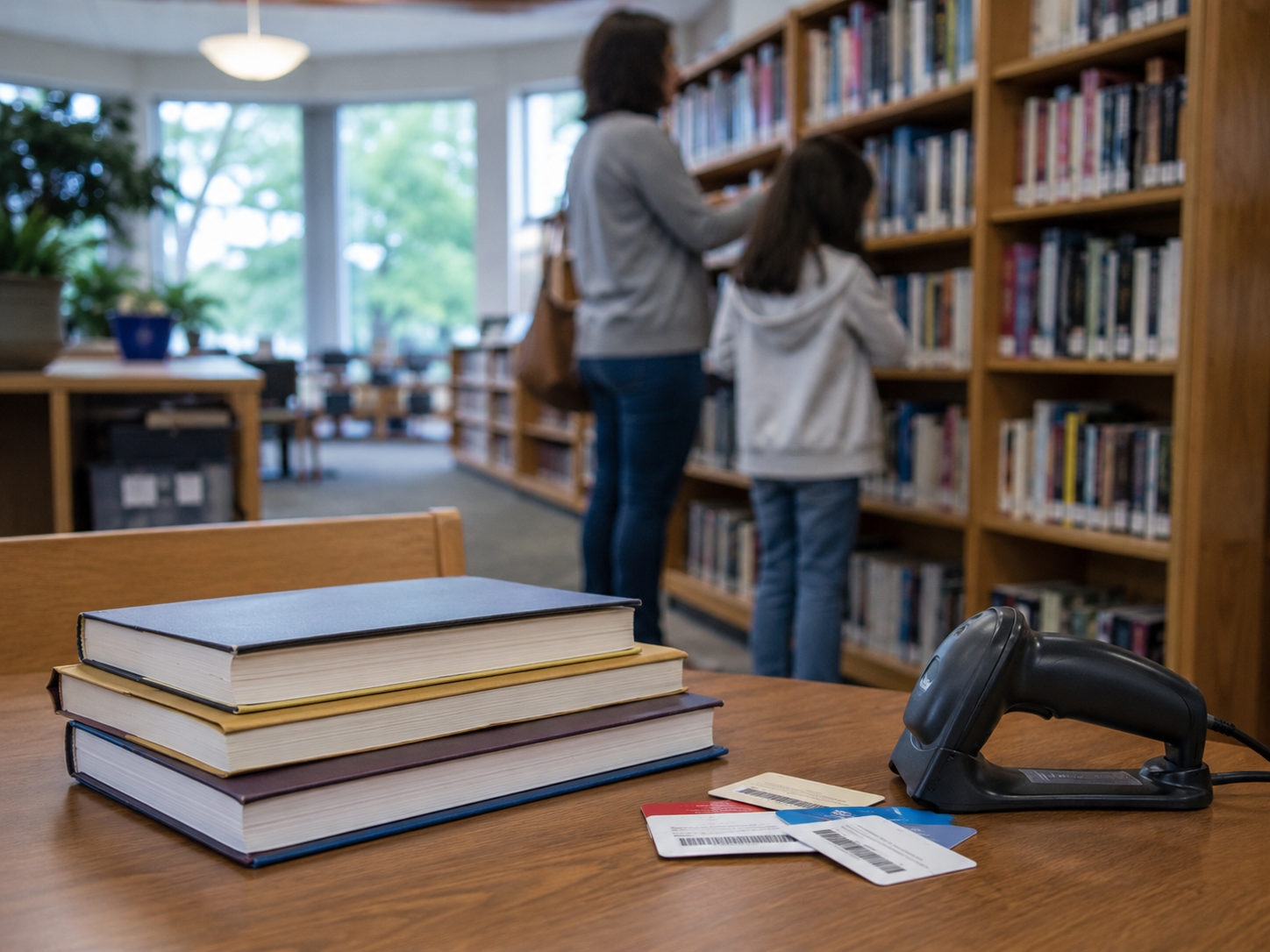
Book challenges are changing how some schools and libraries decide what readers can access. Editorial illustration by TheDailyGlobe.
Key Facts
- The American Library Association reported 4,235 unique titles challenged in 2025, the second-highest total it has documented.
- ALA reported 713 attempts to censor library materials and services in 2025, including 487 attempts that targeted books.
- PEN America reported 6,870 instances of school book bans during the 2024–25 school year.
- PEN America said those school book bans occurred across 23 states and 87 public school districts.
- PEN America reported nearly 4,000 unique titles affected by school book bans in the 2024–25 school year.
A parent, student or regular library user may hear the phrase “book ban” and wonder what it means in practice. Is a book gone from every shelf? Is it under review? Was it moved to another section? Can a student still borrow it with permission? The answer often depends on the local school, library system, state policy and review process.
What is clear is that challenges to books and library materials remain a major pressure point for schools and public libraries. Recent data from the American Library Association and PEN America shows that disputes over books are not isolated to one district or one kind of library. They are part of a larger national fight over what students and readers can access.
What the Numbers Show
ALA’s 2025 data points to a continued high level of book challenges, though its count reflects documented challenges reported through its tracking methods. PEN America’s school-focused data uses its own methodology for defining and tracking book bans, including cases where books are removed, restricted or made unavailable because of challenges or policy decisions.
Those differences matter. ALA and PEN America are both important sources in the free-expression and library-access debate, but their categories are not identical. Their numbers should not be blended into one total. Taken together, they show a sustained pattern of pressure on books in schools and libraries, while also showing why local details matter.
A single challenge can target one title, a group of books or an entire category of material. Some challenges lead to removal. Others end with a book restored, relocated, restricted by age or left unchanged after review. That is why the story is not only about lists of contested titles. It is about the process that determines what readers can find.
Why Access Is the Central Issue
Schools and libraries are not the same institution, and they serve different purposes. A school library supports students and educators inside an education system. A public library serves a broader community, including children, parents, adults, researchers and casual readers. But both become flashpoints when local communities disagree over whether particular books belong on shelves.
For students, the effect can be direct. A book that is removed or restricted may be harder to find for a class assignment, independent reading or personal curiosity. For parents, the issue can involve competing concerns: what their own children should read, what other families should be able to choose, and how much authority schools or libraries should have.
For librarians and teachers, repeated challenges can change more than one shelf. They can affect purchasing decisions, review procedures, staff time, public meetings and the willingness of institutions to carry books likely to draw complaints.
The Dispute Is Not One-Sided or Simple
People bring different motives and concerns to book challenges. Some parents and community members say they are trying to keep age-inappropriate material away from children. Free-expression groups and many librarians argue that repeated challenges can restrict access to books dealing with race, sexuality, gender, history, identity, violence, trauma or political subjects.
Those claims should be handled carefully. It would be inaccurate to say all parents, school boards, librarians or political groups think the same way. Local disputes vary, and the reasons for a challenge can differ from one community to another.
The harder question is where a community draws the line between parental concern, age-appropriate review, professional library judgment and public access to information. That line is being tested repeatedly in school board meetings, library systems and state legislatures.
What Remains Unclear
The latest data does not answer what will happen to every challenged book. Some titles may be restored after review. Some may remain restricted. Some may be moved to different shelves, limited by grade level or removed from school collections while remaining available at public libraries or bookstores.
It is also unclear whether challenge numbers will rise, fall or shift toward different kinds of materials in the next school year. State legislation, local elections, district policies, library board decisions and court fights could all affect how these disputes play out.
For readers, the most useful thing to watch is not only the national count. It is what happens locally: whether school boards change review rules, whether libraries revise collection policies, whether challenged books are restored or removed, and whether students and families can still find the books they are looking for.
Book challenges are often argued in national language, but access is experienced locally. The shelf that changes is in a school, a library branch, a classroom or a community. That is where the debate becomes real for readers.
Reporting note: Reporting draws on American Library Association data, PEN America reports, institutional tracking, public library and school access context, and reviewed background materials. This article was produced with AI-assisted research and reviewed by an editor before publication.