Backrooms Shows How Internet Folklore Is Becoming Studio Film
The internet-born horror concept has moved from online myth and YouTube videos to an A24 feature, showing how studios are drawing from creator-driven culture.
Save Article
Internet-born horror stories are increasingly moving from online communities to theater screens. Editorial illustration by TheDailyGlobe.
Key Facts
- Backrooms adapts an internet-born horror concept for the big screen.
- Kane Parsons developed Backrooms videos on YouTube before directing the feature.
- Associated Press reviewed Backrooms on May 27, 2026.
- The film's path runs from online horror and creator culture into studio-backed filmmaking.
- It remains unclear whether the movie will connect with audiences beyond people already familiar with the meme or online series.
A generation that grew up making, remixing and watching stories online is now seeing some of those internet-born worlds move onto theater screens.
Backrooms, the horror concept that began as an online myth and grew through creator-made videos, has reached the big screen as an A24 feature directed by Kane Parsons. Parsons developed Backrooms videos on YouTube before making the jump to feature filmmaking.
The film's arrival is not just a movie-release story. It is a sign of how entertainment companies are looking beyond books, comics, games and older franchises for material, turning instead toward online folklore, visual moods and creator communities that already have their own language.
From Online Myth to Movie Theater
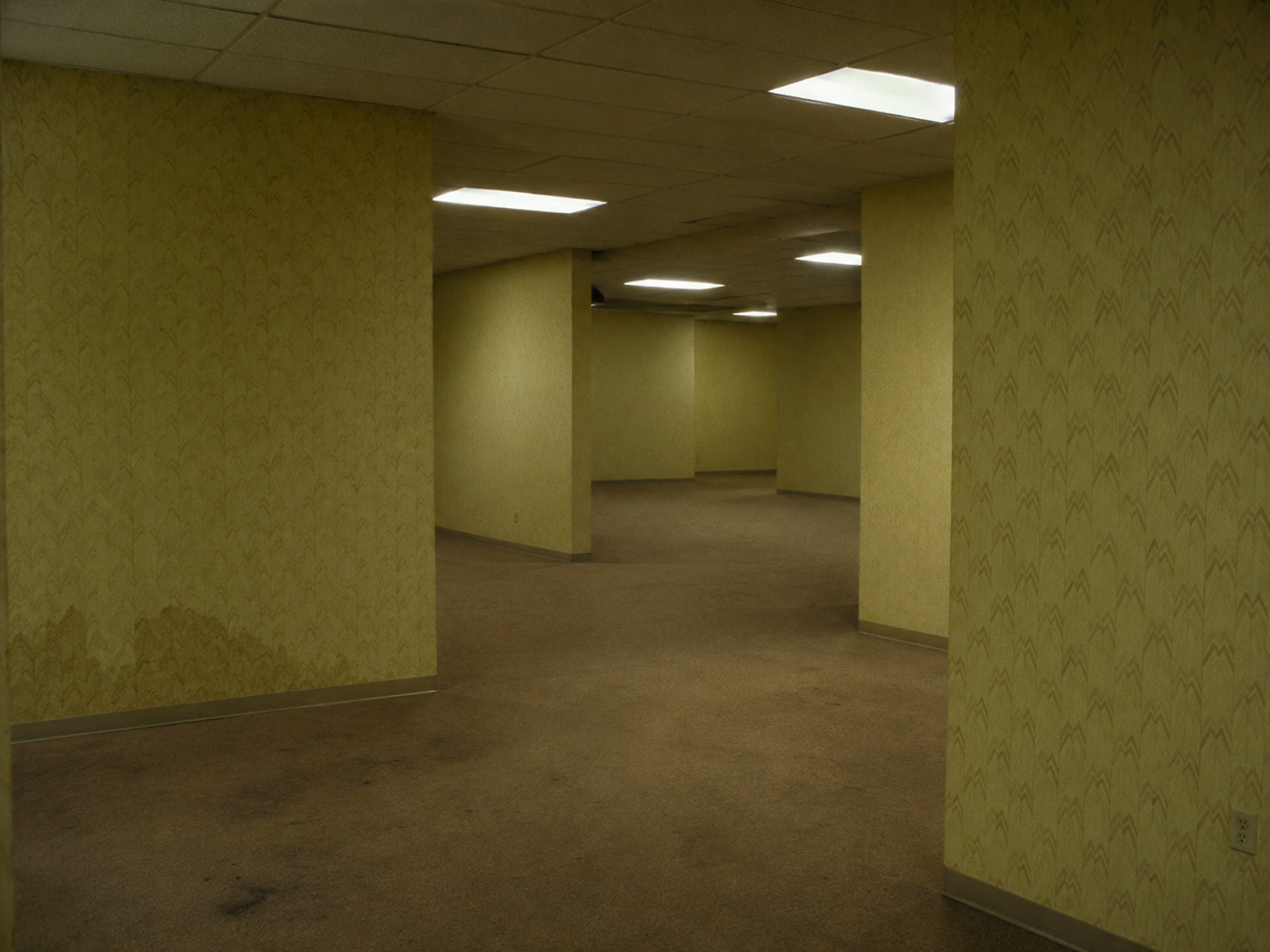
The Backrooms concept is built around a simple but unsettling idea: empty, maze-like spaces that feel familiar and wrong at the same time. The appeal is less about a traditional monster and more about mood, disorientation and the fear of being trapped somewhere that looks ordinary but behaves like a nightmare.
That made it well suited for the internet. Online horror can spread through images, short videos, forum posts and shared references before it ever becomes a finished story. People do not need a studio campaign to understand the feeling. They can encounter it in a clip, a screenshot or a thread and immediately understand the atmosphere.
Parsons became closely tied to the concept through his YouTube work, which helped give Backrooms a more cinematic shape before the feature film arrived. That path matters because it reverses the older entertainment pipeline. Instead of a studio creating a world and fans gathering around it, a creator community helped shape the world first.
Why Studios Are Looking Online
Studios have always looked for stories with built-in recognition. For years, that often meant novels, superheroes, remakes, toys, games or older film franchises. Backrooms points to another source: internet-native ideas that younger audiences may know before they ever see a trailer.
That does not mean every meme can become a movie. Most cannot. A meme can create awareness, but a feature film still needs pacing, characters, tension and a reason for viewers to stay with the story beyond the initial concept.
The better way to understand Backrooms is as a test case. It shows that studios are paying attention to online worlds that already have a mood, a following and a flexible mythology. It also shows the challenge of turning something open-ended and participatory into a finished film with a beginning, middle and end.
The Review Is Separate From the Cultural Shift
Associated Press reviewed the film as atmospheric but uneven. That is a critical judgment, not a settled fact about how audiences will respond. Horror fans, online communities and general moviegoers often react differently to the same film.
That distinction matters here. Backrooms can be culturally interesting even if reviewers disagree on how well the movie works. The larger story is about how a strange online idea traveled far enough to become a studio release, and what that says about where entertainment companies are now looking for new material.
For viewers who already know the online series or the broader Backrooms myth, the film may feel like a translation of something familiar. For viewers who come in cold, the question is whether the movie can explain the fear without flattening what made the idea eerie in the first place.
What Remains Unclear
The biggest unanswered question is whether Backrooms can reach beyond the online horror community that helped make the concept recognizable. A theatrical release asks a different kind of audience to buy into the world, including people who may not know the meme, the YouTube videos or the visual style that shaped it.
It is also too early to know whether more studios will follow this path in a serious way. One film does not prove a permanent shift. But it does show that internet folklore is no longer sitting entirely outside the film business.
The risk for studios is treating online culture as a shortcut. The reason ideas like Backrooms work online is not only recognition. It is the feeling that the audience is discovering, adding to and sharing something that does not belong completely to one company.
What To Watch Next
The next signs to watch are box office response, audience reaction and whether the film finds viewers beyond the people who already followed the online mythology. Critical reception will matter, but fan response may matter just as much for a project that came from internet culture.
The longer-term question is whether studios can adapt internet-native stories without sanding off the qualities that made them interesting in the first place. Backrooms shows the opportunity. It also shows the difficulty.
For now, the film marks a clear moment in the entertainment pipeline: a horror idea born online, shaped by a young creator and carried into theaters by a studio willing to bet that internet folklore can hold a movie screen.
Reporting note: Reporting draws on Associated Press review coverage, creator interviews, entertainment reporting, and reviewed internet-culture context. This article was produced with AI-assisted research and reviewed by an editor before publication.