Trump Says He Is Considering Temporary Federal Gas Tax Suspension
President Donald Trump said Monday he is considering a temporary suspension of the federal gas tax as fuel prices rise alongside renewed global oil market tensions.
Save Article
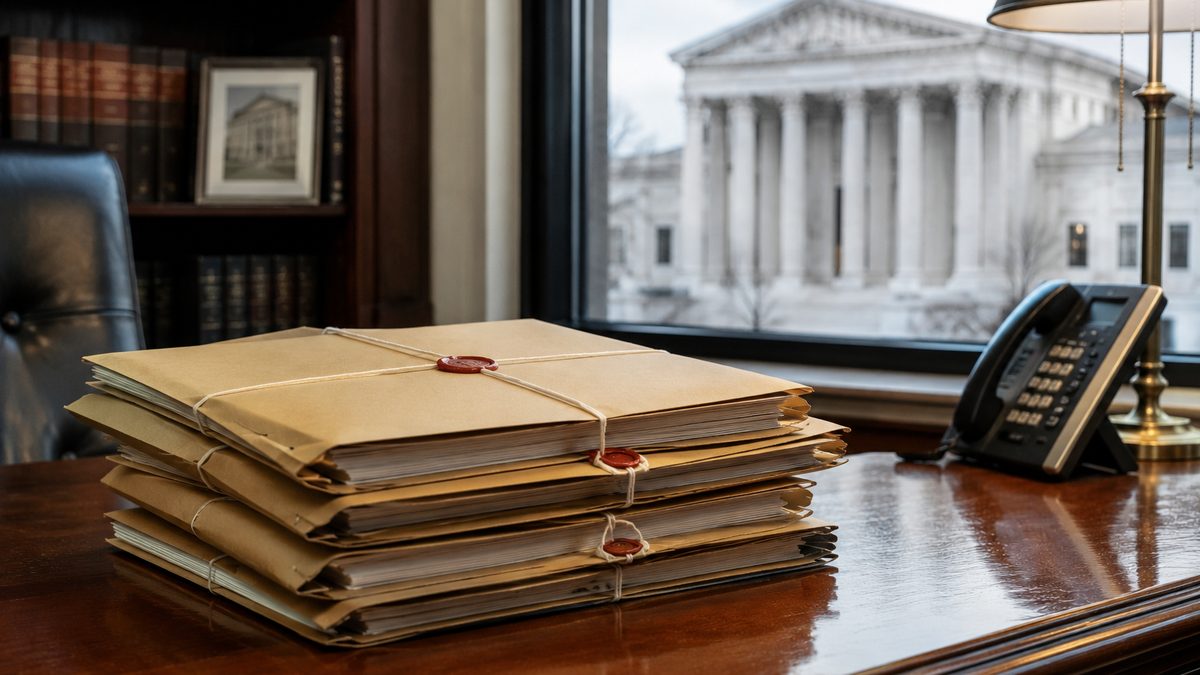
President Donald Trump said Monday he is considering a temporary suspension of the federal gas tax as fuel prices rise alongside renewed global oil market tensions. Editorial illustration by TheDailyGlobe.
Key Facts
- Trump said he is considering a temporary suspension of the federal gas tax.
- Oil prices rose amid renewed Middle East tensions.
- The federal gasoline tax helps fund highway and transportation programs.
- Economists remain divided on whether gas tax holidays meaningfully lower prices for consumers.
- Temporary gas tax suspensions have been proposed during past fuel price spikes by both parties.
President Donald Trump said Monday that he is considering a temporary suspension of the federal gas tax as fuel prices climb alongside renewed tensions affecting global oil markets. The comments come as drivers across the country continue watching gasoline costs closely heading into the summer travel season.
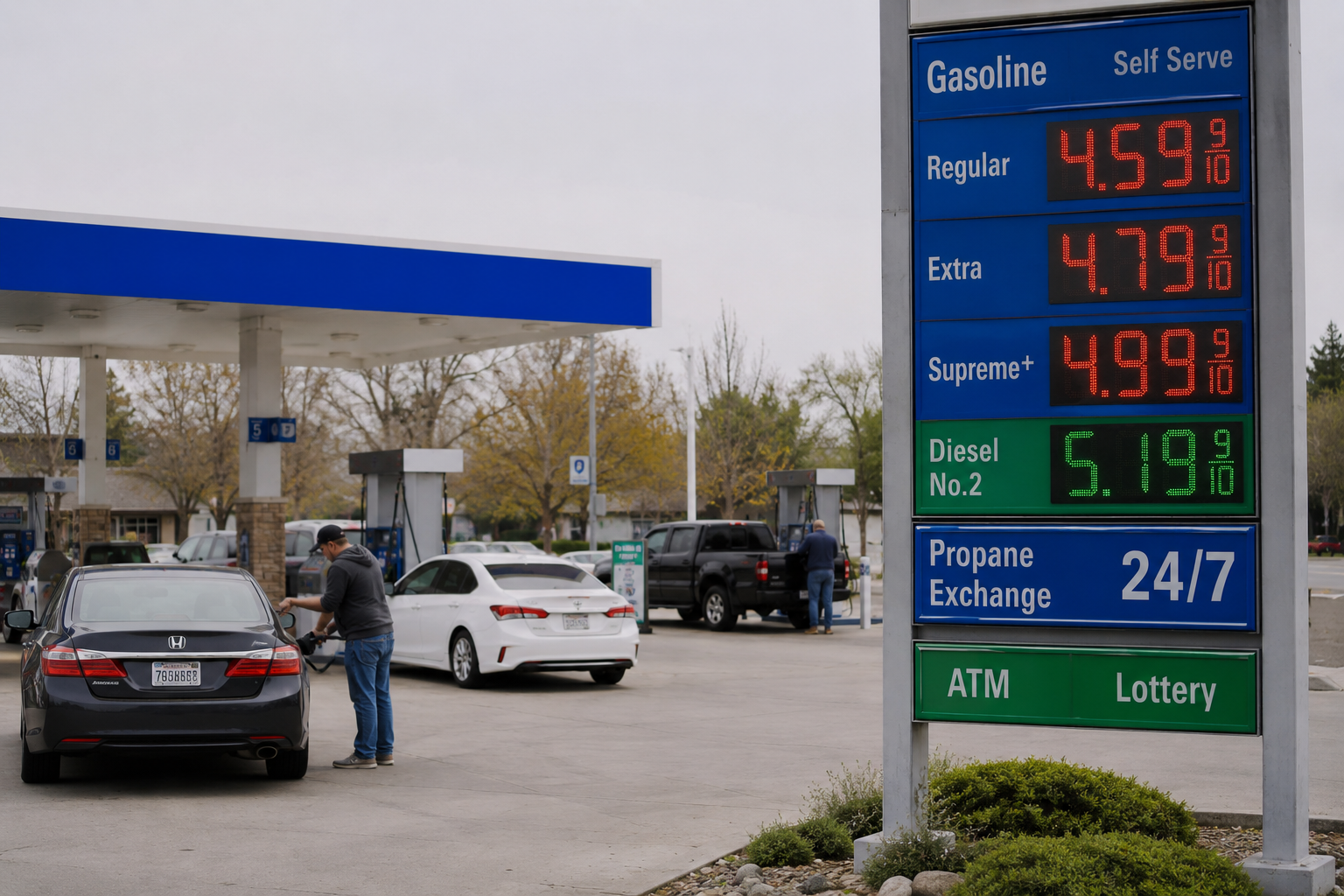
Trump discussed the idea publicly during a period of rising oil prices tied in part to instability in the Middle East and broader concerns about energy supply pressures. Fuel prices remain a politically sensitive issue because they affect household budgets quickly and visibly, especially for commuters and families that rely heavily on driving.
The proposal is not new in American politics. Both Republicans and Democrats have floated temporary gas tax holidays during previous spikes in fuel prices. Supporters argue suspending the tax can provide immediate relief to consumers, while critics say the savings are often limited and may not fully reach drivers.
How the Federal Gas Tax Works
The federal gasoline tax is currently set at 18.4 cents per gallon for regular gasoline. The tax is collected from fuel distributors and refiners, with costs generally passed through the supply chain to consumers at the pump.
Revenue from the tax mainly supports the federal Highway Trust Fund, which helps pay for roads, bridges, and transportation infrastructure projects across the country. Diesel fuel carries a separate federal tax rate that is slightly higher.
Drivers also pay state gasoline taxes, which vary depending on where they live. In some states, combined fuel taxes can add significantly to the final retail price of gasoline.
Because fuel taxes are built into the final price consumers pay, proposals to suspend them are often presented as a way to provide short-term relief during periods of inflation or supply disruptions.
Why the Issue Returned Now
The discussion resurfaced this week as oil markets reacted to renewed geopolitical concerns in the Middle East. Oil prices can move quickly when traders worry about disruptions to global supply routes or production levels.
Gasoline prices are influenced by several factors at once, including crude oil costs, refining capacity, seasonal demand, transportation expenses, and taxes. Crude oil prices remain one of the largest drivers of overall fuel costs.
Higher gasoline prices also carry broader economic consequences. Fuel costs affect shipping expenses, commuting costs, airline prices, and consumer confidence. When gas prices rise sharply, many households reduce spending in other areas.
The timing also matters politically. Energy costs remain a major concern for voters during periods of inflation, and proposals tied to gas prices often gain attention because they directly affect daily expenses for millions of Americans.
What Economists Say About Gas Tax Holidays
Economists have long debated whether temporary gas tax suspensions provide meaningful relief to consumers. Some analysts argue that reducing taxes can lower pump prices immediately, particularly if retailers pass the savings directly to drivers.
Others are more skeptical. Critics of gas tax holidays say savings are sometimes partially absorbed elsewhere in the fuel supply chain instead of fully reaching consumers. They also argue that temporary tax cuts may have limited impact if oil prices continue climbing for other reasons.
Some economists also warn that suspending fuel taxes can reduce revenue needed for transportation projects without solving the broader supply and demand pressures driving prices higher.
Supporters of gas tax holidays counter that even modest savings can matter during periods of economic strain, especially for lower-income households and workers with long commutes.
Historical Precedent
The idea of suspending gas taxes during price spikes has surfaced repeatedly over the last two decades. Lawmakers from both parties have proposed temporary pauses on federal or state fuel taxes during periods of elevated energy prices.
In 2022, discussions about gas tax holidays gained national attention as inflation and energy prices climbed sharply following global supply disruptions tied to the war in Ukraine. Several states temporarily reduced or suspended their own fuel taxes during that period.
Results varied depending on market conditions and how long the tax changes remained in effect. In some cases, analysts found consumers saw at least partial savings at the pump. In others, the impact appeared more limited because fuel markets remained volatile.
What Happens Next
No formal federal gas tax suspension policy was announced Monday, and it remains unclear whether any proposal would gain support in Congress. Any federal change would likely require legislative action unless structured through other temporary emergency measures.
For now, energy markets remain focused on oil supply conditions and geopolitical developments overseas. Those broader market pressures are expected to continue shaping fuel prices in the near term.
Drivers are likely to keep watching gasoline prices closely in the coming weeks as summer travel demand increases and policymakers continue debating possible responses to rising energy costs.
Reporting note: Reporting draws on CBS News coverage, market reporting, historical fuel tax policy context, and reviewed economic background materials. All claims This article was produced with AI-assisted research and reviewed by an editor before publication.