Tariff Costs Are Moving From Trade Policy Into Business Planning
Tariffs are not just a Washington trade fight. For businesses, they can affect sourcing, inventory, pricing, and how much cost eventually reaches consumers.
Save Article
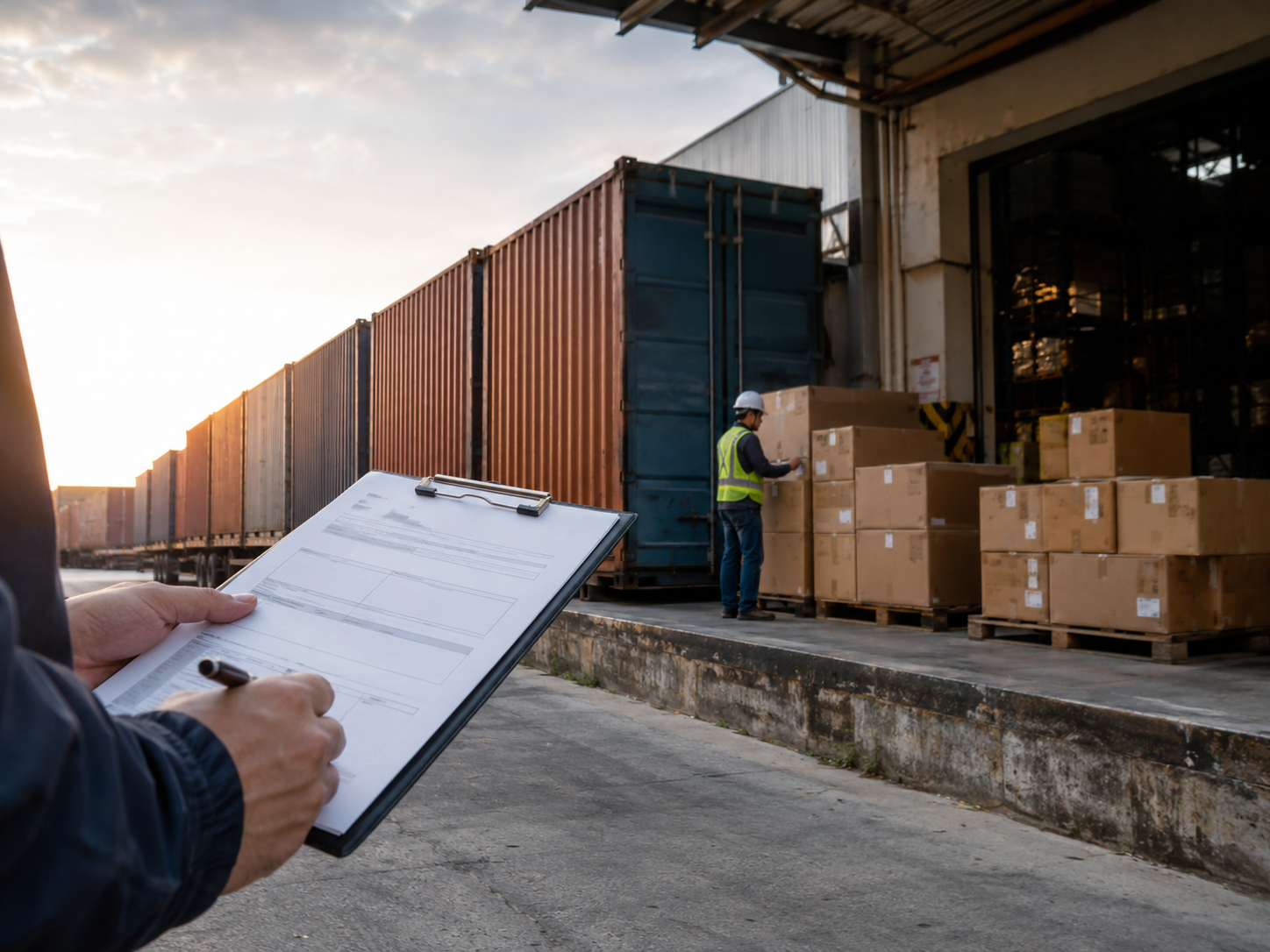
Tariff uncertainty can affect pricing, sourcing, and inventory decisions long before consumers see final prices. Editorial illustration by TheDailyGlobe.
Key Facts
- Associated Press reported May 20 that the European Union agreed to implement a U.S. trade deal after internal debate.
- Tax Foundation's tariff tracker says 2026 tariff actions apply to a large share of annual imports and create costs for businesses and consumers.
- Yale Budget Lab tracks the economic effects of tariffs and notes substantial new tariff revenue above recent historical levels.
- The Peterson Institute for International Economics maintains a tracker measuring how much tariff revenue the U.S. is collecting from importers over time.
Tariffs often sound like a fight between governments. For many businesses, they are more practical than political: a cost that has to be planned for, priced around, absorbed, delayed, or passed along.
That is why recent trade developments matter beyond Washington. Associated Press reported that the European Union agreed to implement a U.S. trade deal after internal debate. At the same time, tariff trackers from the Tax Foundation, Yale Budget Lab, and the Peterson Institute for International Economics point to the broader business question: how much added cost is moving through the economy, who pays it first, and how much eventually reaches consumers.
The answer is not simple. A tariff is usually collected from importers, but the cost does not always stop there. It can move through wholesalers, retailers, manufacturers, contractors, and households in different ways depending on the product, the market, and how much pricing power a company has.
How Tariffs Become Business Costs
A tariff is a tax on imported goods. The importer pays it when the goods enter the country. From there, the cost becomes a business decision.
A company may absorb some of the cost to avoid raising prices. It may raise prices and risk losing sales. It may switch suppliers, look for goods from another country, reduce inventory, or delay an order until the rules are clearer. Larger companies may have more room to negotiate or shift sourcing. Smaller companies may have fewer options.
That is why tariffs can show up before consumers notice them directly. A business does not have to change the shelf price immediately for the tariff to matter. It may first affect purchasing plans, supplier contracts, warehouse timing, or profit margins.
Why Planning Gets Harder
For business owners and managers, uncertainty can be as important as the tariff rate itself. If a company does not know whether a tariff will stay in place, be changed by a trade agreement, or be altered by a court challenge, planning becomes harder.
That uncertainty can affect decisions months before a product reaches a customer. Importers may bring in goods earlier than usual, wait for more clarity, or adjust order sizes. Retailers may decide whether to stock more inventory now or avoid being stuck with goods that become more expensive later. Manufacturers that depend on imported parts may have to review cost estimates before signing new contracts.
The AP report on the EU trade deal is one example of why businesses watch these negotiations closely. A trade deal can change expectations, but the practical business impact depends on the final terms, timing, and whether companies believe the rules are stable enough to plan around.
What Consumers May See Later
Consumers do not always see tariffs as a line item. They may see them as a higher price, fewer discounts, a different product mix, or slower availability of certain goods.
But it would be too simple to say every tariff automatically becomes a matching price increase. The source material does not support that kind of certainty. Some businesses may pass along costs. Others may absorb them for a while. Some may find new suppliers. Others may reduce choices instead of raising prices immediately.
That is the main reader takeaway. Tariffs can affect household costs, but the path is uneven. The first impact may be inside a company's planning spreadsheet, warehouse, or supplier contract. The consumer impact may come later, and it may differ by product.
What Remains Unclear
The biggest unknown is how much of the tariff cost businesses will absorb versus pass on to consumers. That answer can vary by industry and by company. A business with strong demand may have more room to raise prices. A business facing price-sensitive customers may have to eat more of the cost or find another way to adjust.
It is also unclear whether trade agreements or court challenges will change the final tariff structure. That matters because businesses may make one set of plans under today's rules and another if the rules change.
A third open question is which sectors will face the most durable pressure. The handoff material shows that tariff actions apply broadly and that tariff revenue is being tracked, but it does not establish exactly which industries will pass along costs most sharply or how long those costs will last.
The Practical Bottom Line
Tariffs are often argued over in political language, but businesses experience them in operational language: cost, timing, inventory, contracts, suppliers, and prices.
For readers, the useful point is not whether tariffs are wholly good or wholly bad. The useful point is how they move through the economy. They start as trade policy. They become importer costs. Then they can become business decisions that shape what companies buy, what they stock, how they price, and what consumers may eventually pay.
That process can take time. It can also be uneven. The clearest thing the current source material supports is that tariffs are no longer just a policy debate. They are part of business planning now.
Reporting note: Reporting draws on trade reporting, tariff trackers, economic analysis, tariff revenue data, and reviewed background materials. This article was produced with AI-assisted research and reviewed by an editor before publication.