Retail Sales Rose, But Family Budgets Still Feel Tight
May retail sales climbed more than expected, but the numbers do not prove families feel financially comfortable. Higher prices may be part of the story.
Save Article
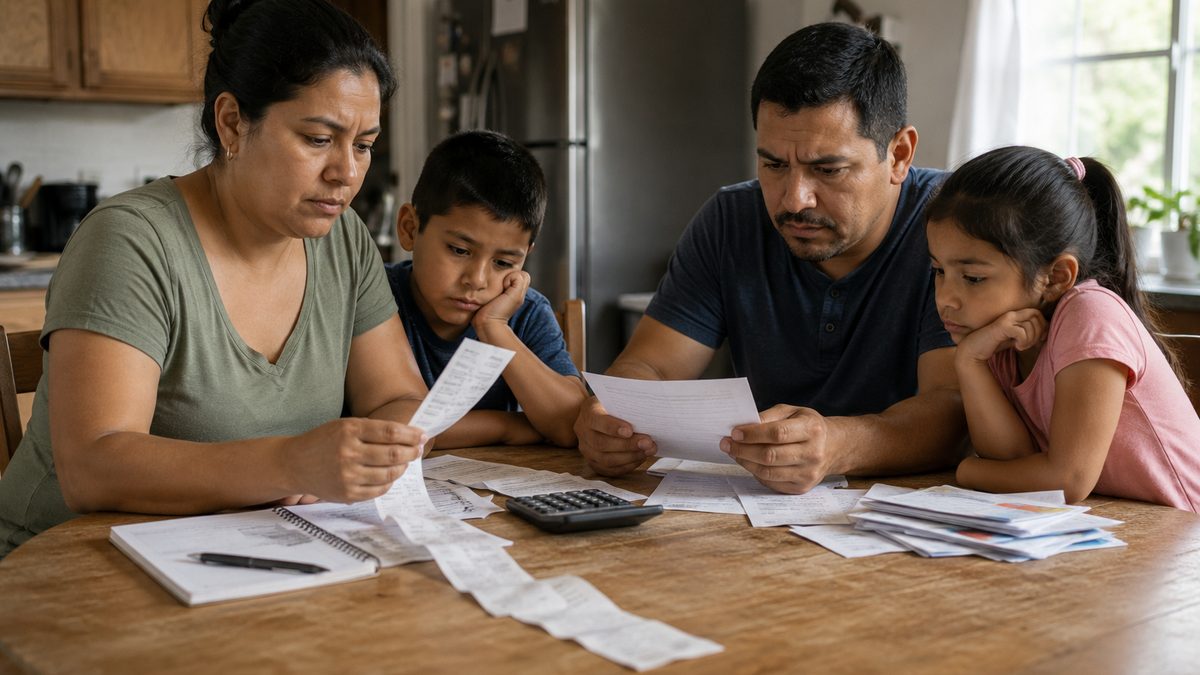
Retail sales can rise even when families feel squeezed by groceries, gas, bills, and everyday necessities. Editorial illustration by TheDailyGlobe.
Key Facts
- The Census Bureau reported May retail and food services sales of $763.7 billion, up 0.9 percent from April.
- May sales were 6.9 percent higher than in May 2025, according to Census data.
- The Census retail sales figures are adjusted for seasonal patterns but not for price changes.
- Associated Press reported that May retail sales rose more than expected.
- The Bureau of Labor Statistics reported that consumer prices were up 4.2 percent over the previous 12 months in May.
A family can spend more in a month and still feel like it is falling behind. One grocery run costs more than expected. A tank of gas takes a bigger bite. Kids need clothes, summer supplies, shoes, repairs, or a last-minute trip to the store. By the end of the week, the receipts show plenty of spending, but not necessarily more comfort.
That is the tension inside the latest retail sales report. The U.S. Census Bureau reported Wednesday that retail and food services sales rose in May, a stronger showing than many economists expected. On paper, it points to consumers still buying. Around kitchen tables, it may feel more complicated.
What the Retail Sales Number Shows
Retail sales are one of the clearest monthly snapshots of consumer activity. They show what people are spending at stores, restaurants, gas stations, online retailers, auto dealers, and other sellers. When sales rise, it can mean households are confident enough to buy more. It can also mean they are paying more for many of the same things.
The May report showed total retail and food services sales at $763.7 billion, up 0.9 percent from April. Census also reported that sales were 6.9 percent above May 2025. Associated Press described the increase as stronger than expected, with shoppers spending more even as many households continue to face pressure from prices.
But the report has an important limit: it is not adjusted for inflation. That means the dollar amount can rise even if families are not bringing home more goods. If groceries, fuel, clothing, repairs, or household basics cost more, the register total goes up. The family may be spending more because life costs more, not because money suddenly feels easy.
Why Strong Spending Can Still Feel Bad
For lower-middle-income families, spending is often not optional. Groceries cannot be skipped. Cars still need gas. Children still need school clothes, medicine, sports gear, or basic supplies. A broken appliance, a higher utility bill, or a small car repair can turn an ordinary month into a scramble.
That is why a stronger retail sales number can sound disconnected from daily life. Economists may see resilient consumer demand. Families may see receipts piling up faster than paychecks. Both can be true at the same time.
The Bureau of Labor Statistics reported that consumer prices were 4.2 percent higher in May than a year earlier. That inflation context matters because it helps explain why stronger sales do not automatically mean stronger household finances. A family may spend more at the grocery store, the gas station, or online without feeling like it bought anything extra.
The same tension shows up for small businesses. A local store may see customers come through the door, but those customers may be more careful about what they buy. A restaurant may still have traffic, while families skip appetizers, share meals, or eat out less often. A mechanic, discount retailer, or grocery store may see steady demand because people need those services, not because shoppers are relaxed.
What the Data Does Not Prove
The May retail sales report does not prove families are financially healthy. It does not show how much of the increase came from people buying more items versus paying higher prices. It does not show whether families used cash, debit cards, credit cards, savings, or tax refunds. It also does not break the national number into a simple picture of how lower-income, lower-middle-income, and higher-income households are doing.
That distinction matters. Higher-income households may be able to keep spending with less strain. Families closer to the edge may keep spending because the expenses are unavoidable. A national retail number blends those experiences together.
It would also be a mistake to assume debt is driving the increase without stronger evidence. Credit use is an important question for household finances, but this retail sales report by itself does not answer it. What it does show is that money kept moving through the consumer economy in May, even while prices remained a real pressure point.
What Families and Businesses Should Watch Next
The next few months will help show whether May was a sign of steady consumer strength or a temporary burst in spending. Summer often brings extra costs for families, including travel, child care, food, fuel, clothing, school preparation, and home repairs. Those expenses can keep sales elevated while household stress remains high.
The key question is not only whether people keep spending. It is how they are managing it. Future retail sales reports will show whether sales keep rising. Inflation data will show whether prices are easing or staying high. Real earnings data can help show whether paychecks are keeping up. Credit-card delinquency and gas-price data can add more detail about where pressure is building.
For now, the simplest reading is also the most honest one: consumers are still spending, but that does not mean every family feels secure. The receipts may show a strong economy. They may also show why so many households feel like the same normal week costs more than it used to.
Reporting note: Reporting draws on U.S. Census Bureau retail sales data, Bureau of Labor Statistics inflation data, Associated Press reporting, and reviewed economic background materials. This article was produced with AI-assisted research and reviewed by an editor before publication.