Oil Shock Fears Return as Iran Standoff Complicates Inflation Outlook
Rising tensions involving Iran and the Strait of Hormuz are pushing oil prices higher again, adding fresh uncertainty to inflation and interest-rate expectations across the global economy.
Save Article
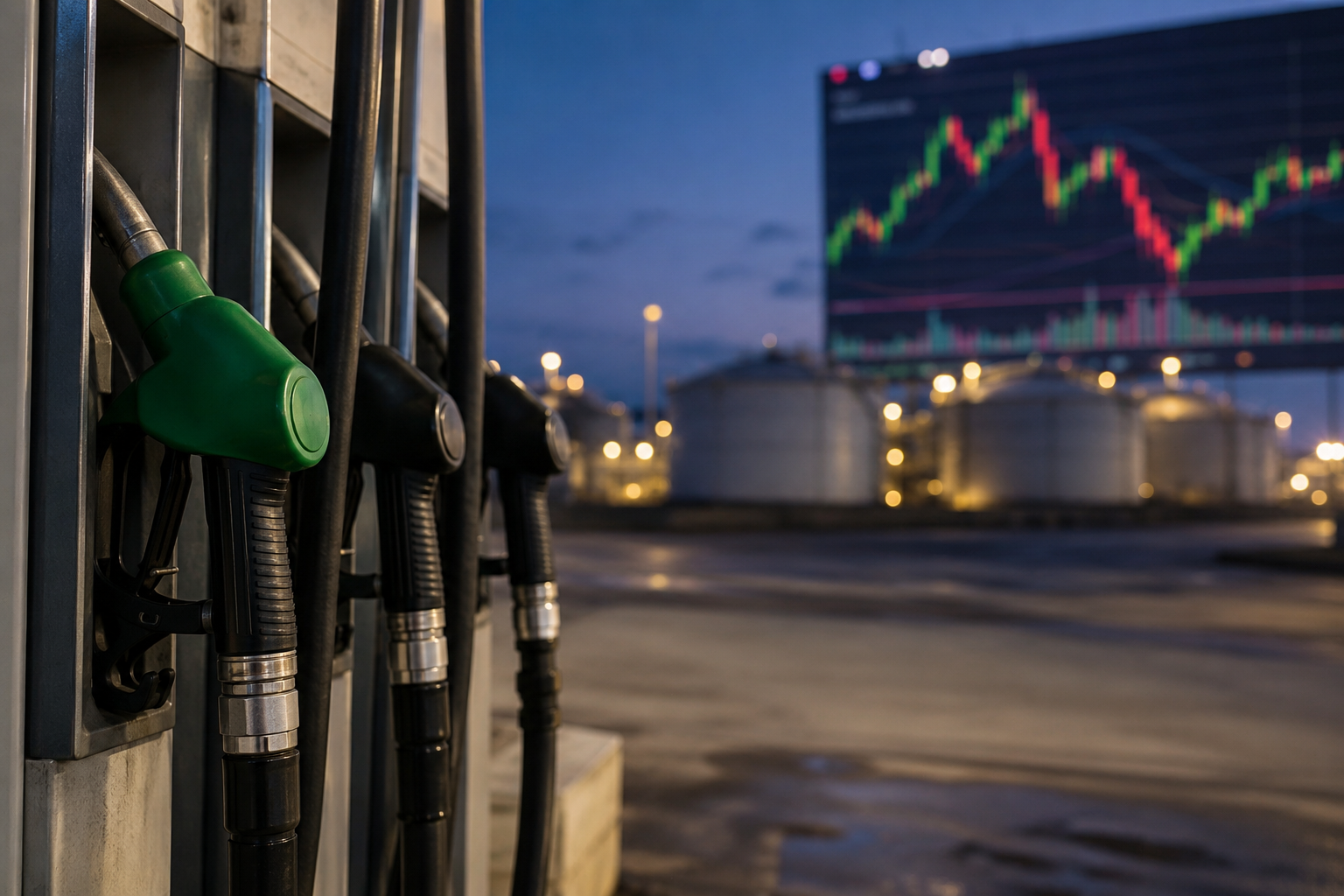
Rising tensions involving Iran and the Strait of Hormuz are pushing oil prices higher again, adding fresh uncertainty to inflation and interest-rate expectations across the global economy. Editorial illustration by TheDailyGlobe.
Key Facts
- Oil prices rose after Trump rejected Iran's latest response in the ongoing standoff.
- The Strait of Hormuz remains a major concern because of its role in global oil shipments.
- Energy market uncertainty is increasing inflation concerns worldwide.
- Higher oil prices can affect gasoline, shipping and consumer goods costs.
- The Federal Reserve continues balancing inflation risks against interest-rate policy decisions.
Oil markets are once again becoming a major source of economic anxiety as tensions involving Iran raise concerns about global energy supplies and the broader inflation outlook. Prices climbed after former President Donald Trump rejected Iran's latest response in the ongoing standoff, renewing fears that instability in the Middle East could disrupt one of the world's most important shipping routes for crude oil.
At the center of the concern is the Strait of Hormuz, a narrow waterway that connects the Persian Gulf to global shipping lanes. A large share of the world's oil exports passes through the strait every day, making it one of the most sensitive pressure points in the global economy. Even without a full disruption, the possibility of instability can push traders, shipping companies and financial markets into defensive positions.
For American consumers, the impact of oil shocks can move quickly beyond headlines about geopolitics. Higher crude prices often feed into gasoline costs, airline tickets, shipping expenses and the price of goods that rely on transportation. Economists and central bankers are now watching closely to see whether another energy-driven price spike could slow recent progress on inflation.
Why Oil Prices Matter Beyond the Energy Sector
Oil is deeply tied to the broader economy because it affects transportation, manufacturing and supply chains. When crude prices rise sharply, businesses often face higher operating costs. Trucking companies pay more for fuel, airlines spend more on jet fuel and shipping firms see transportation costs increase across global trade routes.
Those higher expenses can eventually reach consumers. Grocery prices, household goods and delivery services can all become more expensive when transportation and production costs climb. While the effects are not always immediate, sustained increases in oil prices tend to add pressure throughout the economy.
Gasoline prices are usually the most visible sign for households. Drivers often notice changes at the pump within days or weeks of major swings in crude oil markets. Higher gas prices can also influence consumer confidence because fuel costs are a regular expense for most families.
Energy prices also matter psychologically. When consumers see gas prices rise quickly, they may become more worried about inflation overall. Businesses can respond the same way, preparing for higher costs even before supply disruptions fully materialize.
The Strait of Hormuz and Global Risk
The Strait of Hormuz has long been viewed as one of the world's most important energy chokepoints. The narrow passage handles a significant portion of global oil and liquefied natural gas shipments. Any threat to shipping traffic there can create immediate volatility in energy markets.
Market reactions are often driven as much by uncertainty as by actual supply losses. Traders closely monitor political statements, military activity and diplomatic developments involving Iran and regional powers. Even the perception of higher risk can cause energy companies and shipping operators to adjust pricing and logistics plans.
Analysts note that oil markets tend to react quickly because modern supply chains are tightly interconnected. A disruption affecting one region can ripple into fuel markets, freight costs and manufacturing decisions across multiple continents.
The latest tensions come at a time when global economies are already dealing with uneven growth, elevated borrowing costs and lingering concerns about inflation. That combination has made investors especially sensitive to any new risks tied to energy supplies.
What It Means for Inflation
Inflation has cooled from the highs seen during the post-pandemic surge, but energy prices remain one of the fastest ways inflation pressures can return. Oil-related costs can spread broadly through the economy because fuel is tied to transportation and production in nearly every industry.
Central banks, including the Federal Reserve, typically pay close attention to whether higher energy prices become temporary spikes or longer-lasting inflation pressures. Short-term jumps in gasoline prices do not always change long-term policy decisions, but sustained increases can complicate efforts to stabilize prices.
Federal Reserve officials have continued emphasizing the importance of returning inflation closer to their long-term target. Public statements from the central bank in recent months have reflected continued caution about declaring victory over inflation too early.
If energy prices remain elevated for an extended period, it could make inflation readings more difficult to control. That does not automatically mean additional rate increases are coming, but it can influence how policymakers view future economic risks.
Why Markets Are Watching the Federal Reserve
Financial markets closely track the relationship between oil prices and Federal Reserve policy because borrowing costs affect everything from mortgages to business investment. When inflation risks rise, investors often reassess expectations for interest rates.
Higher interest rates are generally used to slow inflation by reducing borrowing and spending across the economy. But keeping rates elevated for too long can also weigh on economic growth and increase pressure on consumers already dealing with higher prices.
That balancing act has become more difficult in periods of geopolitical instability. Policymakers must decide whether inflation pressure is likely to fade on its own or become more deeply embedded in the economy.
For now, economists say the key question is not simply whether oil prices rise temporarily, but whether energy costs stay high enough long enough to affect broader inflation trends and consumer behavior.
What Consumers May Notice
For most Americans, the first visible effect of rising oil prices is usually gasoline costs. But energy-related price increases can eventually appear in shipping charges, airline fares and the cost of everyday goods transported across long distances.
Businesses may also become more cautious during periods of energy uncertainty. Companies facing higher fuel or transportation expenses sometimes delay expansion plans, adjust hiring or pass some costs to customers.
Economists caution against assuming that every geopolitical flare-up will lead to a major economic shock. Energy markets often react sharply in the short term before stabilizing. Still, the current tensions are reinforcing how closely connected global politics, energy supplies and household budgets remain.
The coming weeks will likely bring continued attention to oil markets, inflation data and Federal Reserve messaging as investors and consumers look for signs of whether the latest energy concerns become a temporary market scare or a more persistent economic challenge.
Reporting note: Reporting draws on Associated Press coverage of the Iran standoff, oil market reporting, Federal Reserve public materials, and reviewed economic background context. All claims This article was produced with AI-assisted research and reviewed by an editor before publication.