Meta’s Reported Layoffs Show How Big Tech Is Reworking Management Layers Around AI
Reported layoffs at Meta point to a wider big-tech question: how companies are flattening management, shifting resources toward AI, and trying to stay lean without clear answers yet on who is most affected.
Save Article
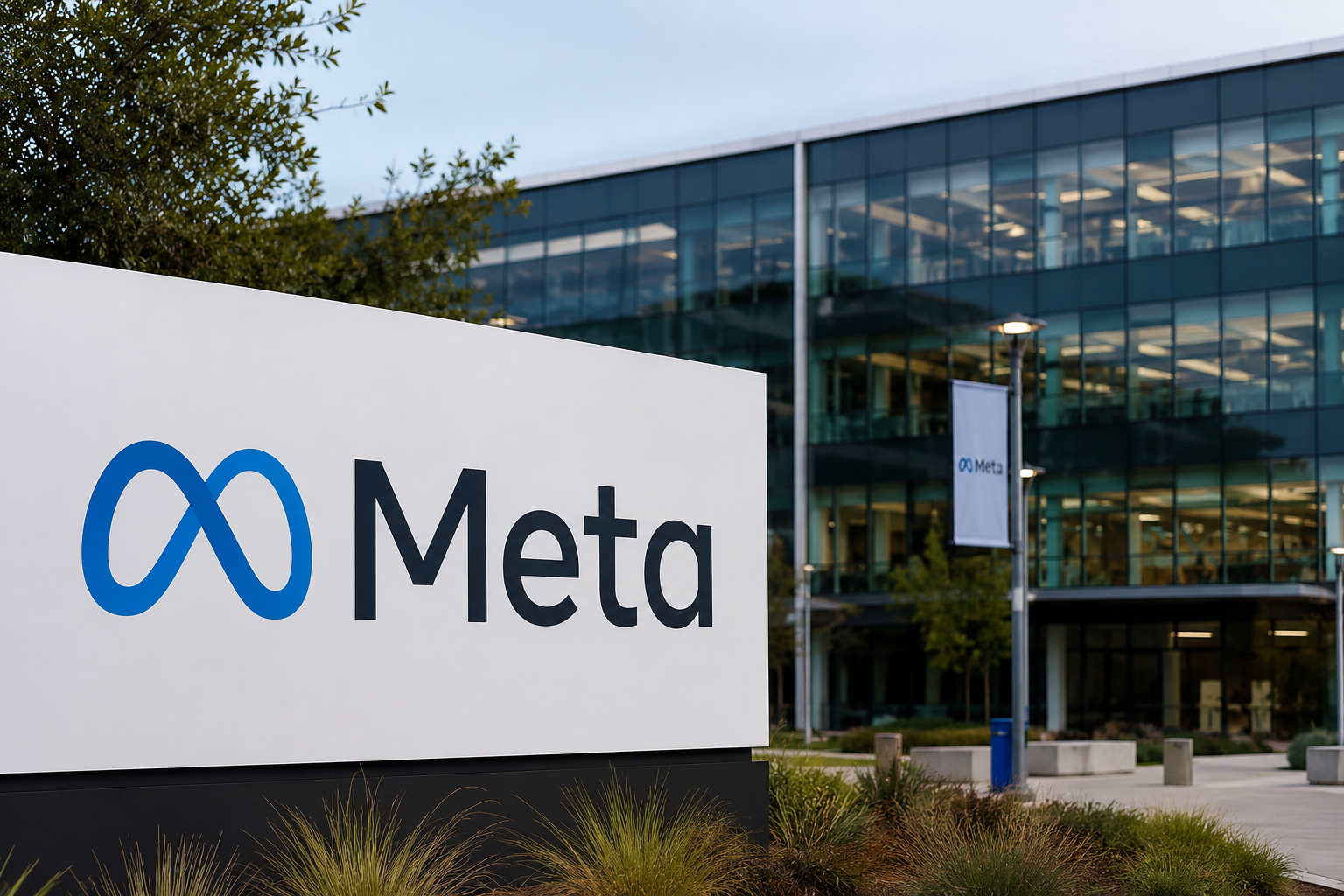
Reported layoffs at Meta point to a wider big-tech question: how companies are flattening management, shifting resources toward AI, and trying to stay lean without clear answers yet on who is most affected. Editorial illustration by TheDailyGlobe.
Key Facts
- Business Insider reported Meta is preparing major layoffs involving about 10% of its workforce.
- Reporting said the cuts are expected to include managerial roles.
- Reporting said some employees would be redeployed toward AI-focused initiatives.
- The restructuring has been framed around flatter teams, efficiency, and AI investment.
- Details should be attributed to reporting and internal-memo accounts unless Meta publicly confirms them.
Meta is reportedly preparing another major round of layoffs, but the clearest story is not simply that artificial intelligence is replacing workers.
Business Insider reported that Meta is preparing major layoffs involving about 10% of its workforce. Reporting said the cuts are expected to include managerial roles, and that some employees would be redeployed toward AI-focused initiatives. The restructuring has been framed around flatter teams, efficiency, and AI investment.
For readers, the useful point is more careful than the easy headline. The available source material does not show that AI directly replaced all affected workers. It shows a major technology company reportedly changing management layers and moving some resources toward AI-related work.
What Is Reported
The reported cuts are part of a company story about structure. Business Insider described major layoffs tied to internal planning, while other reporting pointed to notices and memo accounts around the timing of the cuts. The handoff for this article makes clear that the details should be treated as reported, not as fully confirmed by Meta in a public company announcement.
That distinction matters. Layoffs can involve different outcomes: workers may be dismissed, moved into other roles, reorganized under new teams, or asked to shift toward different priorities. The source material says some employees would be redeployed toward AI-focused initiatives, but it does not fully identify which teams will be cut, reassigned, or expanded.
The reported inclusion of managerial roles is also important. A management-layer reduction suggests a company trying to flatten decision-making, reduce internal complexity, or change how teams operate. That is different from a story focused only on entry-level workers or a single product group.
Why AI Is Part of the Story
AI matters here because the reporting links the restructuring to AI investment and redeployment toward AI-focused work. Big technology companies are spending heavily to build, integrate, and commercialize AI tools. That can change which teams grow, which teams shrink, and which managers are considered necessary.
But this is where the wording has to stay disciplined. A company can reorganize around AI without every affected job being directly replaced by AI. Some cuts may be about efficiency, management structure, costs, product priorities, or shifting resources. The handoff specifically warns against a simplistic “robots took the jobs” frame, and that warning is right.
The better reading is that AI is changing the internal map of big tech. Companies are deciding where to place engineers, product managers, researchers, executives, and support teams as AI becomes a larger part of their business plans.
What Remains Unclear
Several core details remain unclear. The first is the exact final layoff total. Reporting has described a large workforce reduction, but the final number could depend on how the company counts layoffs, relocations, redeployments, and follow-up actions.
The second unknown is which teams will be cut versus reassigned. That matters because a layoff story and a redeployment story have different meanings for workers, managers, and the company’s future direction.
The third question is how much of the restructuring is directly caused by AI compared with broader efficiency goals. The available source basis supports a connection to AI investment and flatter teams. It does not support a stronger claim that AI alone is driving the cuts.
It also remains unclear whether additional rounds will follow. The source basis raises that as an open question, but does not settle it.
Why Readers Should Care
This story matters beyond Meta because it shows how AI is changing corporate structure, not just products. The public often sees AI through chatbots, search tools, image generators, or app features. Inside large companies, AI can also change staffing plans, reporting lines, management layers, and where investment goes.
For workers, the lesson is not that every job is about to disappear. The more grounded takeaway is that companies are rethinking which roles fit their AI-era priorities. That can affect managers, product teams, engineers, and employees whose work sits near changing technology plans.
For readers trying to understand big tech, the Meta reports are a reminder that AI investment comes with organizational tradeoffs. Companies may spend more in one area while cutting or flattening another. The confirmed story is still limited: Meta’s reported layoffs involve management layers, efficiency, and AI-focused redeployment. What remains unknown is how deep the cuts will go, which teams will be most affected, and whether the restructuring becomes a model other major tech companies follow.
Reporting note: Reporting draws on Business Insider reporting, Times of India coverage, The Next Web reporting, internal-memo accounts described by those outlets, and reviewed background materials. This article was produced with AI-assisted research and reviewed by an editor before publication.