Markets Hit New Highs as Oil Worries and Chip Stocks Pull Investors in Opposite Directions
Stocks rose to fresh records Monday as strength in chipmakers helped offset investor concerns about oil prices and the risk of wider disruption tied to Iran and the Strait of Hormuz.
Save Article
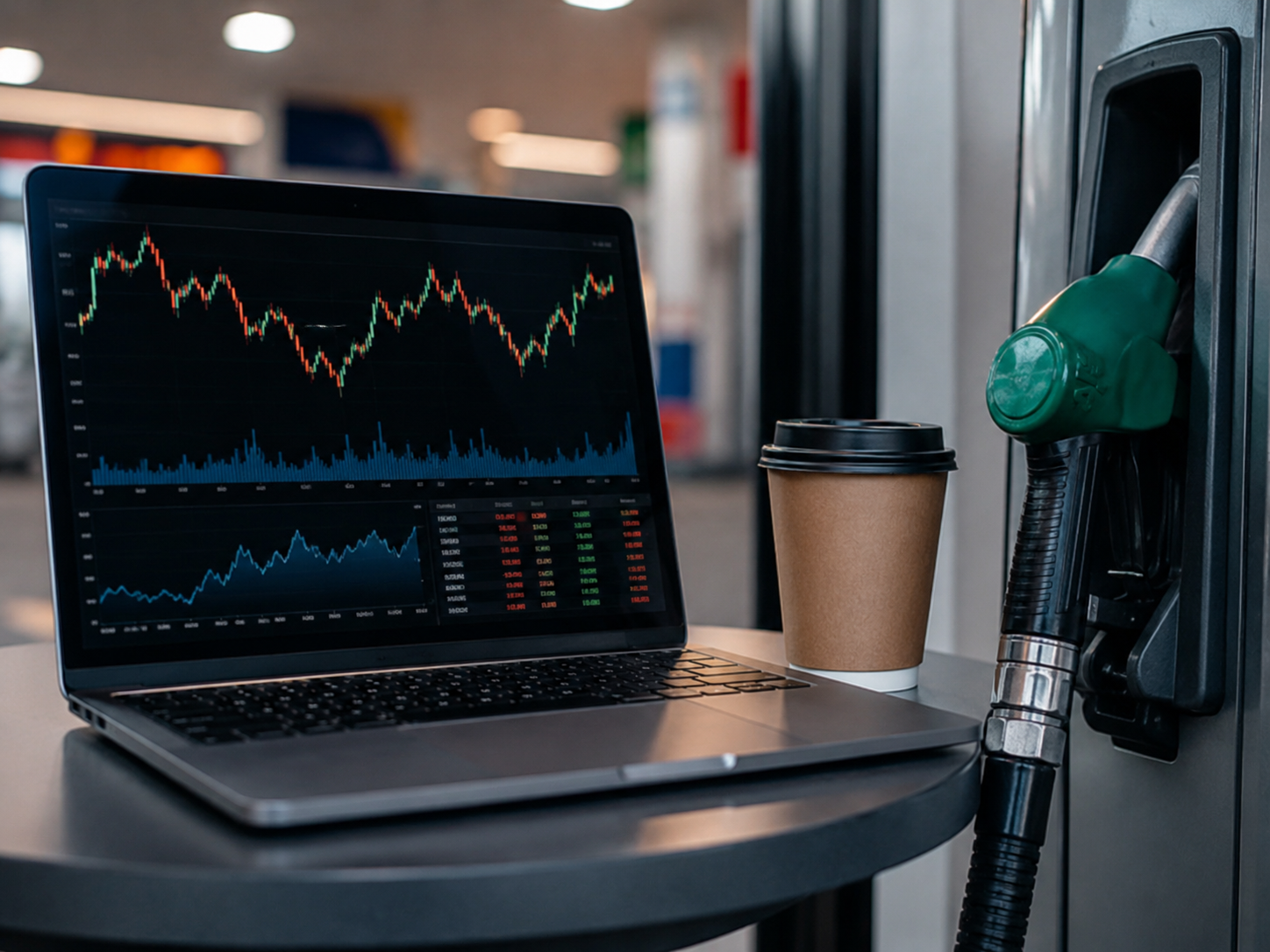
Stocks rose to fresh records Monday as strength in chipmakers helped offset investor concerns about oil prices and the risk of wider disruption tied to Iran and the Strait of Hormuz. Editorial illustration by TheDailyGlobe.
Key Facts
- The S&P 500 and Nasdaq hit fresh record highs on May 11.
- Chipmakers helped drive the market gains.
- Oil worries remained tied to Iran and Strait of Hormuz risk.
- The market move showed investors balancing technology strength against energy concerns.
- Energy-price risk can affect consumers through gasoline, shipping, and broader inflation pressure.
U.S. stocks climbed to fresh highs Monday, even as investors kept one eye on oil prices and geopolitical risk tied to Iran and the Strait of Hormuz.
The S&P 500 and Nasdaq both reached new record highs on May 11, helped by strength in chipmakers and continued confidence in technology shares. The move showed how Wall Street can sometimes push higher even when the headlines outside the market look unsettled.
The split-screen picture matters for households as well as investors. Rising stock indexes can lift retirement accounts and improve market confidence, while oil-price worries can raise concerns about gasoline, shipping, airline costs, and everyday inflation if energy prices move sharply higher.
Why Stocks Can Rise During Risky News
It can feel backward when the stock market rises during a period of global tension. But markets do not move on fear alone. They move on what investors believe the next few months may look like for earnings, interest rates, consumer demand, energy costs, and corporate growth.
On Monday, the stronger force was optimism around parts of the market that continue to attract heavy investor interest. Chip stocks were a major part of that story. Semiconductors sit at the center of several large business trends, including artificial intelligence, cloud computing, data centers, consumer electronics, and advanced manufacturing.
When chipmakers rise, they can have an outsized effect on indexes such as the Nasdaq and the S&P 500 because large technology companies make up a major share of those benchmarks. That means a strong day for a handful of influential technology names can help lift the broader market, even if other sectors are more cautious.
That does not mean investors are ignoring oil. It means they are weighing two different stories at the same time. One story is about corporate growth, technology spending, and the belief that major companies tied to chips and computing still have room to expand. The other is about the possibility that conflict involving Iran could threaten energy flows or push oil prices higher.
The Oil Risk Still Matters
The Strait of Hormuz is one of the most closely watched energy chokepoints in the world because a large amount of seaborne oil moves through the area. When tensions involving Iran rise, traders often pay closer attention to the risk of supply disruptions, shipping delays, or higher insurance and transport costs.
Oil worries do not always produce an immediate market selloff. Sometimes prices rise only modestly. Sometimes traders wait for clearer signs that supply is actually being disrupted. And sometimes the stock market decides that other forces, such as strong technology earnings or expectations for economic growth, are more important in the short term.
Still, energy risk can move from Wall Street into everyday life quickly if oil prices climb and stay elevated. Gasoline prices are the most visible example for many Americans. Higher fuel costs can also affect delivery, freight, agriculture, airlines, and businesses that rely on transportation. Those costs can eventually show up in consumer prices, though the timing and size of that effect can vary.
That is why Monday's market record should not be read as a sign that energy concerns have disappeared. It is better understood as a sign that investors, at least for now, believe technology strength and broader market momentum are strong enough to outweigh the immediate oil risk.
Why Chip Stocks Are Carrying So Much Weight
Chipmakers matter because they supply the hardware behind many of the fastest-growing areas of the economy. Artificial intelligence systems need advanced chips. Data centers need chips. Cloud companies need chips. Automakers, defense contractors, phone makers, and industrial companies also depend on semiconductors in different ways.
That gives chip companies a powerful role in the market narrative. Investors are not just buying a single product cycle. They are often buying the idea that demand for computing power will keep growing. When that belief is strong, chip stocks can pull major indexes higher.
But that same concentration can also create risk. If a small group of technology and semiconductor companies drives much of the market's gains, a pullback in those names can quickly weigh on the broader indexes. For everyday investors, that means a record high does not always mean the whole market is equally strong.
What This Means for Readers
For people with retirement accounts, Monday's market highs may be welcome news. Many 401(k)s, IRAs, and index funds are tied in some way to the S&P 500 or technology-heavy funds. When those indexes rise, account balances often benefit, at least on paper.
For consumers, the oil side of the story is the one to watch more closely. A brief period of energy concern may not change household budgets much. A sustained jump in oil and gasoline prices would be different. It could squeeze drivers, raise costs for businesses, and complicate the inflation picture.
For investors, the lesson is not that markets are ignoring risk. It is that markets often rank risks. On Monday, the strongest ranking factor appeared to be continued confidence in technology and chip stocks. Oil worries remained present, but they were not strong enough to stop the S&P 500 and Nasdaq from reaching fresh highs.
That balance can change quickly. If oil prices spike, if shipping through the region becomes more uncertain, or if technology shares lose momentum, the market mood could shift. For now, the market is sending a mixed but clear message: investors are still willing to buy growth, even while they keep watching the energy risk in the background.
Reporting note: Reporting draws on Google Finance market summaries, Yahoo Finance daily market context, and reviewed background on oil-market risks tied to Iran and the Strait of Hormuz. All claims This article was produced with AI-assisted research and reviewed by an editor before publication.