Consumer Spending Shows Households Are Still Buying Under Pressure
April spending rose even as prices stayed elevated, showing why the economy can look steady while household budgets still feel tight.
Save Article
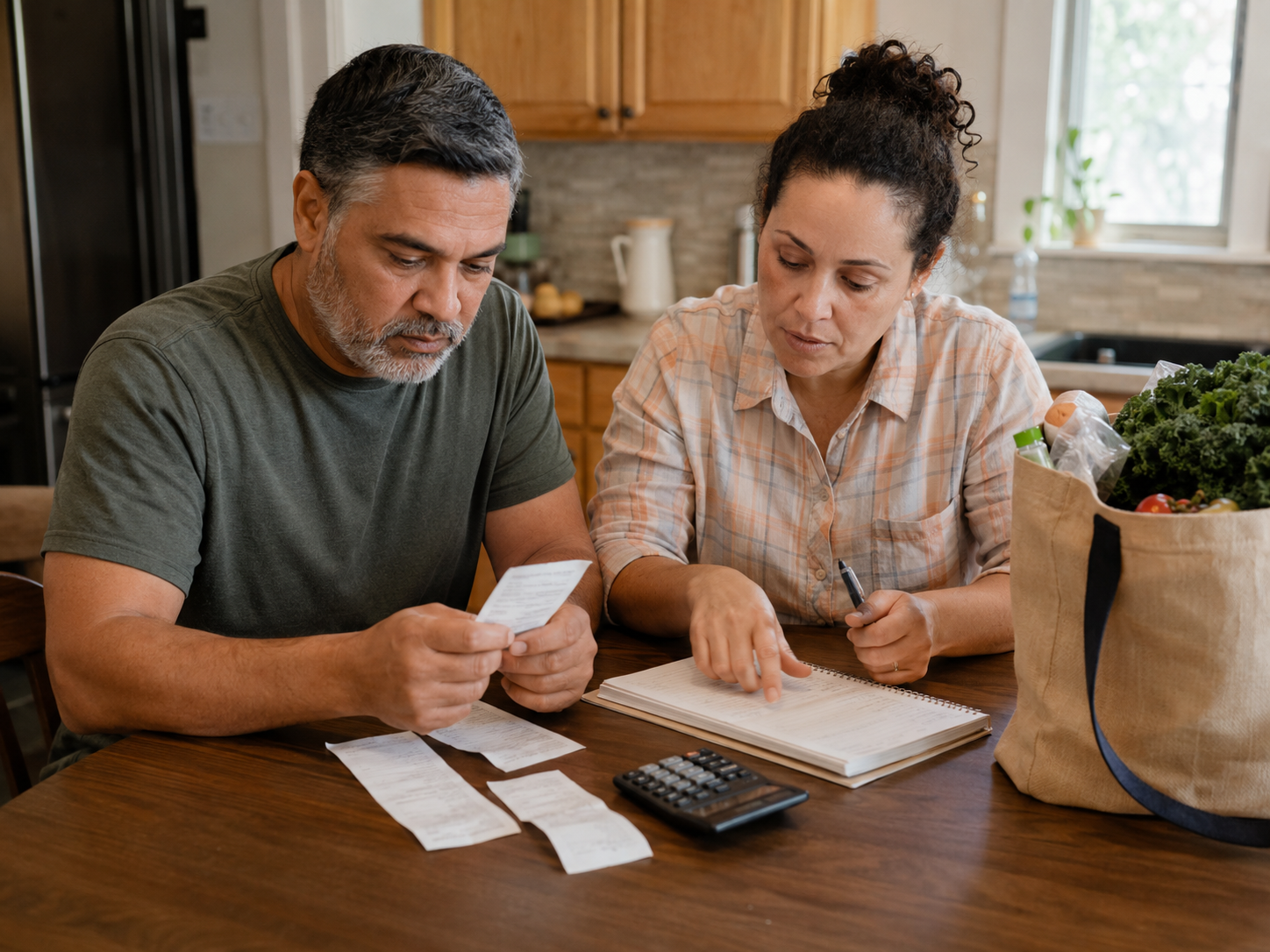
Households are still spending, but price pressure can make ordinary purchases feel more deliberate. Editorial illustration by TheDailyGlobe.
Key Facts
- The Bureau of Economic Analysis reported that consumer spending rose 0.5% in April 2026 after rising 1.0% in March.
- BEA’s PCE price index was up 3.8% from a year earlier in April 2026.
- BEA says personal consumption expenditures measure goods and services purchased by or on behalf of U.S. residents.
- The April data shows continued spending, but it does not explain every household’s tradeoffs or whether purchases were financed by debt.
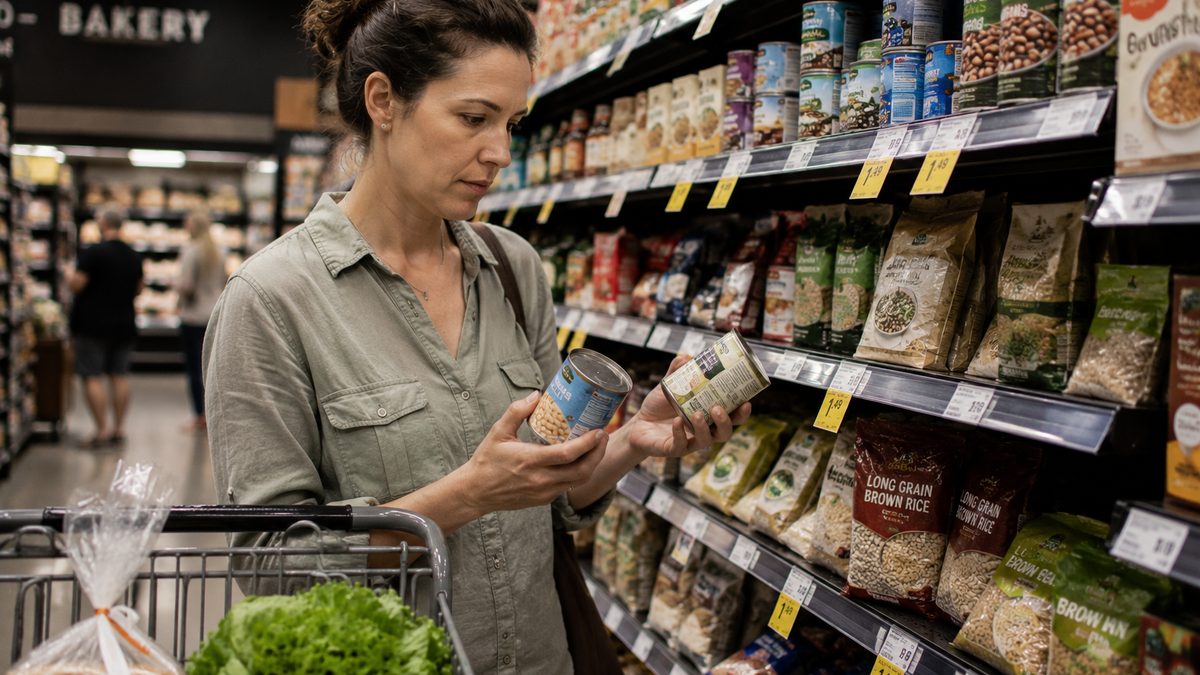
A family can still buy groceries, fill the gas tank, pay the phone bill and replace a pair of worn-out shoes while feeling worse about every swipe of the card.
That is the tension inside the latest consumer spending picture. People are still spending money, but that does not automatically mean household budgets feel comfortable. Some purchases are choices. Others are necessities. Many fall somewhere in between.
The result is an economy that can look resilient in national data while many families still feel as if they are managing one careful purchase at a time.
What the Spending Number Shows
Consumer spending is one of the clearest ways to see what households are doing with money in real time. BEA says personal consumption expenditures measure goods and services purchased by or on behalf of U.S. residents.
In April, that spending rose 0.5%, following a stronger 1.0% increase in March. On its face, that points to households continuing to buy goods and services rather than pulling back sharply.
For the wider economy, that matters because consumer spending is a major driver of activity. When people keep buying, businesses keep selling, workers keep serving customers and the economy has more support than it would if households suddenly stopped spending.
But the spending number should not be confused with a household comfort report. A higher total can reflect confidence, but it can also reflect higher prices, unavoidable purchases, delayed needs or spending that comes with more pressure behind it.
Prices Still Shape the Story
The price side of the report is just as important for readers. BEA’s PCE price index was up 3.8% from a year earlier in April 2026.
That helps explain why households can spend more without feeling better off. If groceries, services, insurance, repairs or other routine costs are higher than they were a year earlier, a family may spend more simply to maintain the same basic life.
That is the difference between spending as strength and spending as pressure. A restaurant meal, a new appliance and a higher grocery bill may all show up as consumer spending, but they do not tell the same story about how a household feels.
The data confirms that spending rose and prices remained elevated. It does not show whether a specific family felt confident, stretched, frustrated or forced into a purchase.
Why Households Can Feel Squeezed Anyway
A household budget is not built from averages. It is built from rent or mortgage payments, utilities, gas, groceries, childcare, insurance, medication, credit-card bills, school needs and whatever broke that month.
That is why national spending growth can coexist with private anxiety. One family may be doing fine. Another may be using savings. Another may be carrying more credit-card debt. Another may be cutting back on small pleasures to keep up with necessities.
Deloitte’s consumer research adds a current view of consumer pressure, but no single report can capture every household’s choices. Income, debt, family size, location, savings, job security and local prices all shape how spending feels.
That matters for how readers should interpret economic headlines. A rise in spending is real. So is the feeling that money does not go as far.
What the Data Does Not Tell Us
The April numbers do not answer several important questions. They do not show which households are cutting back most sharply. They do not fully explain whether spending growth reflects confidence, necessity, credit use or higher prices.
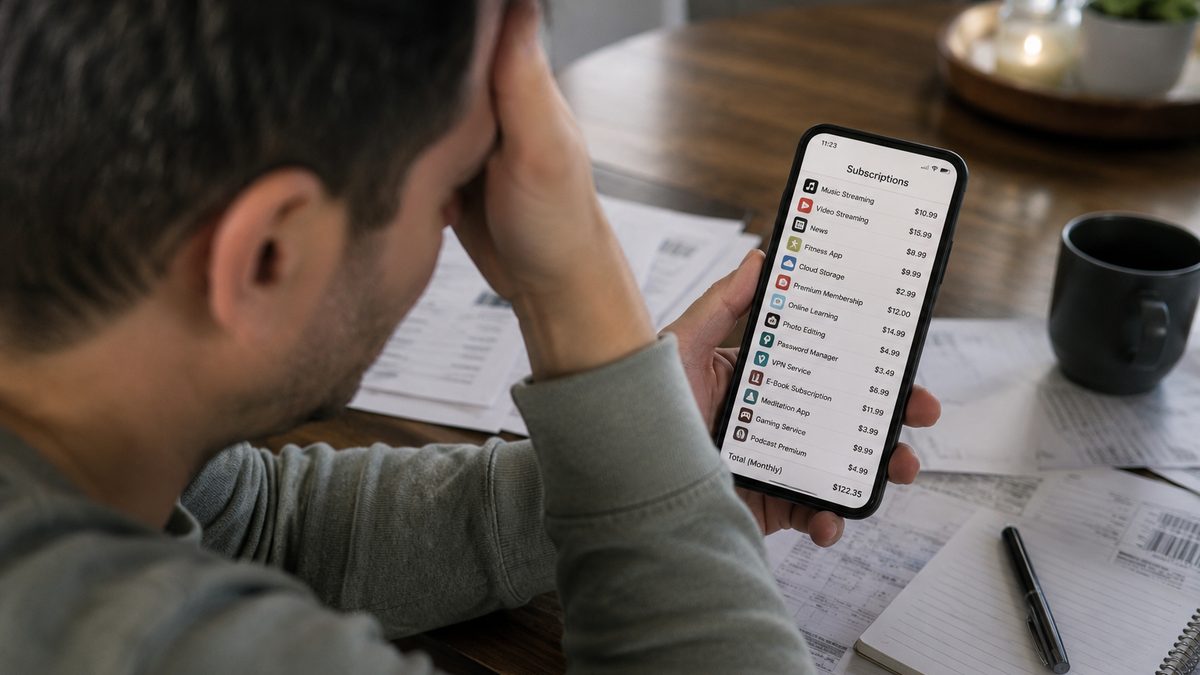
They also do not show whether families are delaying bigger purchases, trading down to cheaper brands, skipping services, drawing down savings or using credit cards to smooth over short-term pressure.
Monthly economic data can also be revised, so one report should not be treated as the final word on the consumer economy. It is a snapshot, not the whole family budget.
What Readers Should Watch Next
The next useful signals are the ones that show whether household spending remains steady without creating more strain. PCE inflation, retail sales, wage growth, savings rates and credit-card balances all help fill in the picture.
If wages keep up with prices, consumers may have more room to spend without feeling as squeezed. If prices keep rising faster than income, the same spending level can feel more painful. If credit-card balances rise, that may suggest some households are maintaining spending by borrowing more.
The practical takeaway is not that consumers are weak or strong as a group. It is that households are still buying in an economy where prices remain a daily concern.
That is why the spending data matters. It shows that money is still moving. It also leaves open the harder question many families already know well: how much pressure is behind each purchase?
Reporting note: Reporting draws on Bureau of Economic Analysis consumer spending and PCE inflation data, consumer research, and reviewed background materials. This article was produced with AI-assisted research and reviewed by an editor before publication.