Consumer Confidence Slips as Households Stay Cautious About Prices and Jobs
A May confidence reading shows households remain cautious about prices and jobs, even as parts of the economy continue to look steady on paper.
Save Article
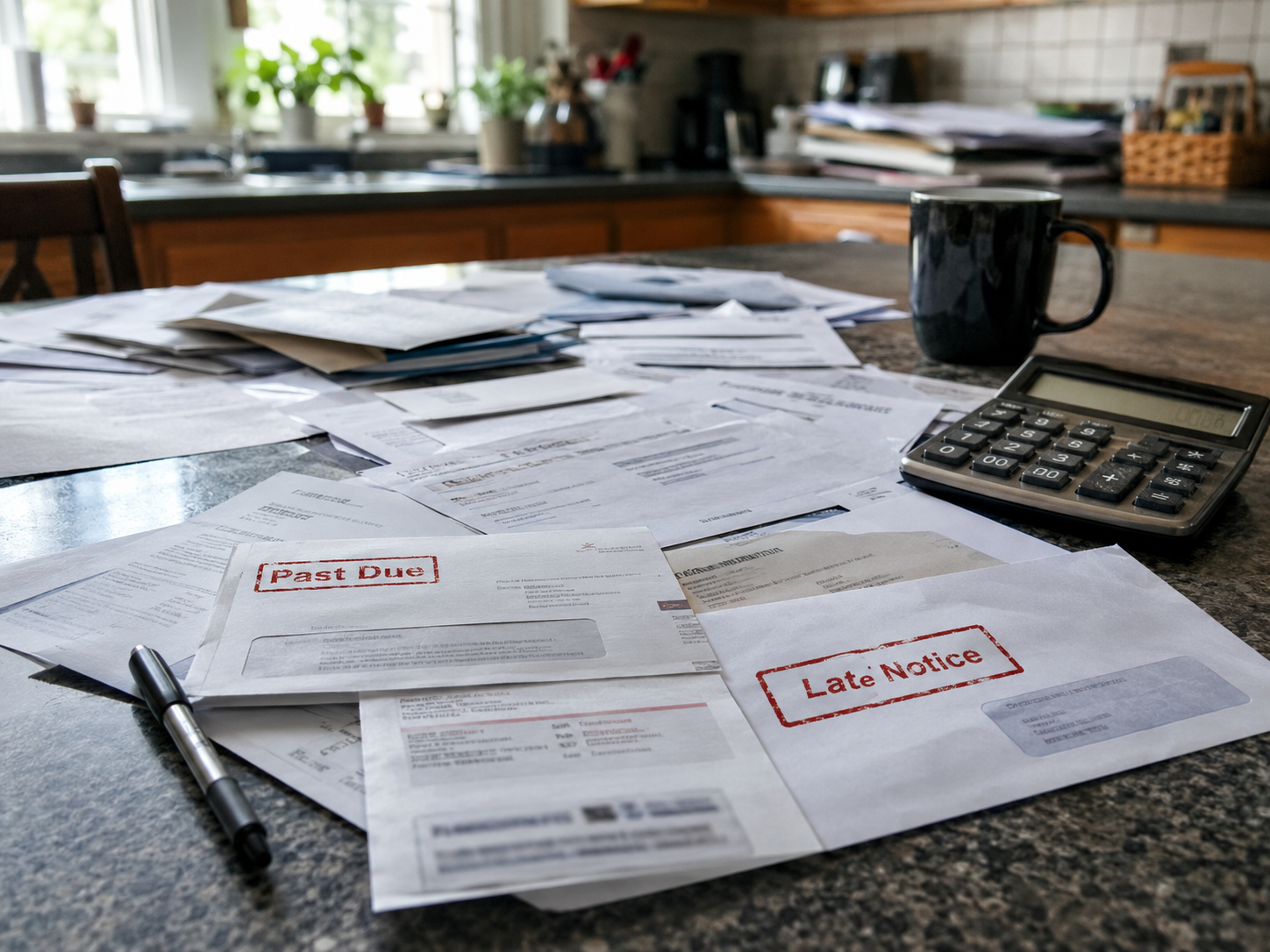
Many households remain cautious as prices, wages and job confidence shape daily spending decisions. Editorial illustration by TheDailyGlobe.
Key Facts
- The Conference Board Consumer Confidence Index dipped to 93.1 in May from an upwardly revised 93.8 in April.
- The Present Situation Index declined, while the Expectations Index edged higher.
- AP reported that many households are cutting back even as stock markets remain strong.
- Axios reported that different consumer-confidence gauges show concern to different degrees.
- Labor-market perceptions weakened slightly, though survey views are not the same as official employment data.
The economy can look stable in the headlines while families still act carefully at the checkout counter.
That tension showed up again in May consumer-confidence data. The Conference Board’s Consumer Confidence Index edged lower, suggesting households remain guarded about prices, jobs and the months ahead even as some broader economic numbers continue to look resilient.
For readers, the point is not that one survey predicts where the economy goes next. It is that household mood can help explain why people may keep cutting back, delaying purchases or watching job security more closely than headline growth numbers suggest.
What Changed in May
The Conference Board said its Consumer Confidence Index slipped to 93.1 in May, down from an upwardly revised 93.8 in April. The move was small, but it kept the index in cautious territory rather than pointing to a clear improvement in household sentiment.
The details were mixed. The Present Situation Index, which measures how consumers view current business and labor-market conditions, declined. The Expectations Index, which looks at short-term views of income, business conditions and jobs, edged higher.
That split fits the broader mood many households are showing: not panic, but caution. People may see some reasons for hope ahead while still feeling pressure from current prices and uncertainty about work.
Why Confidence Matters
Consumer confidence matters because household spending is a major part of the U.S. economy. When people feel steady about their income and job prospects, they are more likely to make purchases, travel, upgrade appliances, eat out or take on larger expenses.
When confidence weakens, households may become more defensive. That can show up as fewer discretionary purchases, more comparison shopping, smaller restaurant bills, delayed home repairs or a stronger focus on necessities.
Businesses watch these surveys because consumer caution can affect sales, inventory, hiring and pricing plans. A retailer deciding how much stock to carry or a small business deciding whether to hire may care less about an abstract economic debate than whether customers are still spending.
The Price Pressure Behind the Caution
Prices remain the most direct reason many households feel uneasy. Even when inflation cools from earlier peaks, families still live with the higher price level that built up over time. A slower rate of increase does not make groceries, insurance, rent, child care or car repairs feel cheap again.
AP reported that many households are cutting back even as stock markets remain strong. That gap is important. A rising stock market can lift retirement accounts and investor confidence, but it does not erase the pressure families feel when everyday bills take a larger bite out of paychecks.
That is one reason confidence data can feel different from market data. Stocks often reflect investor expectations, corporate earnings and interest-rate views. Consumer surveys reflect how people feel about their own budgets.
Jobs Are Still Part of the Story
Labor-market perceptions also matter. The Conference Board data showed some weakening in how consumers viewed the job market. That does not mean the official employment picture suddenly changed, but it does show that job confidence is part of the household mood.
For workers, the question is often practical: Is my job secure? Would I be able to find another one quickly? Are raises keeping up with costs? Those questions shape spending choices even before layoffs or hiring slowdowns show up clearly in government data.
This is where sentiment and reality can move at different speeds. People can feel nervous before spending data weakens, or they can keep spending even while saying they feel cautious. That is why confidence surveys are useful signals, not final verdicts.
What Remains Unclear
The biggest open question is whether cautious sentiment will turn into weaker consumer spending. Surveys can show concern, but actual spending depends on wages, savings, debt, credit conditions, job security and the prices people face.
Another uncertainty is whether confidence will keep differing by income, age, job type or household balance sheet. Some households may feel insulated by higher savings or rising investments. Others may feel squeezed by rent, food, insurance and borrowing costs.
Different confidence gauges also do not always tell the story with the same intensity. Axios reported that consumer-confidence measures show disenchantment to different degrees, which is a reminder that no single index captures every household experience.
What to Watch Next
The next signals to watch are inflation data, retail earnings, consumer-spending reports and labor-market readings. Together, those will show whether household caution is mostly a mood, a spending shift or both.
For now, the May confidence data point to an economy where many people are still watching their wallets. The broader economy may continue to grow, but the household view remains more defensive: prices still matter, jobs still matter and confidence has not fully healed.
Reporting note: Reporting draws on Conference Board consumer-confidence data, wire and business reporting, household spending surveys, and reviewed background materials. This article was produced with AI-assisted research and reviewed by an editor before publication.