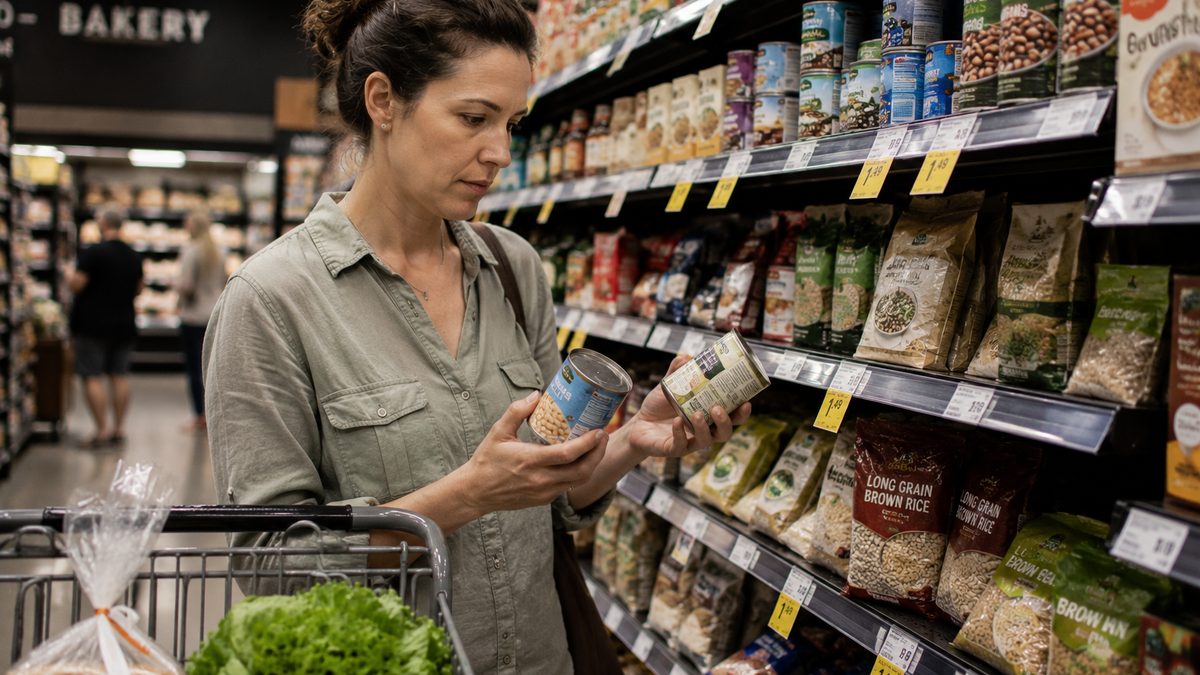
April Inflation Report Shows Why Prices Are Still Central to the Economic Story
The April CPI report showed prices rising again, with grocery costs and broader household expenses keeping inflation near the center of family budgets and economic policy debates.
Save Article
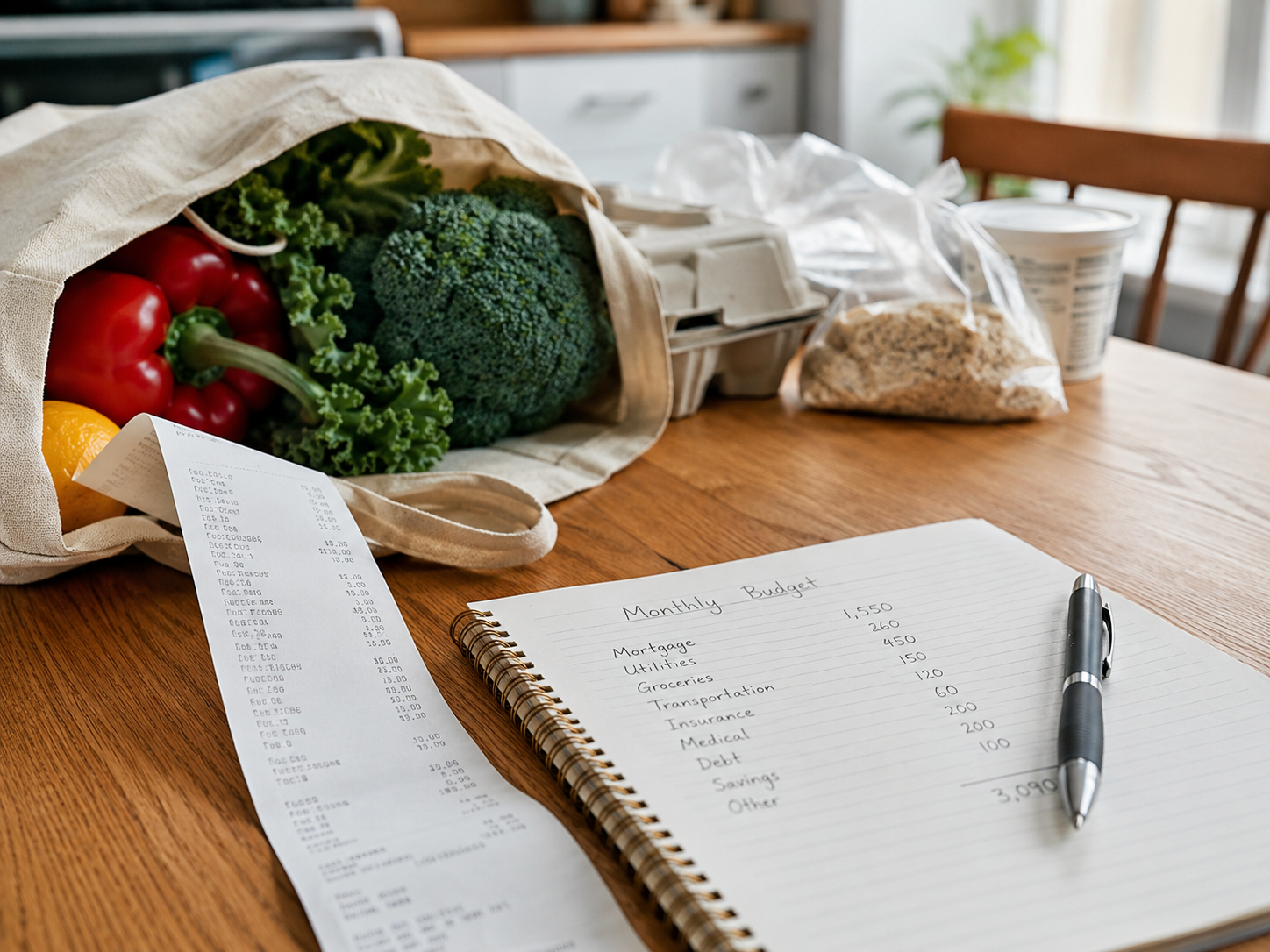
The April CPI report showed prices rising again, with grocery costs and broader household expenses keeping inflation near the center of family budgets and economic policy debates. Editorial illustration by TheDailyGlobe.
Key Facts
- BLS reported that CPI-U rose 0.6% in April 2026 on a seasonally adjusted basis.
- The index rose 3.8% over the previous 12 months before seasonal adjustment.
- The CPI release was published May 12, 2026.
- Associated Press reported that food-at-home prices were up 2.9% year over year.
- AP reported overall food costs were up 3.2%.
The April inflation report showed why prices are still one of the easiest economic stories for households to feel and one of the hardest for policymakers to move past.
The Consumer Price Index for All Urban Consumers rose 0.6% in April on a seasonally adjusted basis, the U.S. Bureau of Labor Statistics reported in its May 12 release. Over the previous 12 months, the index rose 3.8% before seasonal adjustment. Those numbers do not mean every household experienced inflation the same way, but they show that prices were still rising fast enough to keep pressure on family budgets.
For readers, the report matters because inflation is not an abstract government measure. It shows up at the grocery store, in utility bills, in gasoline costs, in rent or housing payments, and in the price of services families use every month. Even when wage growth helps some households, higher prices can make people feel as if they are running in place.
What the April CPI Report Shows
The CPI tracks price changes for a broad basket of goods and services bought by urban consumers. It is not a perfect match for any one family’s expenses, but it is one of the main ways the country measures inflation.
April’s 0.6% monthly increase showed that price pressure did not disappear. The 3.8% yearly increase showed that prices were still rising above the level many households would consider comfortable, especially after several years in which inflation changed how people think about groceries, borrowing, rent, and savings.
The important point is not just that prices rose. It is where people notice them. A family may not track CPI categories, but it knows when a grocery trip costs more, when gas takes a larger bite out of the week, or when a loan payment feels harder to fit into the budget.
Why Groceries Still Hit Hard
Food prices are one reason inflation remains so visible. Associated Press reported that grocery prices rose in April, with food-at-home prices up 2.9% from a year earlier and overall food costs up 3.2%.
Those increases matter because groceries are frequent purchases. A family might delay a vacation, a new appliance, or a home project. It cannot delay food in the same way. That makes grocery inflation feel different from price increases on goods people buy only once in a while.
Food inflation also tends to shape how people judge the economy. A household may hear that some parts of the economy are improving, but if the weekly grocery bill is still higher than expected, the improvement can feel distant. That gap between official data and lived experience is one reason inflation remains economically powerful.
Energy and Borrowing Costs Add Pressure
Energy costs can add pressure because they touch more than one part of a household budget. Gasoline affects drivers directly, while energy costs can also influence shipping, production, and the price of goods that move through supply chains. The available source basis does not break out every energy contribution, so the safest conclusion is that energy remains one of the categories readers and policymakers watch closely.
Borrowing costs are part of the same story, even though they are not measured in the same way as a grocery item on a shelf. When inflation stays elevated, the Federal Reserve has to consider whether price pressure is cooling enough. That can affect expectations for interest rates, which in turn matter for mortgages, credit cards, auto loans, business borrowing, and housing demand.
The April report does not tell readers exactly what the Fed will do next. The handoff for this story correctly flags that as uncertain. Policymakers will have to interpret inflation alongside labor data, growth data, and later price reports.
What Remains Unclear
The biggest question is whether April’s inflation pressure will persist into later months. One report can show what happened in a specific month, but it cannot prove the path for the rest of the year.
It also remains unclear how much of the pressure came from energy costs, food costs, tariffs, supply chains, services prices, or other factors. Those categories can overlap. Higher fuel costs can affect food distribution. Supply issues can affect grocery prices. Services inflation can stay firm even when some goods prices cool.
That uncertainty is why readers should be careful with simple explanations. Inflation rarely has only one cause, and households feel it differently depending on where they live, how they commute, whether they rent or own, what they eat, and how much debt they carry.
Why Readers Should Care
The April CPI report matters because it helps explain why many people still feel squeezed even when some economic indicators look steady. A 3.8% yearly increase means prices were still moving higher overall. A 0.6% monthly increase means April itself added pressure.
For households, the practical question is not whether inflation is better or worse than one headline suggests. It is whether paychecks are keeping up with the prices people actually face. Groceries, energy, housing, insurance, medical costs, and debt payments all shape that answer.
For policymakers, the report keeps inflation near the center of the economic story. If price growth remains firm, the Fed may be more cautious. If later reports cool, the policy discussion could change. April’s report does not settle that question. It shows why the question is still open.
For readers trying to make sense of the economy, that may be the most useful takeaway. Inflation is not only about one report or one category. It is about how repeated price increases change the way families shop, save, borrow, and decide what can wait.
Reporting note: Reporting draws on U.S. Bureau of Labor Statistics inflation data, Associated Press food-price reporting, official economic data, and reviewed background materials. This article was produced with AI-assisted research and reviewed by an editor before publication.