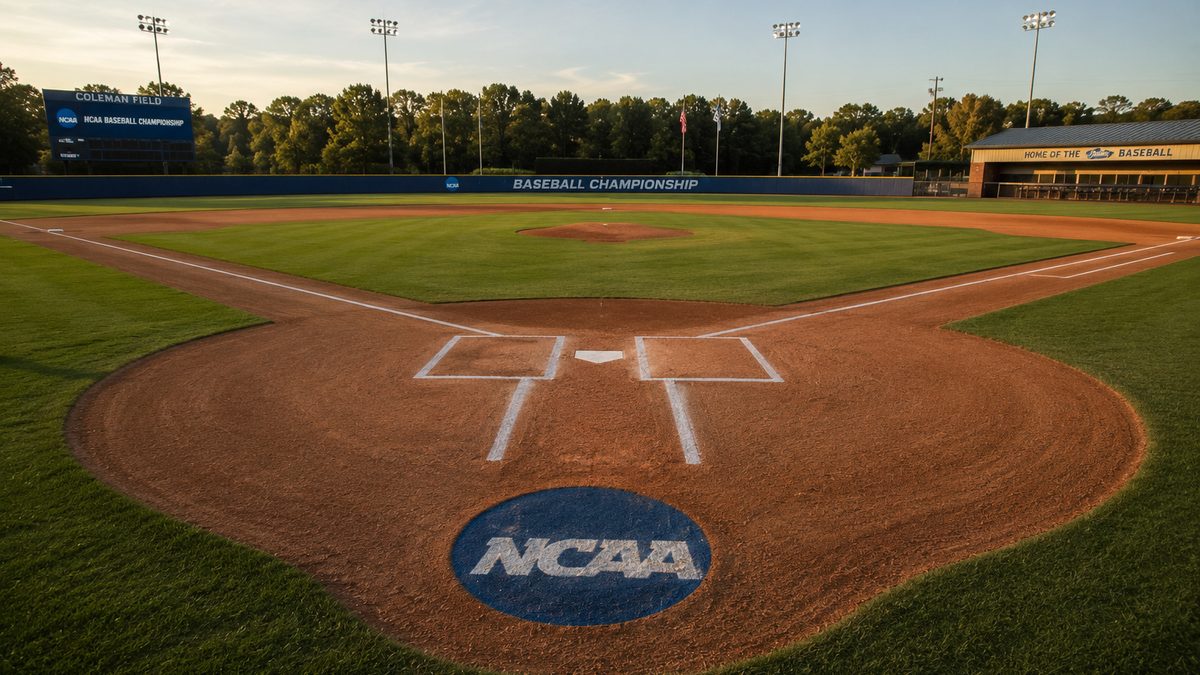
Women's College World Series Opens With a Field That Already Feels Different
The 2026 Women's College World Series opened without Oklahoma in the field, giving the championship race a different shape from the start.
Save Article
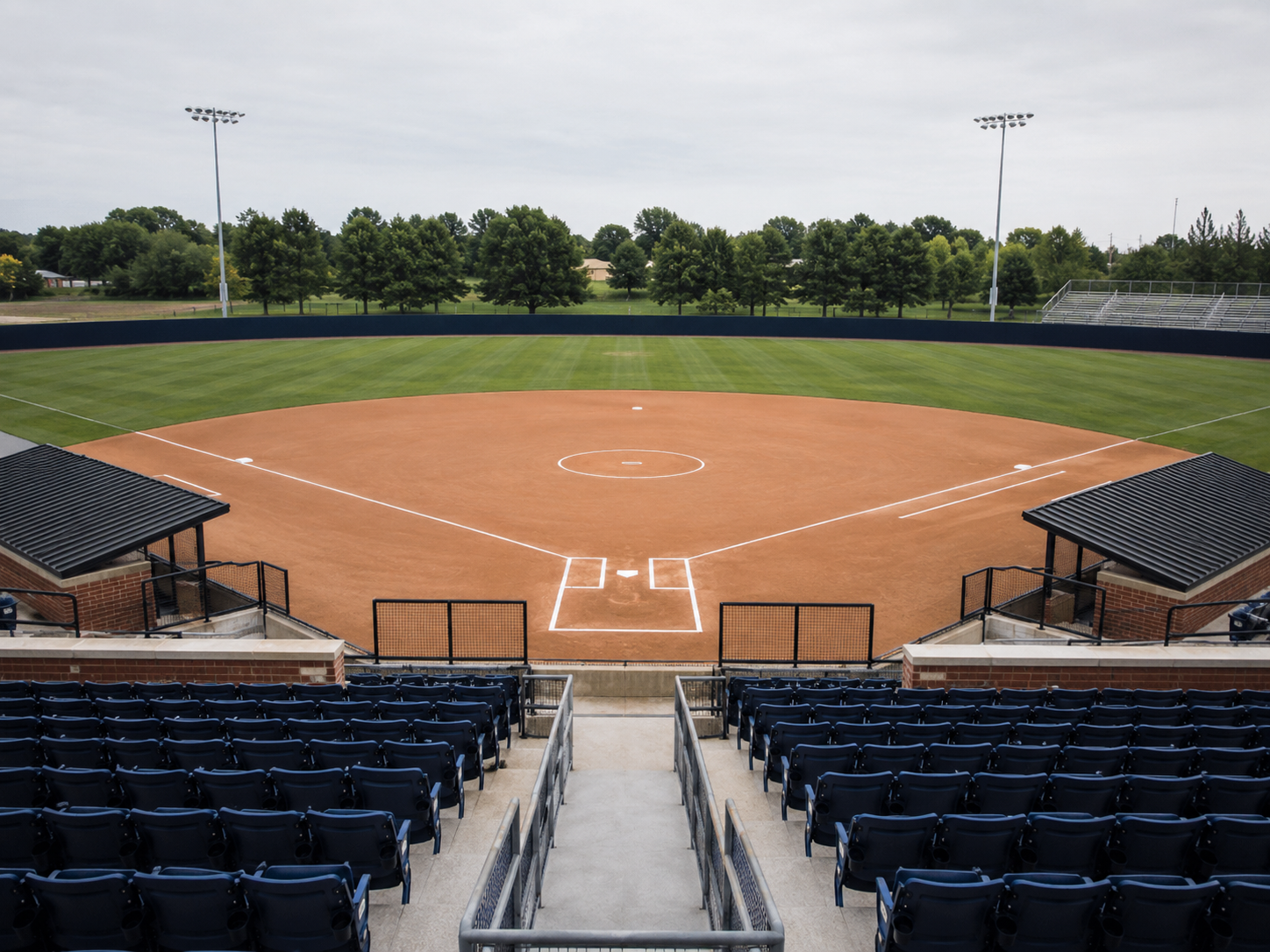
A championship tournament can feel wide open when the sport's recent dynasty is no longer in the bracket. Editorial illustration by TheDailyGlobe.
A championship tournament feels different when the team that has defined it is not there.
The 2026 Women's College World Series opened May 28 with a field that does not include Oklahoma, the program that won four straight national titles from 2021 to 2024. Mississippi State helped create that shift by eliminating the Sooners in a super regional upset, then opened WCWS play against Texas Tech.
Why This Field Feels More Open
Oklahoma's absence does not guarantee a brand-new power structure in college softball. It does, however, change the frame of this tournament. Teams that spent recent years chasing the Sooners now enter Oklahoma City without the sport's most recent dynasty sitting in the bracket.
For casual fans, that makes the WCWS easier to enter. The story is not only about who can beat the favorite. It is about which team can take advantage of a field that already looks less familiar than it has in recent seasons.
What Changed On Opening Day
NCAA.com lists the Women's College World Series bracket, schedule and scores, while ESPN carried live coverage of Mississippi State against Texas Tech. Those opening games begin the process of separating early contenders from teams that will have to survive the elimination side of the bracket.
The key point is not that one opening game decides the title race. It is that the tournament began with real uncertainty. Without Oklahoma in the field, the path to the championship looks less like a challenge to one dominant program and more like a race among teams trying to claim the moment.
What To Watch Next
The next test is whether one team quickly separates from the field or whether the bracket stays tense through the early rounds. Opening-round results will decide who gets breathing room and who has to play under elimination pressure almost immediately.
What remains unclear is whether Oklahoma's absence signals a broader shift in the sport or simply a one-year tournament break. For now, the confirmed change is enough to reshape the opening question: with the recent dynasty out, who is ready to take the championship stage?
Reporting note: Reporting draws on NCAA tournament materials, scoreboard data, established sports reporting, and reviewed college softball context. This article was produced with AI-assisted research and reviewed by an editor before publication.