NCAA Baseball Field Sets the Road to Omaha With UCLA as Top Seed
The 64-team NCAA baseball bracket is set, giving teams and fans the first clear map of the postseason path toward Omaha.
Save Article
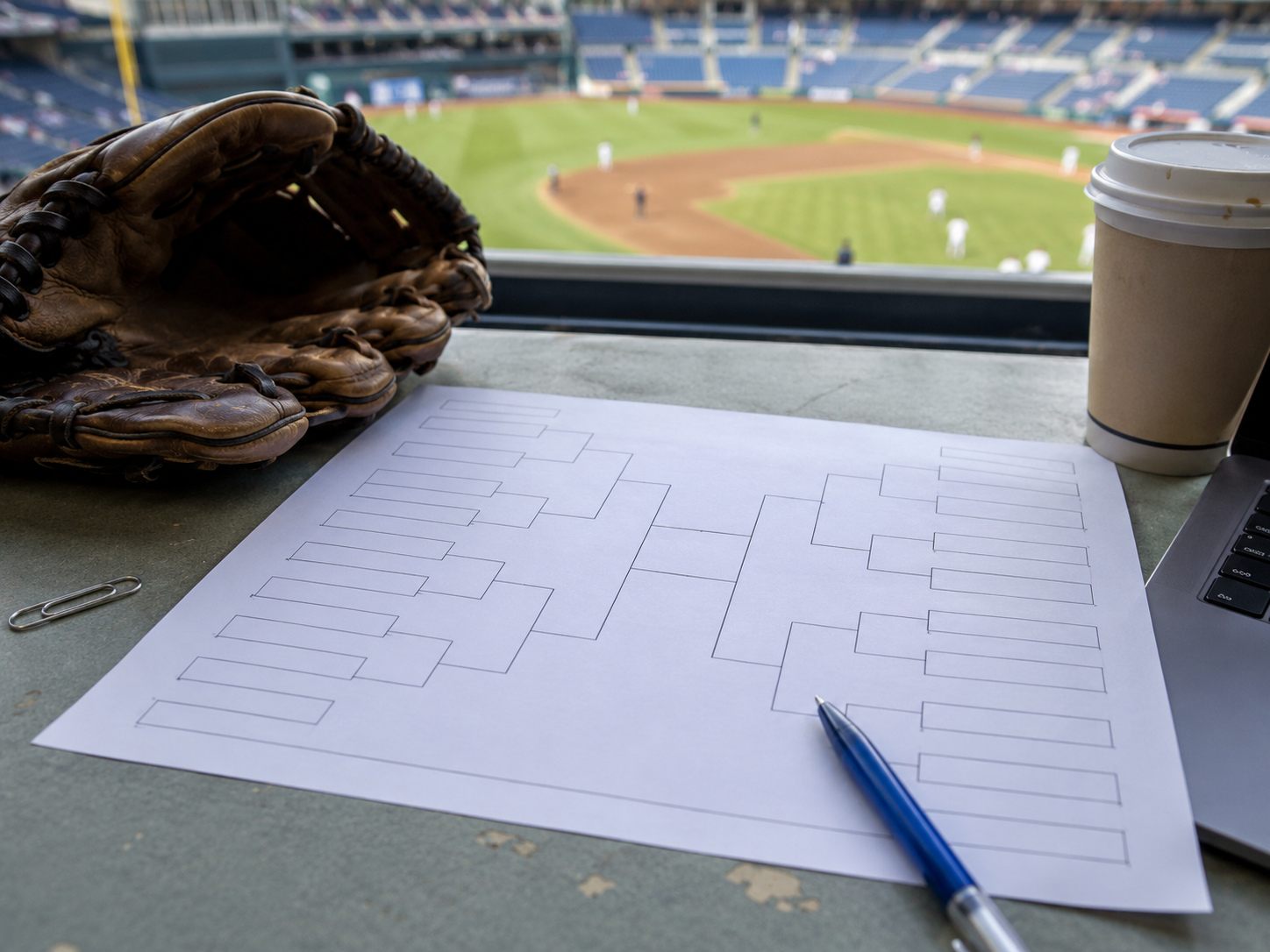
The NCAA baseball bracket sets the path toward Omaha. Editorial illustration by TheDailyGlobe.
Key Facts
- The NCAA Division I Baseball Championship Subcommittee announced the 64-team field on May 25, 2026.
- UCLA was named the No. 1 overall seed.
- The championship bracket sets the postseason path toward Omaha.
- ESPN’s college baseball rankings provide additional national context for the field.
The NCAA Division I baseball postseason field is set, giving college baseball its national map toward Omaha.
The NCAA Division I Baseball Championship Subcommittee announced the 64-team field on May 25, with UCLA named the No. 1 overall seed. The bracket now gives teams, fans, and host sites a clear view of the first stage of the championship chase.
For readers, the bracket matters because it turns a long regular season into a structured national tournament. Teams no longer control only their conference race or weekend series. They now have a defined postseason path, beginning with regional play and pointing toward the College World Series in Omaha.
What the Bracket Changes
Before the bracket is released, college baseball is still partly a resume argument. Teams are judged by records, conference results, strength of schedule, late-season form, and how they compare to other programs across the country.
Once the field is announced, the conversation changes. The question is no longer only who earned a place. It becomes where each team is going, who stands in its way, and how the first weekend of the tournament could shape the road to Omaha.
That is why Selection Monday matters beyond the top seed. The full 64-team field gives every included program a route, even if some roads look much harder than others.
Why UCLA’s Top Seed Matters
UCLA being named the No. 1 overall seed gives the bracket a clear starting point. The top overall seed is not a guarantee of a trip to Omaha, but it does reflect the committee’s view of the strongest team at the time the field was set.
That status comes with attention and pressure. Top seeds are expected to advance, but college baseball’s postseason format leaves little room for comfort. A bad inning, a pitching decision, or one strong opponent can change a regional quickly.
The safer way to read the seeding is this: UCLA enters the tournament with the strongest bracket position, but the games still have to confirm what the seed suggests.
How Regionals Shape the First Weekend
The bracket is useful because it organizes the tournament into smaller opening tests. Regionals give teams their first postseason assignments and show which programs will have to travel, which will host, and which matchups could become early trouble spots.
For fans, this is the point where the tournament becomes easier to follow. Instead of scanning the whole national field at once, readers can focus on regional groups, opening opponents, and the teams with the clearest path to the next round.
The first weekend can also reveal which regular-season strengths carry over. Deep pitching staffs, clean defense, power lineups, and late-game bullpen options often become more visible when teams are playing under elimination pressure.
What Readers Should Watch First
The first thing to watch is how the top seeds handle the opening weekend. A strong seed can create a favorable path, but it does not remove the pressure of short postseason series and quick turnarounds.
The second thing to watch is pitching. Regional game results and pitching matchups will need updates once play begins, and team rotation decisions can shape the entire weekend. A program with enough pitching depth may be better built for the tournament grind than a team relying too heavily on one or two arms.
The third thing to watch is whether lower-seeded teams turn the first weekend into a bracket shakeup. The NCAA baseball tournament has enough volatility that the field should be treated as a map, not a prediction.
What Remains Unclear
The bracket announcement confirms the field and the seed line, but it does not settle the tournament. Regional results, pitching matchups, injuries, and rotation decisions still need to be confirmed through schools, NCAA coverage, or other official reporting as play begins.
That means the first version of the story is about structure, not projection. The NCAA has set the 64-team field, UCLA has the No. 1 overall seed, and the route to Omaha is now visible.
What happens next depends on the games themselves. The bracket gives college baseball its postseason shape. The regionals will begin showing which teams are built to keep moving.
Reporting note: Reporting draws on NCAA championship bracket materials, national college baseball rankings context, and reviewed college postseason background. This article was produced with AI-assisted research and reviewed by an editor before publication.