Why the MLB Wild Card Race Already Feels More Important Than the Calendar Suggests
The baseball season is still young by MLB standards, but crowded Wild Card standings are giving ordinary June games added meaning.
Save Article
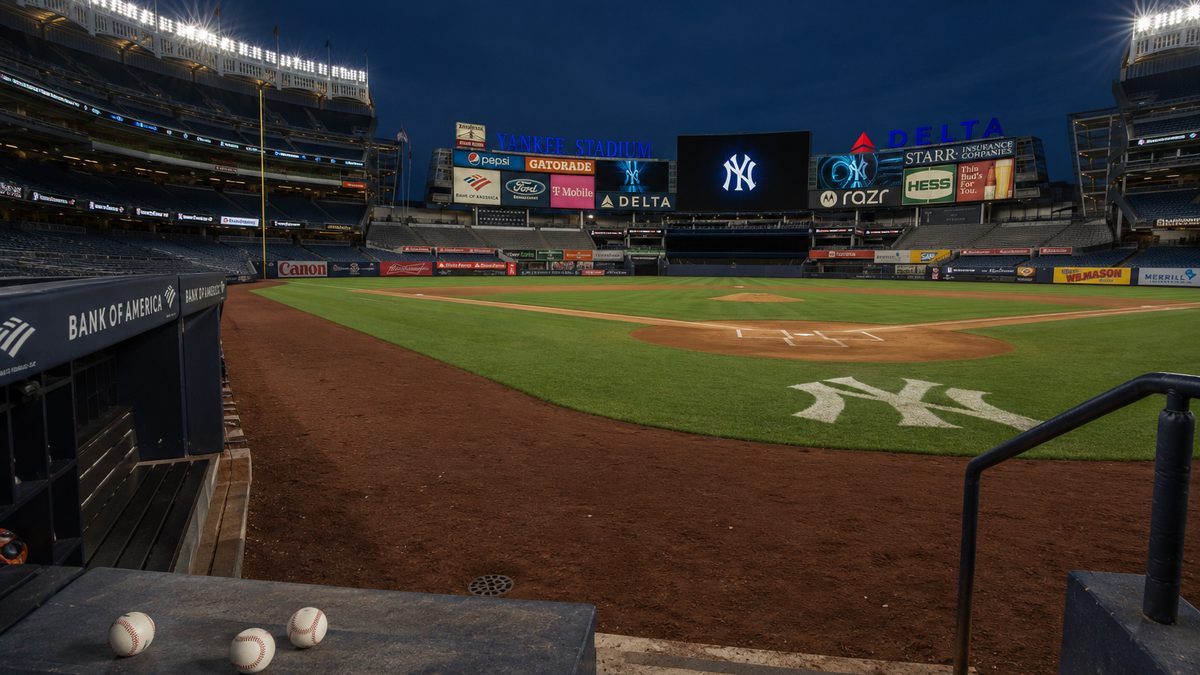
Summer baseball can start to feel different when the standings tighten. Editorial illustration by TheDailyGlobe.
Key Facts
- MLB.com lists current 2026 league and division standings.
- MLB.com's June 12 scoreboard includes a full slate of regular-season games.
- Several teams remain closely grouped around Wild Card positioning.
- Wild Card standings can change quickly when teams are separated by only a small margin.
- The standings reviewed reflect official league data as of June 12.
Baseball's 162-game season has a way of making June feel early. With months of games still ahead, it is easy for fans to assume the standings will eventually sort themselves out and that the real drama belongs to September.
But some seasons begin showing their shape sooner than expected. As of June 12, MLB's Wild Card standings feature multiple teams packed closely together, creating a situation where a strong week can move a club up several spots and a rough stretch can quickly push it backward.
That does not mean June determines who reaches the postseason. It does mean the standings are crowded enough that everyday games are beginning to carry more weight than the calendar alone might suggest.
Why June Can Start to Matter
No team wins a playoff spot in June. At the same time, teams can put themselves in a much stronger position before the summer reaches its busiest stretch.
When the standings are tightly packed, every series creates opportunities to gain ground directly against competitors. A club that wins two out of three games can improve its own record while simultaneously slowing another team's progress.
That is one reason fans often begin paying closer attention once the standings start clustering. The season remains long, but the margin for drifting through weeks of inconsistent baseball becomes smaller.
A Crowded Race Changes the Conversation
A wide standings gap usually creates clear categories. Some teams look comfortably positioned, others appear out of contention, and only a handful sit in the middle.
A crowded Wild Card picture creates a different environment. Instead of focusing on one or two clubs, fans find themselves tracking multiple teams because movement can happen quickly. A winning streak that might have seemed routine in April can have a noticeable effect when several teams are competing for similar positions.
The result is a more interesting daily scoreboard. Fans are no longer watching only their own team's result. They are often paying attention to what happened elsewhere around the league.
What the Standings Do Not Tell Us Yet
The standings provide a snapshot, not a prediction. They show where teams are today but do not answer which clubs will still be in the race by late August or September.
Injuries, roster changes, pitching depth, travel schedules, and simple hot or cold stretches can all reshape the picture. Teams that look strong in mid-June can struggle later, while clubs hovering near the Wild Card line can surge during the summer.
That uncertainty is part of what makes the standings worth following. The current positioning matters, but it remains only one chapter of a much longer season.
The Next Few Weeks Could Reveal More
Baseball's schedule tends to create separation over time. As teams continue playing division rivals and other postseason hopefuls, some clubs will likely begin pulling away while others fall behind.
The question entering the second half of June is not who will make the playoffs. The official standings do not answer that. Instead, the question is which teams can turn a crowded race into a clear advantage before the season reaches its midpoint.
What Fans Should Watch Next
Fans watching the Wild Card race should pay attention to series involving teams clustered near the same part of the standings. Those matchups often produce the quickest swings because one contender gains ground while another loses it.
The standings will continue to change almost daily, and no position in mid-June guarantees anything in October. What the current picture does show is that several teams remain within striking distance of one another, making ordinary summer baseball feel a little more meaningful than it did just a few weeks ago.
Reporting note: Reporting draws on official MLB standings, league scoreboards, game schedules, and reviewed background materials. This article was produced with AI-assisted research and reviewed by an editor before publication.