French Open Upset Opens The Door For A First-Time Champion
Diana Shnaider’s quarterfinal win over Aryna Sabalenka reshaped the French Open draw and added to a tournament already moving toward new Grand Slam champions.
Save Article
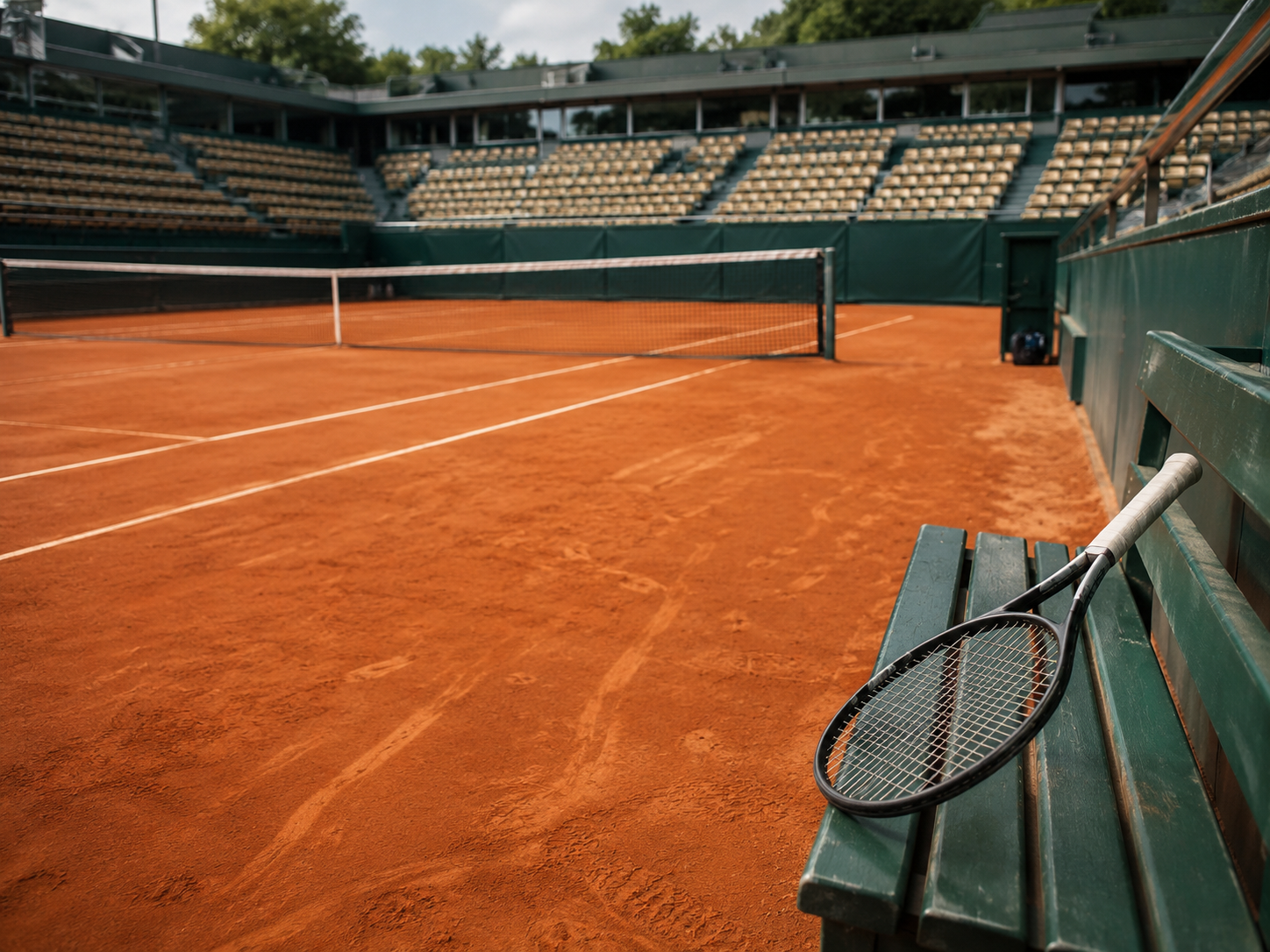
A major upset can make a Grand Slam bracket feel wide open almost overnight. Editorial illustration by TheDailyGlobe.
Key Facts
- Diana Shnaider defeated Aryna Sabalenka in the French Open quarterfinals.
- Reports listed the score as 3-6, 7-5, 6-0.
- Sabalenka entered the match as the top-ranked player.
- CBS Sports reported that first-time Grand Slam champions are coming on both the men’s and women’s sides.
- Roland-Garros is the official source for the tournament draw, schedule and live scoring.
The French Open suddenly looks wide open.
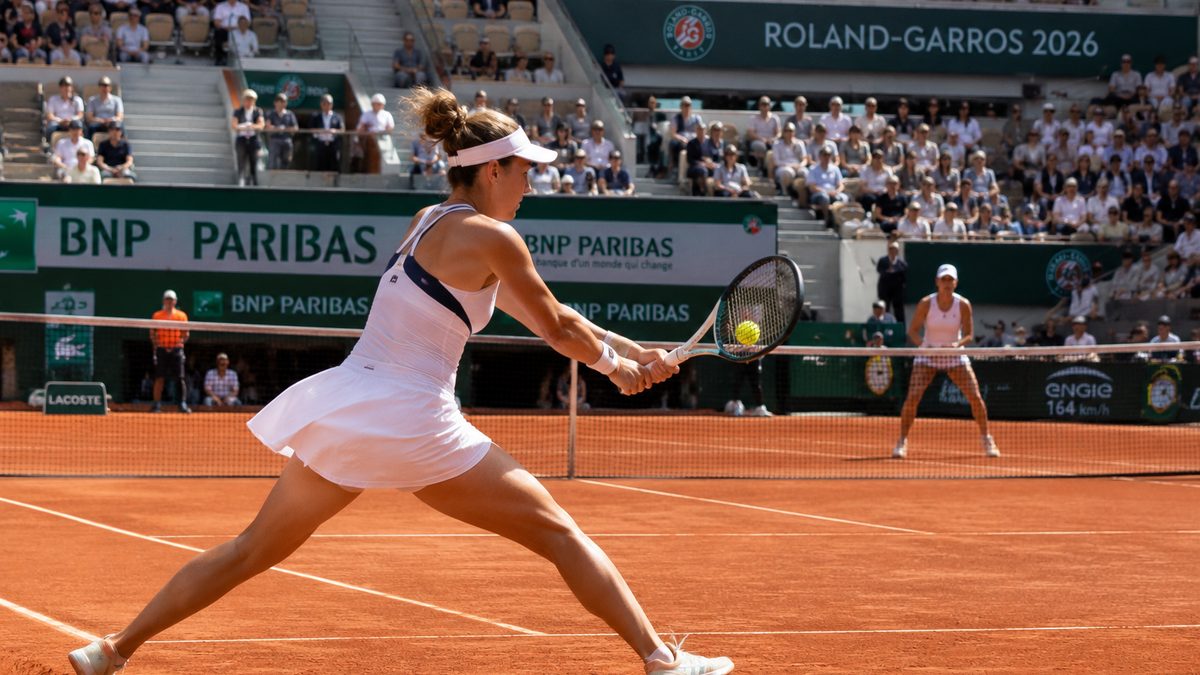
Diana Shnaider came back to beat top-ranked Aryna Sabalenka in the quarterfinals, a result that did more than remove the No. 1 seed from the women’s draw. It changed the shape of the tournament and added to a Roland-Garros finish already pointed toward first-time Grand Slam champions.
Reports listed Shnaider’s win at 3-6, 7-5, 6-0. For casual tennis fans, the score tells the story in miniature: Sabalenka started ahead, Shnaider forced the match into a deciding set, and the final set turned sharply in Shnaider’s favor.
What The Upset Changed
In a Grand Slam, an upset of the top seed changes the way the bracket feels. It removes the player many viewers expect to see deep into the second week, and it gives the remaining players a different kind of opening. That does not make anyone’s path easy, but it does make the tournament feel less settled.
Shnaider’s win is the kind of result that can reset expectations almost immediately. Before the match, Sabalenka’s place near the top of the tournament conversation was obvious. After the match, the question became whether Shnaider can turn one major win into a deeper run.
That is the difference between a great upset and a tournament-changing one. A single match can make headlines. A player who backs it up in the semifinal can start to define the tournament.
Why First-Time Champions Matter Here
CBS Sports reported that first-time Grand Slam champions are coming on both sides of the singles bracket. That gives this French Open a fresh feel, especially for fans who may not follow every tournament week to week but understand what a first major title means.
A first Grand Slam title is one of the clearest storylines in tennis. It can change how a player is discussed, how future draws are viewed and how fans remember a tournament. At Roland-Garros, where clay tests patience, movement and shot tolerance, winning a first major often feels less like a sudden burst and more like surviving a long examination.
That is why the Sabalenka loss matters beyond one name leaving the draw. It helps push the tournament toward a finish where the winner will not just collect another major. The winner will cross a career line for the first time.
Keep The Emotion In Context
Sabalenka’s post-match reaction drew attention, but the cleaner sports story is the result and what it changes. Emotional comments after a Grand Slam loss should be handled carefully. Tennis players are often speaking minutes after a physically and mentally draining match, and a quote can travel faster than the full context.
The confirmed result is enough on its own. Shnaider beat the No. 1 seed, did it after dropping the first set, and finished with a dominant third set. That is the part that belongs at the center of the story.
What To Watch Next
The next question is whether Shnaider can carry the momentum into the semifinal. Upsets can take a player forward, but they can also leave a player trying to recover from the effort of producing the biggest result of the tournament so far.
The official Roland-Garros draw and schedule will show the next step. The bigger drama is whether the tournament keeps moving toward a surprise champion or whether one of the remaining players separates from the field before the final.
For now, the French Open has what every major tournament wants in its closing stretch: a major upset, a bracket with room to breathe and a title race that no longer feels already written.
Reporting note: Reporting draws on tournament materials, wire reporting, established sports coverage, official draw and schedule resources, and reviewed background materials. This article was produced with AI-assisted research and reviewed by an editor before publication.