French Open Heat Is Changing How Players and Organizers Manage the Tournament
Heat in Paris is affecting clay-court maintenance, player conditions and the rhythm of one of tennis's biggest outdoor tournaments.
Save Article
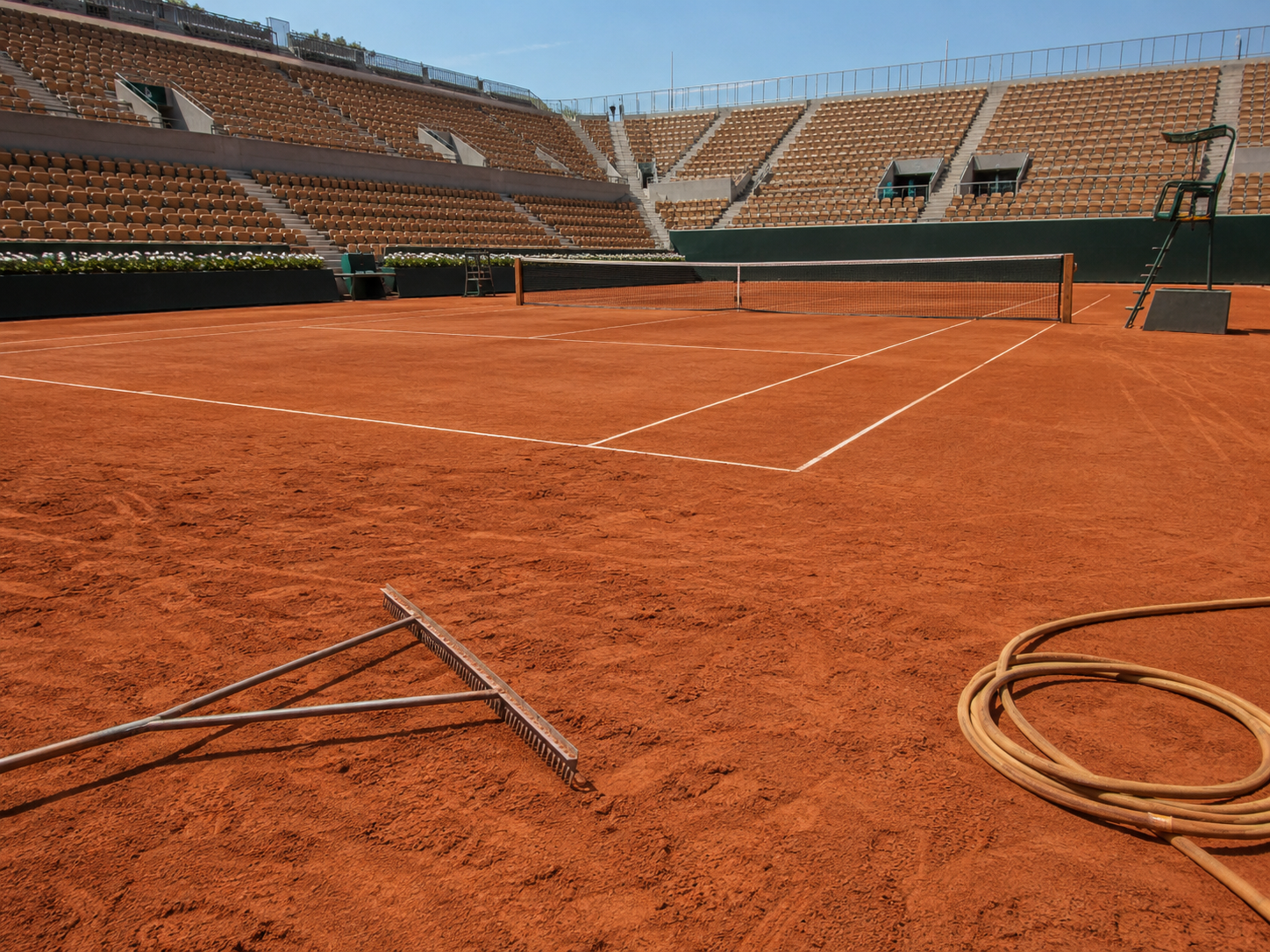
Heat at the French Open is changing how players and organizers manage the tournament. Editorial illustration by TheDailyGlobe.
Key Facts
- Paris experienced intense heat during the French Open.
- Associated Press reported that groundskeepers used water and calcium chloride to manage the clay courts during the heat wave.
- The Guardian reported that Jakub Mensik criticized the heat after collapsing with cramps at the end of a five-set win.
- Roland-Garros remained in progress, with official results and schedules posted by the tournament.
- It remains unclear whether heat will affect later rounds, scheduling decisions or tournament procedures.
At a major tennis tournament, heat changes more than the comfort of spectators. It can affect the court, the players and the rhythm of the event itself.
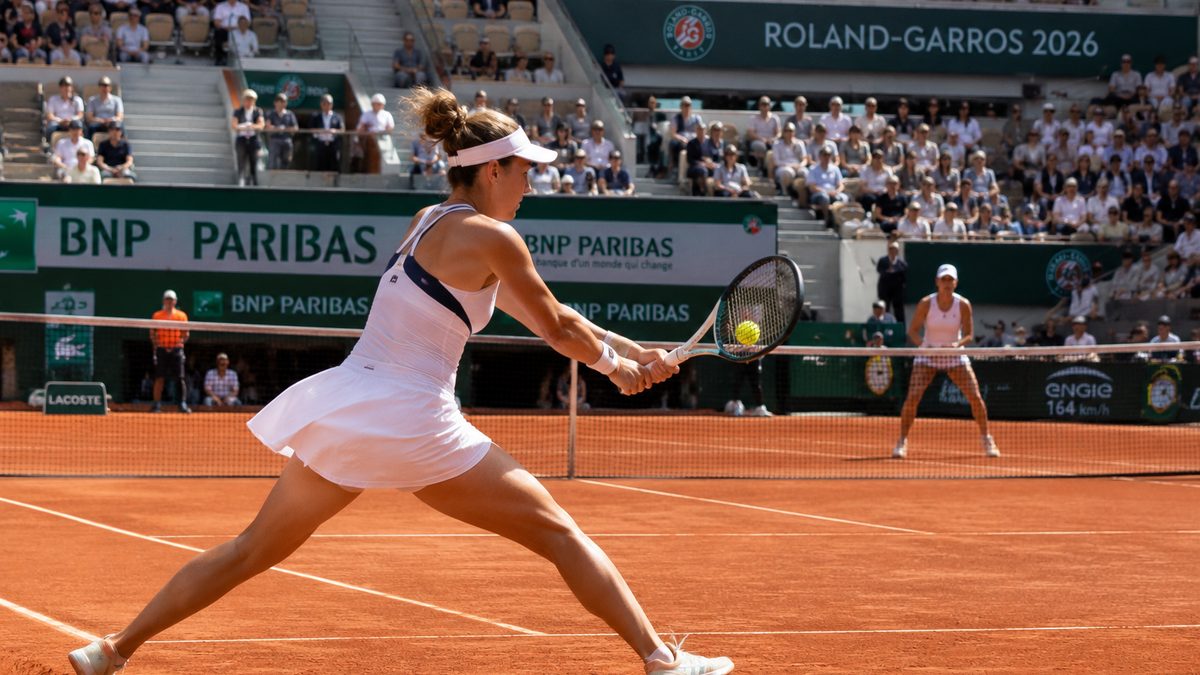
The French Open is dealing with intense heat in Paris, forcing tournament staff to pay close attention to the clay courts while players manage the physical strain of long matches in difficult conditions.
That matters because clay is not just a backdrop at Roland-Garros. The surface shapes the speed of the ball, the length of rallies, how players move and how fairly matches unfold across a long tournament day.
Why Clay Needs Extra Care
Clay courts are living surfaces during a tournament. They need water, rolling, sweeping and constant attention to keep them playable. When heat dries the surface too quickly, the court can change in ways players feel immediately.
AP reported that French Open groundskeepers used added water and calcium chloride to manage the courts during the heat wave. In simple terms, the work is about keeping the clay from drying out too fast and preserving a surface that plays consistently enough for elite competition.
For fans, that may sound like behind-the-scenes maintenance. For players, it is part of the match. A court that plays faster, grips differently or becomes harder to slide on can change shot selection, footwork and recovery between points.
The Player Side of the Heat
Heat also turns long matches into a physical test beyond normal tennis endurance. The Guardian reported that Jakub Mensik criticized the conditions after collapsing with cramps at the end of a five-set win.
One player's experience should not be treated as proof of how every player is affected. Tennis players vary in conditioning, match length, style, recovery and medical history. But the episode shows why heat is not just a comfort issue at a Grand Slam.
When temperatures climb, players have to manage hydration, breathing, movement, recovery and decision-making. A five-set match on clay already asks a lot. Heat can make every rally and every changeover matter more.
Tournament Operations Become Part of the Story
A major tournament has to balance several pressures at once. Matches need to be completed, courts need to stay fair, players need safe conditions, broadcasters need schedules and fans need a reasonable event experience.
That is why heat becomes an operations story. It affects court crews, medical staff, tournament officials and players at the same time. It can also create pressure around match timing if conditions worsen or if long matches stack up across the schedule.
Roland-Garros continued posting official results and schedules as the tournament moved forward. What remains unclear is whether the heat will force later-round adjustments or whether current procedures will be enough if conditions persist.
What Remains Unclear
The full effect of heat on performance is difficult to isolate. A player can struggle because of temperature, matchup, fatigue, injury, tactics or some combination of all of them.
It is also unclear whether the tournament will make any policy changes tied to heat, player safety or court maintenance. Any formal change would need to come through official tournament communication rather than assumptions from match conditions alone.
The safest conclusion is narrower but still important: heat is now part of how this French Open is being played and managed.
What To Watch Next
The next things to watch are player comments, any match delays, official scheduling decisions and how court conditions hold up as the tournament continues.
Fans should also watch whether the heat changes match rhythm. Shorter points, more visible fatigue, longer recovery moments or more court maintenance can all shape how a day at Roland-Garros feels.
The French Open is still a tennis tournament first. But during a heat wave, the sport is not played only between the lines. It is also managed in the space between weather, clay, player safety and the demands of keeping a Grand Slam moving.
Reporting note: Reporting draws on Associated Press coverage, Guardian reporting, Roland-Garros tournament materials, official results and reviewed tennis context. This article was produced with AI-assisted research and reviewed by an editor before publication.