Bay Area’s Sports Calendar Shows What Major Events Ask of Host Cities
A 16-month run of major events puts the Bay Area at the center of a larger question: how much can one region absorb, and how well can it plan?
Save Article
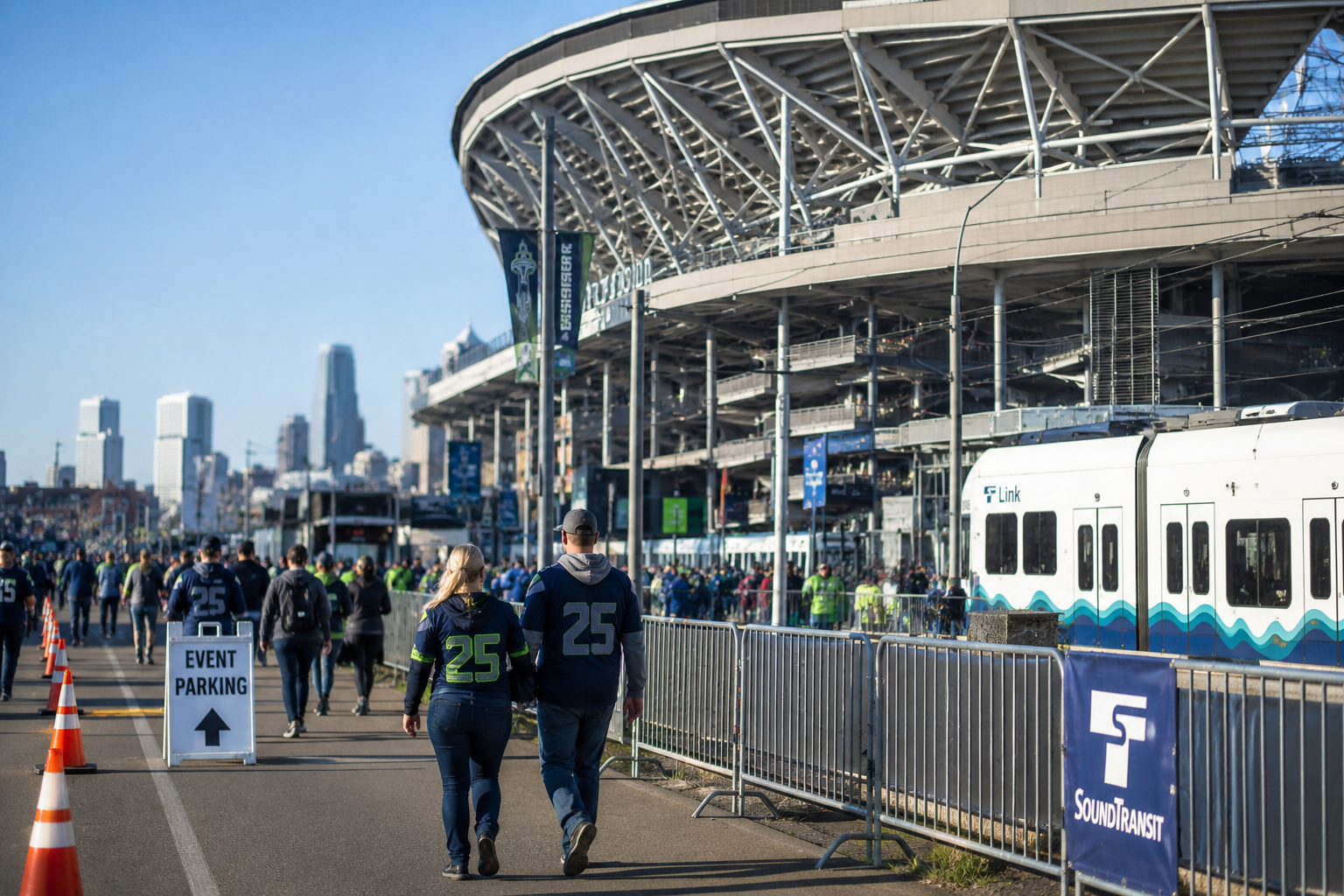
Major sports events are testing regional planning in host cities. Editorial illustration by TheDailyGlobe.
The Bay Area is getting a concentrated look at what modern sports hosting demands from a region.
The Associated Press reported that the Bay Area hosted the NBA All-Star Game, the Super Bowl, and World Cup events within a 16-month span. Levi’s Stadium is also hosting World Cup matches in 2026, putting one of the country’s most visible stadiums into another global spotlight.
That kind of calendar is not only about games. It is about moving crowds, preparing venues, coordinating transportation, guiding visitors, handling security, and making sure ordinary residents can still get around.
More Than A Stadium Story
Major sports events are often sold through the language of attention and celebration. But for people who live near the venues, the practical questions are usually simpler: How bad will traffic be? Will transit hold up? Where will visitors go before and after the event? What changes around the stadium?
The Bay Area’s run offers a useful case study because the events are close together. Each one uses some of the same regional systems, even if the audience, schedule, and event format differ.
World Cup Planning Adds Another Layer
FIFA has published Team Base Camp information and broader World Cup 2026 logistical context, showing how much planning happens before the first match is played. Base camps, training locations, travel routes, venue operations, and fan movement all become part of the tournament’s footprint.
For fans, that planning shapes the experience. For host regions, it can test whether airports, roads, transit agencies, hotels, public safety teams, and stadium operators are working from the same map.
What Is Still Unknown
The final crowd, traffic, and economic impact figures will not be known until after the events are complete. Local logistics can also change as match dates get closer, especially around transportation plans, security zones, and fan access.
For now, the confirmed picture is enough to make the broader point: hosting major sports events is not a single weekend assignment anymore. For regions like the Bay Area, it can become a long planning cycle that affects venues, cities, fans, workers, and residents well beyond kickoff or tipoff.
Reporting note: Reporting draws on Associated Press sports reporting, FIFA tournament materials, World Cup logistical context, and reviewed sports background materials. This article was produced with AI-assisted research and reviewed by an editor before publication.