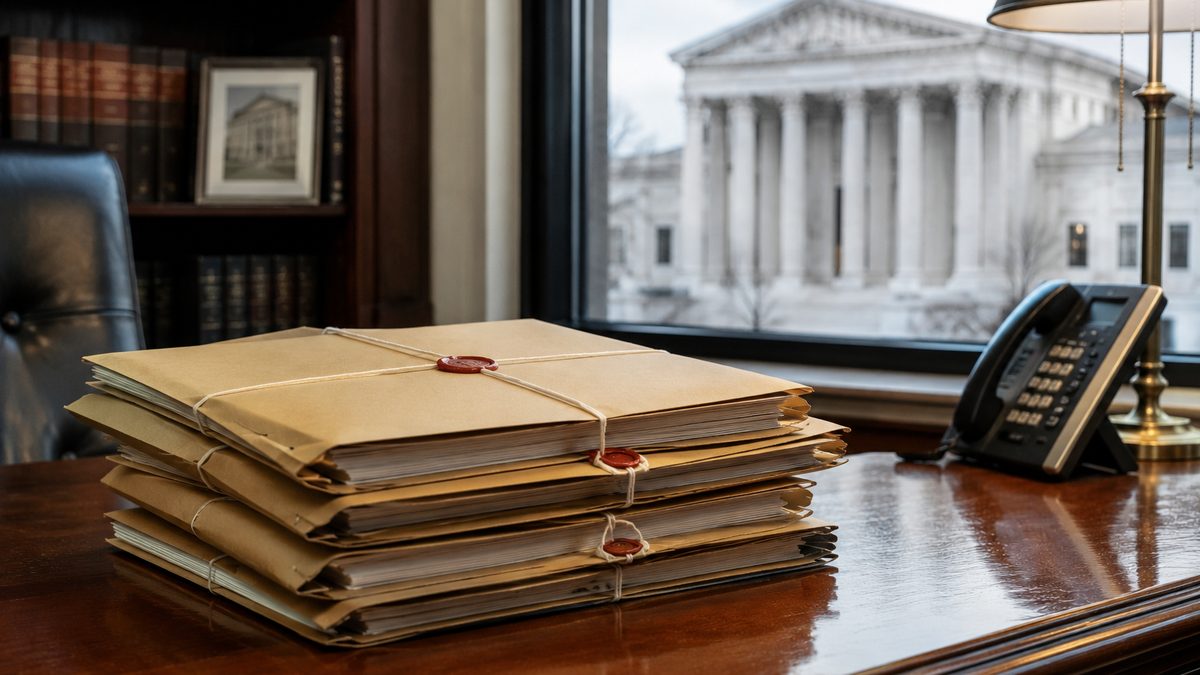
Federal Judges Reject DOJ Push for State Voter-Roll Data
Rulings in Maine and Wisconsin leave a legal boundary in place for now between federal election oversight and state-held voter data.
Save Article
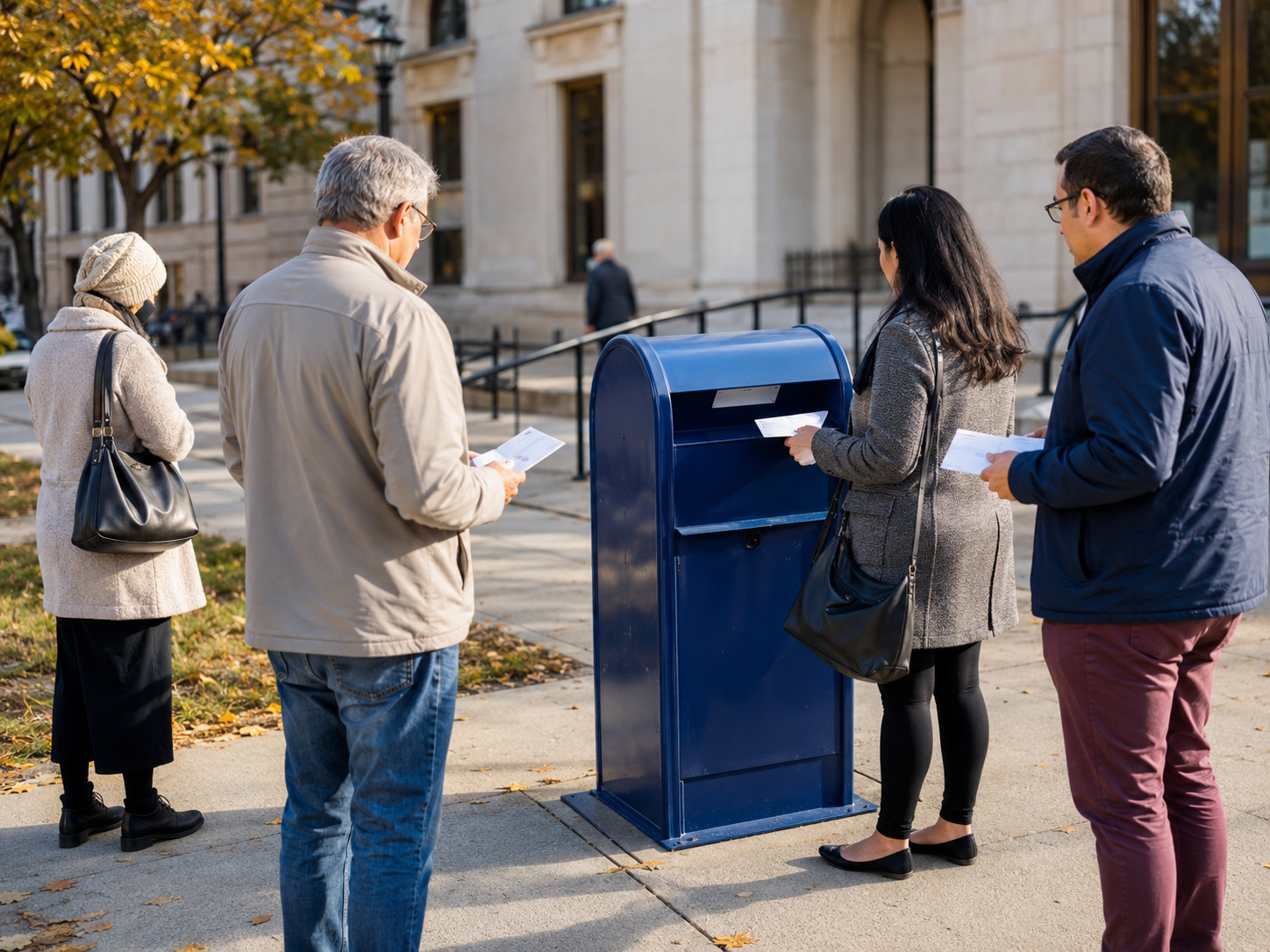
Federal judges in Maine and Wisconsin dismissed DOJ lawsuits seeking voter-roll data, leaving questions about appeals and future cases.. Editorial illustration by TheDailyGlobe.
Key Facts
- Federal judges in Maine and Wisconsin dismissed DOJ lawsuits seeking access to detailed voter-registration data.
- The lawsuits sought voter-roll information from the states.
- AP reported that similar DOJ efforts had been rejected in other states.
- State officials and voting-rights groups raised concerns about voter privacy and federal overreach.
- DOJ had not indicated in the AP report whether it would appeal the Maine or Wisconsin rulings.
Federal judges in Maine and Wisconsin dismissed Justice Department lawsuits seeking detailed voter-registration information from the states, handing the administration another setback in its effort to obtain state voter-roll data.
The Associated Press reported that the rulings rejected DOJ attempts to force the turnover of voter rolls. The lawsuits sought access to detailed voter registration information, while state officials and voting-rights groups raised concerns about voter privacy and federal overreach.
For readers, the case is not about how to register or vote. It is about who controls sensitive election records, how far federal oversight can reach, and what privacy protections apply when voter data is held by states but requested by the federal government.
What DOJ Sought
The Justice Department lawsuits sought access to detailed voter-registration information from Maine and Wisconsin. Voter rolls can include basic public election records, but they may also involve sensitive data depending on the state, the request, and the legal limits around disclosure.
The federal government argued that it had authority to seek the information as part of election-related oversight. The states resisted, and the disputes moved into federal court.
That legal fight matters because election administration in the United States is largely handled by states, while the federal government has authority to enforce certain voting-rights and election laws. The line between those roles is often where court fights begin.
What the Judges Decided
In Wisconsin, the judge rejected the Justice Department’s effort to compel access to the state’s voter-registration list under the legal theory the administration advanced. In Maine, the judge also dismissed the government’s attempt to force turnover of voter-roll information.
The rulings do not erase the federal government’s broader role in enforcing election laws. They do mean that, in these cases, the courts did not accept DOJ’s attempt to use federal authority to obtain the state-held voter data.
AP reported that the decisions were part of a wider pattern, with similar DOJ efforts rejected in other states. That gives the Maine and Wisconsin rulings a broader legal context, even though each lawsuit turns on its own record and arguments.
Why Voter-Roll Data Raises Privacy Questions
Voter-registration records are not ordinary paperwork. They sit at the intersection of election administration, public accountability, and personal privacy.
Some election information is public so voters, campaigns, researchers, journalists, and watchdog groups can understand how elections are administered. But detailed voter files can also include information that people reasonably expect to be handled carefully, especially when requests involve broad access to state databases.
That is why state officials and voting-rights groups objected. Their concern was not only whether DOJ had the right legal authority, but also whether turning over detailed voter data could expose personal information, chill voter participation, or shift control over state election records toward the federal government.
The Federal-State Boundary
The cases also raise a basic civic question: how much power should Washington have over state-managed election data?
States run voter registration systems and maintain voter rolls. The federal government can enforce national election laws, including protections against discrimination and rules tied to voter-list maintenance. But federal authority still has limits, and courts decide whether a specific request fits within those limits.
The Maine and Wisconsin dismissals suggest that judges were not persuaded by the government’s arguments in those cases. They do not settle every future dispute, but they mark another point where courts have pushed back on broad DOJ attempts to obtain voter-roll data.
What Remains Unclear
The first open question is whether DOJ will appeal the Maine or Wisconsin rulings. AP reported that the department had not indicated whether it would do so.
The second question is whether similar lawsuits will continue in other states. If the administration keeps pursuing voter-roll data, courts may continue to shape the limits of federal access one case at a time.
For now, the practical result is clear: Maine and Wisconsin do not have to turn over the voter-roll data sought in these lawsuits. The larger fight over federal oversight, state election authority, and voter privacy is not finished.
Reporting note: Reporting draws on court-focused wire reporting, litigation tracking, election-record background materials, and reviewed legal context. This article was produced with AI-assisted research and reviewed by an editor before publication.